
The Comfort of Soup: Food Rituals That Hold a Family Together
Soup is rarely just dinner. In many families it is medicine, memory, apology, and welcome in one steaming bowl.
When words are hard, soup often says what we mean. Here is how food rituals become emotional anchors for children.
Yumi Sato writes about gentle home life, food rituals, and the slower pleasures of raising a family without performing perfection.
Why soup carries emotion
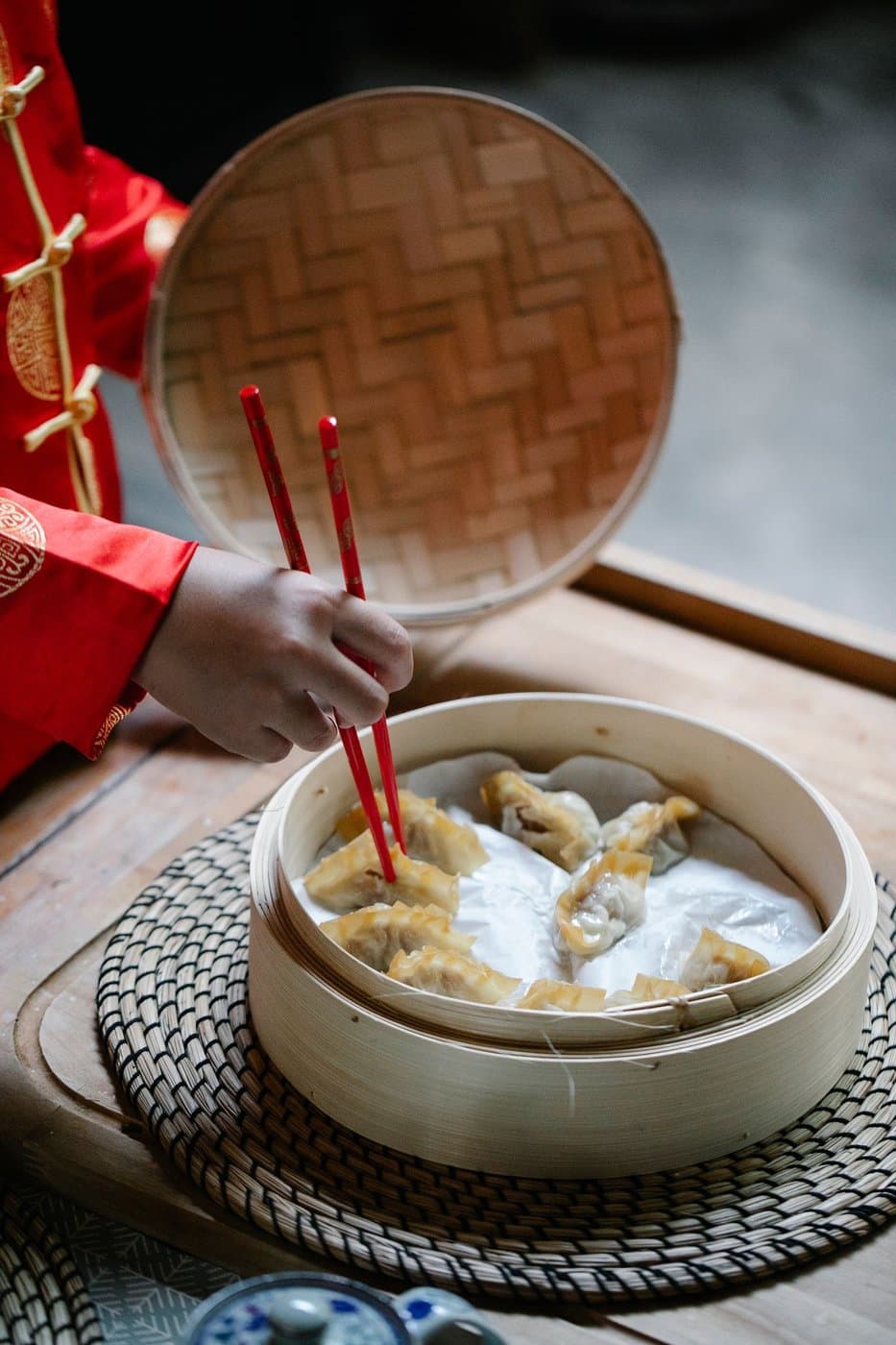
In Japanese homes, miso soup at breakfast can mean steadiness. In Korean families, seaweed soup may mark birthdays and postpartum care. In Filipino households, sinigang can reset a humid day. In Chinese families, a slow broth may mean someone is sick and therefore loved loudly.
Children may not remember every conversation at the table, but they remember who ladled soup when they had a fever. They remember the sound of the pot on the stove when they came home crying from school.
Food rituals work because they repeat. Repetition becomes safety. Safety becomes identity.
Keep ingredients for one emergency soup stocked even if you usually order delivery. Affluent convenience is a tool; abandoning every slow ritual is a loss you may feel later in the parenting years.
Soup as repair after hard days
Families fight. Parents miss cues. Kids slam doors. Soup is often how adults reopen connection without forcing a big talk. "I made you noodles" can mean "I am still here" in a language softer than apology.
You do not need to cook for hours to achieve that. A quick broth with greens, tofu, beaten egg, or leftover rice can still signal care. The message is the ritual, not the complexity.
If you grew up with someone who only showed love through food, you may be reproducing that pattern now. That can be beautiful. Just notice whether you also use words. Kids need both.
Teaching children through the pot
Invite kids to wash vegetables, stir gently, taste for salt, and watch steam rise. These are lessons in patience and attention. They also pass on heritage without a workbook.
Tell short stories while you cook. Who taught you. What the ingredient is called in another language. Why your family eats it when seasons change. Stories stick when hands are busy.
If your child is not interested, let them pass bowls or choose toppings. Participation can be small and still count.
Seasonal and life-stage rituals
Some soups belong to seasons: cold weather bone broth, summer sour soups, holiday dumpling soup. Marking seasons teaches children that time in a family has texture.
Life-stage rituals matter too. Postpartum soups. Birthday noodles. Exam-week gentle meals. Moving-day quick broth in a new kitchen. These anchors help children feel that transitions are witnessed.
You can invent rituals if old ones were lost in immigration or family distance. New rituals become real when you repeat them with sincerity.
When soup is not enough
Food rituals are supportive, not substitutes for medical care, therapy, or school intervention when those are needed. If your child is struggling with anxiety, bullying, or depression, soup plus professional help is a wise combination.
Also notice if food is your only tool for emotion. Children should learn that hard feelings can be named, not only fed. "I made soup and I am here to listen" is stronger than either alone.
If you did not grow up with comforting food, you can start now. You are allowed to build new warmth.
Keeping rituals alive in busy seasons
Busy seasons will come. New babies, job changes, grief, moves. Let rituals shrink rather than vanish. A boxed miso is still a ritual if you serve it in the same bowl with the same sentence.
Freeze portions when you can. Share soup with a neighbor or grandparent. Teach your teenager to make one pot before leaving for college.
Comfort food is not nostalgia for adults only. It is infrastructure for children. A bowl of soup can say, this family has a way back to each other. That is worth keeping on the stove.
When you cannot cook, ordering soup from a trusted restaurant and eating it from your own bowls still counts. Ritual lives in the gathering, not only the stove.
Soup across generations and distance
If grandparents live far away, video calls during soup night keep them in the ritual. Let them watch your child taste a recipe they once made. Send photos of the pot. Ask for one tip, not a full lecture.
When a grandparent dies, soup can become memorial. Making their recipe on certain dates tells children that love continues in flavor and practice. Grief needs tangible anchors.
Children who grow up with food rituals often recreate them in dorm kitchens and first apartments. You are giving them a portable sense of home that does not depend on square footage or perfect attendance at holiday dinners.
Soup when words are not enough
After a hard loss, a friendship rupture, or a scary news day, soup can open conversation without forcing it. Sit together. Eat. Let silence be gentle.
Teens especially may talk mid-bowl when eye contact is indirect. Do not rush the debrief. The ritual creates the opening.
Your child will remember who fed them when life felt sharp. That memory becomes trust they carry into adulthood.
Documenting family recipes simply
Write recipes in plain language on index cards: what grandma actually did, not what a blog demands. Three steps is enough.
Let kids illustrate the cards. Laminate one for the kitchen drawer.
Ritual survives when it is easy to repeat, not only when it is impressive to guests.
Record a short video of an elder making one soup if they are willing. Voices matter as much as measurements.
When recipes live in drawers and phones, not only memory, children inherit culture with fewer points of failure.
Soup for celebrations too
Do not save soup only for sadness. Mark good news with noodle soup, birthday miso, or festive dumpling soup.
Celebration rituals teach kids that culture holds joy as well as repair.
Balance prevents soup from becoming associated only with crisis.
Neighbors, friends, and chosen family
Soup travels well in containers. Share with a neighbor recovering from surgery or a friend post-breakup.
Children who watch you feed others learn generosity as cultural practice.
Ritual expands beyond the nuclear family. That expansion is especially important when grandparents live far away.
Soup when travel and ambition pull you away
Consultants, founders, and physicians in diaspora families often miss the soups they grew up with while living out of hotels. Freeze portions before travel seasons. Teach your partner or caregiver the one broth that signals home when you are on a plane.
Video calls where you sip the same soup across time zones sound sentimental until your toddler calms down mid-bowl. Ritual travels if you plan for it.
When relatives say soup is "just food," remember it is also regulation: warm, predictable, forgiving on days when achievement culture has shredded everyone's nerves.
One pot repeated becomes legacy
Keep one soup ritual alive this season. That is enough to start.
Rituals grow from repetition, not grandeur. A humble pot repeated becomes legacy.
Instant pots and modern tools
Modern tools can keep old rituals alive. Pressure cookers and instant pots make bone broth feasible on weeknights.
Tradition adapts to appliances without losing meaning.
Tell your child which tool grandma did not have and which flavor you are still chasing. That contrast is interesting, not contradictory.
Soup and sickness boundaries
When your child is sick, soup is perfect. Know when symptoms need a doctor, not only broth.
Ritual care plus medical care are partners.
Trust your instincts when illness looks unusual even if soup usually fixes ordinary colds.
Broth cubes and honest shortcuts
Homemade broth is lovely. Good bouillon or frozen broth cubes are also fine on frantic weeks.
Do not let idealized tradition stop you from making soup at all.
Your child will remember steam and presence more than whether bones simmered for twelve hours.
Teaching spice adjustment
Let kids adjust salt, acid, and spice at the table when age appropriate. Soup is forgiving and educational.
Taste learning is cultural learning.
They become cooks, not only consumers, which builds lifelong connection to food.
Freezing soup as future kindness
Double recipes sometimes and freeze portions labeled with dates. Future-you will thank present-you on sick nights.
Frozen soup is not lesser love. It is planned love.
Teach teens to thaw and heat safely. That skill travels to college.
Ladle passing as small ceremony
In some families, the oldest child ladles first for others before themselves. Tiny ceremonies teach order, care, and patience.
You can invent a simple version: youngest sets spoons, oldest ladles, parents taste for salt.
Ceremony turns dinner into belonging without requiring a special holiday.