
Relationships & Family Dynamics
Parenting-adjacent relationships deserve attention too.
Parenting-adjacent relationships deserve attention too. Strong partnerships and clear boundaries with extended family make parenting more sustainable. Many couples find that in-laws, division of labor, and intercultural differences intensify after kids arrive.
These guides offer emotionally intelligent starting points. They are not therapy and not legal advice. They are for the fights that happen at 11 p.m. when someone texts the group chat about your timeline, or when your partner says "that's just how my mom is" while you are still bleeding postpartum.
If you are also weighing fertility costs or elder care math, pair this hub with our IVF cost estimator and grandparent cost worksheet. Numbers do not fix feelings, but they clarify what "help" actually costs. Related: IVF cost estimator · Dad Field Notes · Family Benchmarks · Grandparent cost worksheet

Why diaspora couples search this at midnight
The stress is rarely just "communication." It is often two loyalty systems colliding: filial duty versus nuclear family, shame versus directness, and relatives who funded your education now feel entitled to your parenting choices. Our franchises name those third parties explicitly so you and your partner can stay on the same team.
When the conflict is not between you two
Many relationship guides assume the problem is inside the marriage. In multigenerational diaspora families, the loudest voice is sometimes a parent who expects access, a sibling who compares milestones, or a culture that treats obedience as love. The Third Person in the Room series is built for that geometry.
Start with guides on when your partner will not stand up to their parents, or when in-laws expect to move in after the baby. Dad Field Notes covers the mirror image: sons who are expected to mediate without ever being asked what their partner needs.
If you are still dating or hiding a relationship from family, start with our Early Dating & Marriage Pressure series before the wedding guest list fights begin.
Sandwich generation without the hero narrative
Caring for young children and aging parents at once is not a badge. It is a scheduling and guilt problem. Benchmark pages on arranged-marriage expectations and premarital counseling across cultures help couples align before the pressure spikes, not after someone has already bought a one-way ticket.
Before the next family visit
- Can we name the third person in the room without blaming our partner's entire culture?
- Do we agree on who handles their parents versus mine before a crisis?
- Have we run real numbers if "free" grandparent childcare is on the table?
- Do we know when to stop reading internet advice and call a licensed therapist?
Signature series
Ongoing franchises, not one-off categories, for the relationship stressors diaspora couples actually search at midnight.
Series hub
Before You Sign the Contract
Money, filial duty, wedding lists, and living together before the wedding
Premarital talks diaspora couples postpone: debts, remittances, elder expectations, cohabitation shame, guest-list caps, wedding budgets, in-law takeover, counseling evidence, and partners who refuse therapy.
Series hub
Early Dating & Marriage Pressure
The searches you do before anyone moves in
Marriage timeline pressure, arranged introductions, living at home until marriage, secret relationships, delayed family introductions, interfaith dating, meeting parents at the wrong time, job disapproval, and long-distance across time zones.
Series hub
After the Wedding Bells
Debt, regret, and the first trips you owe everyone
First-year marriage with wedding debt, guest-count regret, and honeymoon pressure versus family obligation travel before kids rewrite the calendar.
Series hub
The Third Person in the Room
When culture and in-laws sit between you two
Extended family is not always wrong—but when parents, filial duty, or group-chat guilt become the default tiebreaker in your marriage, someone else is in the room. These guides help couples stay aligned.
Series hub
Before the Baby Changes the Contract
Timing, fertility pressure, and family calendars
Grandparent timeline pressure, IVF stigma, miscarriage and family calendars, visa timing, and second-baby pressure before kids amplify every unspoken agreement.
Series hub
Sandwich generation
Parents who need you while you raise kids
Remittances, elder care across time zones, estate talk when parents live abroad, sibling fairness, and the partner conversation when both generations pull at once.
Partner series
Dad Field Notes
Practical fatherhood, not the maternal default
Postpartum usefulness, emotional presence, and leading your side of the family when culture expects sons to mediate.
Start here

Dating when parents keep asking when you will marry
What to say when relatives ask "still single?" at every dinner, how U.S. median marriage ages compare to auntie timelines, and how to date without letting shame run the calendar.
Anjali Mehta

Fighting about wedding costs
Benchmarks, who-pays scripts, and boundary plans when diaspora families expect a big wedding, parents offer money with strings, or you are drowning in vendor deposits.
Anjali Mehta

Living with in-laws under one roof
How diaspora couples survive multigenerational housing—rent, childcare, kitchen control, and the partner conversation when parents move in "just for a few months."
Mina Han

When your partner won't stand up to their parents
You need a united front with in-laws, but your partner goes quiet every time their parents push. How to respond without turning marriage into a battlefield.
Anjali Mehta

Marriage before kids
Questions that help you align on values, division of labor, family involvement, and identity before the stakes feel higher and the sleep feels lower.
Anjali Mehta
In-law boundaries after baby
When elders want to help and you need boundaries, a practical guide to aligning with your partner and finding balance between gratitude and autonomy.
Anjali Mehta
All relationship guides
Dating When Parents Keep Asking When You Will Marry
What to say when relatives ask "still single?" at every dinner, how U.S. median marriage ages compare to auntie timelines, and how to date without letting shame run the calendar.
Anjali Mehta
Fighting About Wedding Costs (When the Spreadsheet Becomes the Third Partner)
Benchmarks, who-pays scripts, and boundary plans when diaspora families expect a big wedding, parents offer money with strings, or you are drowning in vendor deposits.
Anjali Mehta
Living With In-Laws Under One Roof
How diaspora couples survive multigenerational housing—rent, childcare, kitchen control, and the partner conversation when parents move in "just for a few months."
Mina Han
When your partner won't stand up to their parents
You need a united front with in-laws, but your partner goes quiet every time their parents push. How to respond without turning marriage into a battlefield.
Anjali Mehta
Marriage before kids
Questions that help you align on values, division of labor, family involvement, and identity before the stakes feel higher and the sleep feels lower.
Anjali Mehta
In-law boundaries after baby
When elders want to help and you need boundaries, a practical guide to aligning with your partner and finding balance between gratitude and autonomy.
Anjali Mehta

Long-Distance Dating Across Time Zones (Visas, Visits, and Family Guilt)
How diaspora couples survive long-distance dating across countries and time zones: visit budgets, WhatsApp fatigue, when to move, and parents who ask why you are "wasting time."
Anjali Mehta

When Parents Disapprove of Your Partner's Job (Or Yours)
Scripts for when Asian parents judge a partner's career, income, or prestige, and when your job makes their family treat you as not good enough for marriage.
Anjali Mehta
Meeting Parents Too Early vs Too Late (When Relatives Push the Timeline)
How diaspora couples decide when to introduce partners to parents, what goes wrong when you meet too soon or hide too long, and scripts when relatives treat the first dinner as an engagement audition.
Anjali Mehta

Dating Someone From a Different Religion: The First Six Months
Muslim, Hindu, Christian, Jewish, Buddhist, or secular plus diaspora faith: what to discuss in months 1–6 before family, holidays, and "what about the kids?" become fights.
Anjali Mehta

Hiding Your Relationship From Family (And When Secrecy Stops Working)
Why diaspora couples keep relationships secret, how long hiding usually lasts, and scripts for telling parents about a boyfriend, girlfriend, or fiancé they have not met yet.
Anjali Mehta

When They Won't Introduce You to Their Family
What to do when your partner integrates you with friends and daily life but still keeps parents closed: how to tell protection from avoidance, scripts that ask without an ultimatum, and diaspora context for delayed introductions.
Anjali Mehta

Premarital Money Talk: Debts, Remittances, and the Spreadsheet You Keep Postponing
How engaged and soon-to-be-married diaspora couples discuss student loans, credit card debt, remittances abroad, and who pays for parents without turning the talk into a shame spiral.
Anjali Mehta

The Premarital Filial Piety Talk (Before Parents Expect a Key)
Questions engaged couples should answer about elder care, living with parents, remittances, and boundaries before marriage, while filial duty still feels abstract enough to plan.
Anjali Mehta
Living Together Before Marriage When Your Family Would Be Ashamed
How diaspora couples navigate cohabitation, secrecy, religious shame, and the practical reasons to live together before engagement without losing family relationships entirely. Scripts, lease exit plans, and partner alignment included.
Anjali Mehta
When Your Partner Refuses Premarital Counseling
What to do when fiancé or partner won't go to therapy: stigma scripts, compromise formats, trial sessions, and when refusal is a red flag versus cultural shame.
Anjali Mehta

Finding a Couples Therapist Who Gets Culture (Not Just "Diversity Training")
Directories, intake questions, red flags, and utilization data for Asian and multicultural couples seeking premarital or couples therapy without wasting sessions on misfit clinicians.
Anjali Mehta

Premarital Counseling Across Cultures: What Works, What It Costs, What to Ask
Evidence-based guide to premarital counseling for bicultural couples: program types, effect sizes from meta-analyses, session counts, costs, and diaspora topics money alone will not cover.
Anjali Mehta

Fighting About the Wedding Guest List (When Every Cousin Is "Mandatory")
How diaspora couples split guest lists between families, cap headcount without losing face, and stop parents from adding names after you said no.
Anjali Mehta

When In-Laws Plan the Wedding Without You
How to respond when future in-laws book venues, invite relatives, or treat your wedding as their event, with partner scripts and boundary plans that protect the marriage.
Anjali Mehta

First Year of Marriage When You Are Still Paying for the Wedding
How diaspora couples pay down wedding debt, fight about money in year one, and stack remittances on top without letting shame become the third spouse.
Anjali Mehta
When You Regret How Big the Wedding Was
Guest-count regret, diaspora shame about "small" weddings, and how couples grieve the party they threw versus the marriage they wanted.
Anjali Mehta

Honeymoon vs Family Obligation Travel (When Everyone Has a Claim on Your First Trips)
How newlywed diaspora couples choose between honeymoon, visiting parents abroad, and obligation travel without letting guilt plan the calendar.
Anjali Mehta

How to Set Boundaries With Grandparents
Scripts and frameworks for diaspora families setting visit limits, childcare rules, and pushback on advice—from drop-ins and weight comments to in-laws who help daily.
Mina Han
Filial Piety and Boundaries in a Modern Family
Honoring parents and protecting your own household can feel like opposite commands. Here is how some families hold both without living in permanent guilt.
Mina Han
How to Say No to In-Laws Without Starting a War
Declining an in-law's offer or opinion can feel dangerous. Clear scripts and strategies for peace where possible, distance where necessary.
Anjali Mehta
Meeting Your Partner's Asian Parents for the First Time
How cross-cultural and mixed couples prepare for the first meeting with Asian parents—gifts, tone, hard questions, and when to leave early.
Anjali Mehta
How to Accept Help Without Handing Over Your Household
Grandparents want to help. You need the help. You also need your routines, rules, and voice at home. Here is how to take support without losing the wheel.
Mina Han

Intercultural partnership
Helping children feel whole across cultures, skin tones, languages, and family backgrounds without treating identity like a checklist to finish by age ten.
Leah Chen

Planning for Kids When Your Parents Also Need Support
The emotional and logistical reality of supporting aging parents while raising young children, without treating guilt as your only guide.
Priya Raman

Sending Money Home While Your Kid Needs Things Too
Wire transfers, elder care abroad, and the guilt of buying your child shoes when relatives call you wasteful, with Pew remittance data, burden research, partner scripts, and a household budget you can defend.
Anjali Mehta

Supporting Aging Parents Financially Without Resentment
How affluent adult children send money home, pay for care, and set limits that protect their marriage and children too.
Arjun Patel

Estate Planning When Your Parents Live Abroad
Cross-border families need more than a will template. Here is how diaspora adult children start conversations about care, assets, and paperwork across countries.
Priya Raman
Caring for Aging Parents When You Live in Different Countries
How diaspora adult children manage aging parents abroad: sibling roles, remittances, emergency trips, hiring local help, and guilt that outruns the plane ticket.
Mina Han
When Parents Help Financially and Expect a Vote
Family money can ease pressure and create strings you never agreed to. How to accept help, set terms, and keep decision-making in your home.
Priya Raman

Navigating Arranged Marriage Expectations in Modern Families
Semi-arranged introductions, parent-led search, and saying no without burning the house down when family expects an arranged match. A practical guide for diaspora adults who want veto power, clear timelines, and respect for elders without surrendering the choice of a spouse.
Anjali Mehta

Expected to Live at Home Until Marriage (Adult Child, Family Pressure)
"Good daughters don't move out" and rent money is "wasted": when diaspora families expect adult children to stay until marriage, with scripts, money talk, privacy rules, and exit plans that do not require a wedding date.
Mina Han

Teen Dating When Your Family Has Strong Opinions
How diaspora parents navigate crushes, boundaries, and family expectations about dating, from "no dating until medical school" to interfaith and interracial pressure, without driving honesty underground.
Anjali Mehta
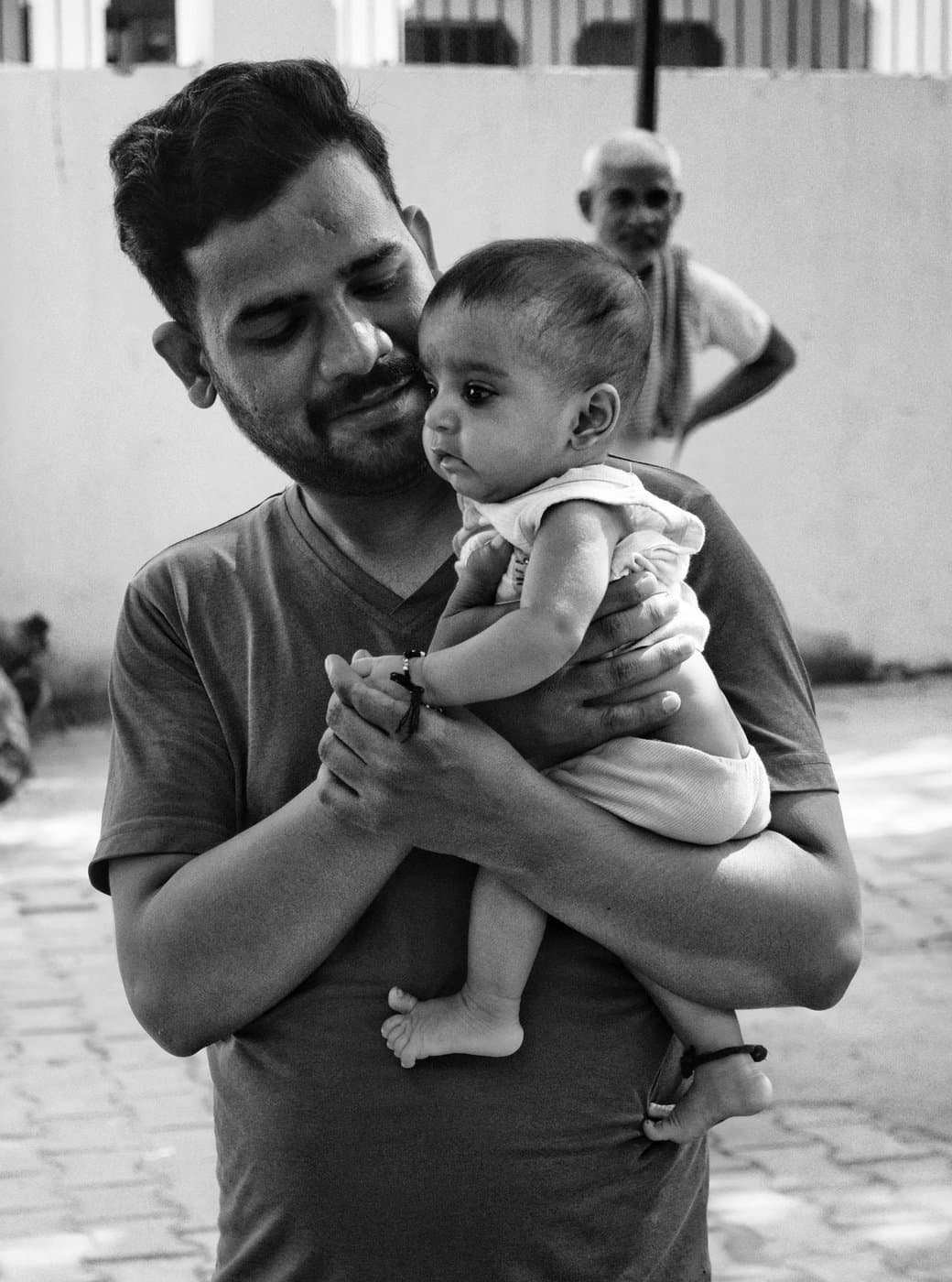
Division of labor after baby
Postpartum is not a vacation for one parent and a project for the other. Concrete ways fathers can be genuinely useful when the house is running on fumes, from night shifts and visitor gatekeeping to inventory, appointments, and emotional support without scorekeeping or performative heroics.
Daniel Park