
When Your Child Is the Only Asian Kid in Class
Your child may love their class and still feel alone in small ways you cannot see from the lunch table. That loneliness deserves a response, not minimization.
When your child is the only Asian kid in the room, the school day can hold pride and fatigue at the same time. You can help them feel seen.
Mina Han writes about family life, school years, and the emotional weather of raising kids between cultures.
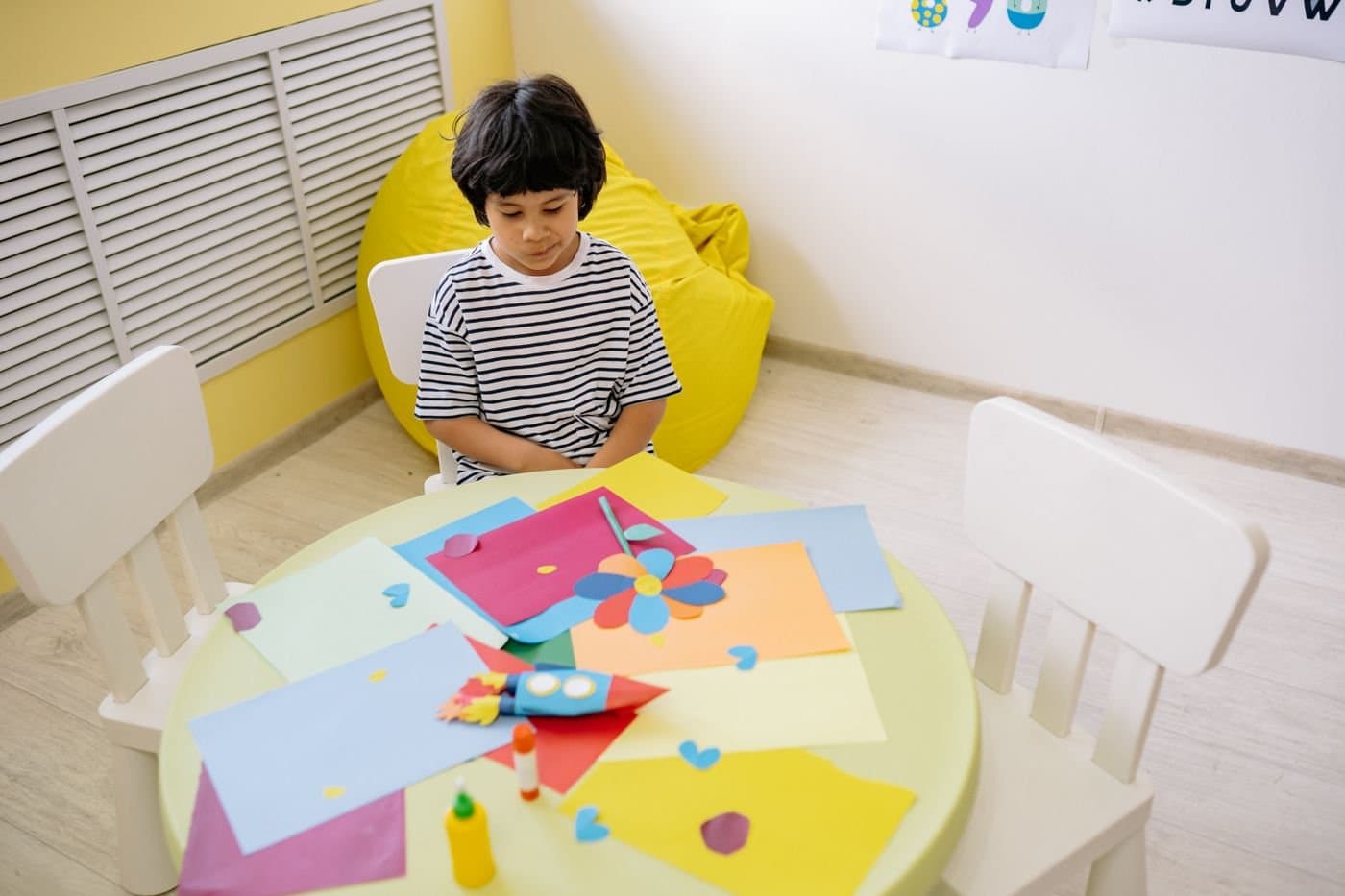
What "only" can feel like
Being the only Asian kid in class does not always mean your child is miserable. They may have close friends, kind teachers, and a good year overall. It can still mean they are the one asked where they are really from, the one whose lunch looks different, the one who gets stared at during Lunar New Year presentations.
Some kids shrug it off publicly and unravel privately. Others become the class diplomat, explaining their culture with a patience no child should have to practice daily. Some feel proud to represent. Some feel tired of representing.
All of these responses are human. Your job is not to pick the right feeling. It is to stay curious about what your child's school day actually contains.
Listen before you reassure
Many parents jump quickly to comfort. "You are just as American as anyone." "Ignore them." "Be proud of your heritage." Those sentences can be true and still miss what your child is trying to tell you.
Try listening for the smaller details. Who sits with them at lunch? Did someone imitate an accent? Did a teacher mispronounce their name again? Did they laugh along with a joke because challenging it felt unsafe?
When you reflect back what you hear, your child learns that their experience is real. "That sounds lonely." "You should not have had to explain your lunch." "I am glad you told me." Reassurance lands better after belief.
Building mirrors beyond the classroom
Kids need to see themselves in more than one place. That might mean weekend language school, even if attendance is imperfect. It might mean a sports league, church, temple, or community center where Asian families gather. It might mean books, shows, and social media that reflect their face without making them the lesson.
If you live far from community, get creative. Video calls with cousins, online cultural classes, and intentional friendships with other Asian families can still reduce the feeling of being an exhibit.
You cannot replicate a full community overnight. You can keep adding small mirrors so school is not the only story your child tells about themselves.
Helping kids respond to comments and curiosity
Role-play short responses before the moment arrives. "I was born here." "My family is from Korea." "Please do not touch my hair." "That is not funny to me." Confidence grows with practice, not lectures.
Also give your child permission not to educate everyone. They can say, "I do not want to talk about that," and walk away. Being Asian does not make them the class spokesperson.
Talk about when to involve an adult. If something is repeated, humiliating, or physical, school staff need to know. You are not overreacting by emailing a teacher. You are parenting.
Working with teachers and schools
Good teachers welcome information. Early in the year, you might share how to pronounce your child's name, holidays your family observes, and any concerns about bullying. Frame it as partnership, not accusation.
Ask whether the curriculum includes Asian histories and stories beyond wartime units or token holidays. Representation in lessons helps every child, not only yours.
If a school responds dismissively to racist incidents, document what happened and escalate calmly. Your child is watching how you advocate. That lesson stays with them.
Holding pride without pressure
You may hope your child carries heritage with pride. Pride grows best when it is chosen, not performed under stress. Celebrate culture at home with food, stories, and rituals that feel warm rather than like homework.
Let your child have mixed feelings. They can love their class and still wish someone else looked like them. They can love being Korean and hate being stared at during show-and-tell.
Your steady presence turns "only" from a silent burden into something they can talk about. That alone changes the weight.
If your child invents nicknames or shortens their name at school, do not treat it as betrayal. Ask what it feels like to carry a long name in a loud classroom. Support pronunciation with teachers while letting your child lead how they introduce themselves socially.
Summer, transitions, and new classrooms
Every new school year resets the social map. A child who felt okay in June may feel exposed again in September. Check in extra during transitions. Ask whether anyone new joined class, whether group projects feel fair, whether recess changed.
Summer programs can either reduce isolation or intensify it. If your child is often the only Asian kid at camp too, build in recovery time at home with people who do not make them explain themselves.
Document the good years too, not only the hard ones. Some seasons are easier because of one kind friend or one attentive teacher. Those details help you advocate and remind your child that difficulty is not permanent.
Books, media, and the stories you add at home
School may not show many Asian characters in everyday roles. Fill your home library with stories where Asian kids are protagonists, not only history lessons. Include joy, mystery, sports, and ordinary friendship arcs.
Watch what your child watches. Ask who looks like them and who does not. Co-view when you can and comment lightly. "I like how she solved that." "That joke would not fly in our house."
Media cannot replace community, but it gives language for feelings kids cannot yet name. A child who has seen themselves in stories walks into class with a little more inner backup.
Partnering with other parents of color
If there are other families of color in the district, even in other grades, build loose connections. Shared playdates reduce the sense that your child is alone in navigating difference.
You do not need a formal group. One trusted parent who texts back when something happens at school is valuable.
Solidarity does not fix racism. It reduces isolation, which helps kids stay confident enough to report problems and ask for help.
School staff may listen differently when more than one family names the same pattern. If you feel safe, coordinate concerns with other parents of color without putting children on the front line.
Your child should know that being the only Asian kid in class is a common American experience, not a personal flaw. That truth alone can lower shame.
Nighttime worries and quiet check-ins
At bedtime, kids sometimes admit what lunch hid. Keep one gentle question in your routine: "Did anyone make you feel small today?" Do not force an answer.
If they share, validate first. Action second. Children need to know the telling itself is safe.
Over months, these check-ins build a file in your mind about patterns. Patterns help you decide when to involve school staff and when to keep listening at home.
You are not alone in this worry
Many parents of only Asian kids carry quiet fear about whether school is shaping identity in harmful ways. That fear is valid. It also should not run your home like a siren every day.
Balance vigilance with ordinary joy. Not every awkward moment is trauma. Not every silence is fine either.
Trust your instincts when patterns repeat. Trust your child when they say they are okay after one odd comment. Parenting here is calibration, not catastrophe management.
Connect with other Asian parents online or locally when you can. Shared stories normalize the texture of this experience. You will hear shortcuts and warnings that no single article can cover.
Belonging starts at home
Your child's worth was never tied to how many kids share their background in a classroom. Keep returning to that truth in small ways, especially on hard weeks when the news or a school incident spikes your fear.
You are doing enough when you listen, mirror, advocate, and make home warm. That combination is not a consolation prize. It is the work.