
Postpartum Depression When Your Family Does Not Say the Words
You may have the degree, the partner, and the healthy baby everyone congratulated—and still feel panic, rage, or numbness your family has no vocabulary for.
Postpartum mood disorders are common and treatable. This guide helps you tell ordinary exhaustion from something that needs a doctor, find culturally aware care, and set visitor limits when "help" makes things worse.
Nadia Rahman writes about Muslim and South Asian family traditions, postpartum life, and finding community when your calendar looks different from your neighbors.
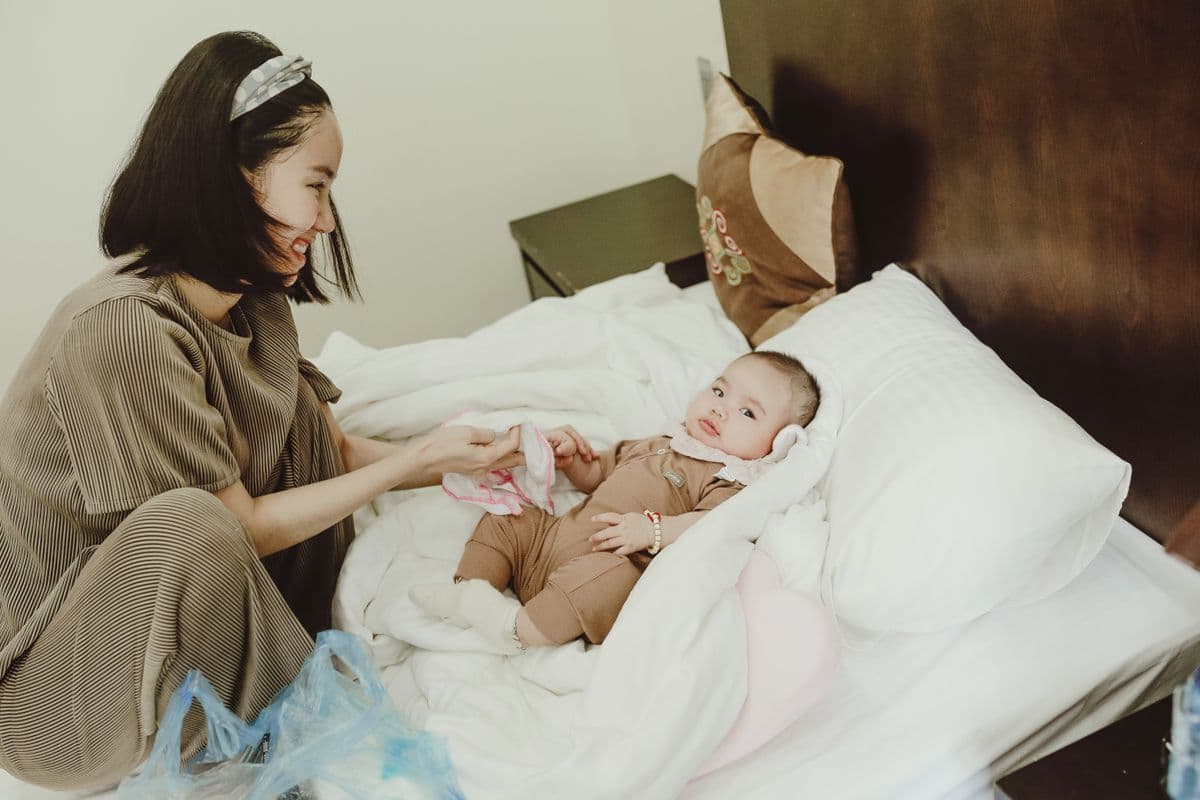
When the story says grateful and your body says drowning
In many Asian and Muslim households, birth is celebration first and honesty second. You may hear that your mother never complained, that strong women endure, that postpartum depression is a Western invention for people who lack faith or grit.
You may also be inside zuo yue zi–style confinement with rules about cold water and visitors, or fending off aunties who comment on breastfeeding, your weight, or whether the baby looks "weak." If you are the first woman in your family to take real parental leave—or to formula feed without hiding the can—every choice can feel like a public trial.
Feeling overwhelmed does not mean you failed gratitude. It often means hormones, sleep deprivation, identity shock, and too many opinions landed at once. Naming that is not an insult to relatives who suffered with less support. It is how you stay alive for your child.
Ordinary tired vs. something that needs treatment
New parent exhaustion usually eases with a nap, a meal, or someone holding the baby for an hour. Postpartum anxiety or depression often does not.
Watch for panic that will not stop, intrusive thoughts about harm, rage at your partner or baby, numbness when you expected bonding, inability to sleep even when the baby sleeps, or dread so heavy you hide in the bathroom. Fathers and non-birth partners get postpartum mood changes too—especially when culture tells them to stay stoic and "useful" instead of honest.
If symptoms last more than two weeks, worsen, or include thoughts of hurting yourself or the baby, treat that as urgent. You do not need to look like a tragedy to deserve the ER, a psychiatrist, or your OB's postpartum line. Postpartum Support International and hospital warm lines exist for exactly the moment you are afraid to say it out loud.
When visitors and "help" make it worse
Grandmothers who move in to cook may also criticize every nap schedule. Relatives who "just drop by" may ignore your need to rest topless or cry privately. Well-meaning advice about rice water, herbs, or prayer can stack on shame when you already feel broken.
You are allowed to reduce access while you stabilize. A group text: "We are limiting visitors for two weeks while we recover—please coordinate through [partner]." Our guide on postpartum help without everyone moving in has more on setting those limits without a family war.
If your partner will not enforce boundaries with their parents, that is a marriage conversation tonight—not after you collapse. You are not failing filial piety by protecting a healing body.
Finding care that fits your life
Look for OBs, psychiatrists, or therapists who understand immigrant family pressure, faith, and the model-minority myth that you should handle everything quietly. Ask intake questions: Have you treated postpartum patients from Asian or Muslim families? How do you involve partners?
Medication and therapy are both valid. So are peer groups at hospitals, mosques, temples, or diaspora parent spaces online. You do not owe relatives a medical debate. Share what you choose.
If insurance or privacy worries you, ask about EAP through work or telehealth. Affluent families sometimes pay out of pocket to avoid relatives seeing clinic paperwork. That is a legitimate choice.
Scripts for relatives who minimize
"I am getting medical support so I can take care of the baby." Full stop.
"I know you did not have this word. I still need a doctor."
"Comments about my strength make it harder to recover. Please ask how you can help with dishes instead."
Repeat calmly. You do not need to convert anyone to modern psychiatry in one conversation. You need space to heal.
If someone says postpartum struggle means you are a bad Muslim, Christian, Hindu, or daughter, you can say: "Faith and treatment can coexist. I am choosing both where I can."
Partners and fathers are part of this story
If you are the non-birth partner, watch for your own irritability, withdrawal, or dread—not only hers. Schedule pediatrician appointments, gatekeep visitors, handle relatives, and say no to your mother without making your spouse the villain.
Our guide for dads during postpartum focuses on concrete usefulness. Mental health support for you counts too. A father who breaks down quietly in the garage is also a parent who needs care.
If postpartum rage is aimed at you, do not escalate. Get help together. Safety plans matter for everyone in the house.
When nobody names what you are feeling
Is this just baby blues? Baby blues peak in the first two weeks and lift. If you are still drowning after that—or getting worse—tell your doctor.
Will medication mean I cannot breastfeed? Some medications are compatible with nursing. A knowledgeable prescriber can explain options. Fed and stable beats heroic suffering.
What if relatives tell everyone? You control disclosure. A short line—"I am getting postpartum support"—without details is enough.
Can I still love my baby if I feel numb? Yes. Numbness is a symptom, not a life sentence. Treatment helps many people feel connection return.
When should I call emergency services? If you fear you will harm yourself or the baby, or if your partner fears for your safety. That is not overreacting. That is protection.