
Which Holidays Do We Celebrate?
You cannot celebrate everything at full volume every year. You can choose with intention and teach your child that tradition is something you practice, not something that happens to you.
Holiday overlap is a common mixed-family puzzle. Here is how some families pick rituals that fit their energy, values, and both sides of the family tree.
Leah Chen writes about mixed families, bilingual homes, and helping kids feel whole across more than one story.
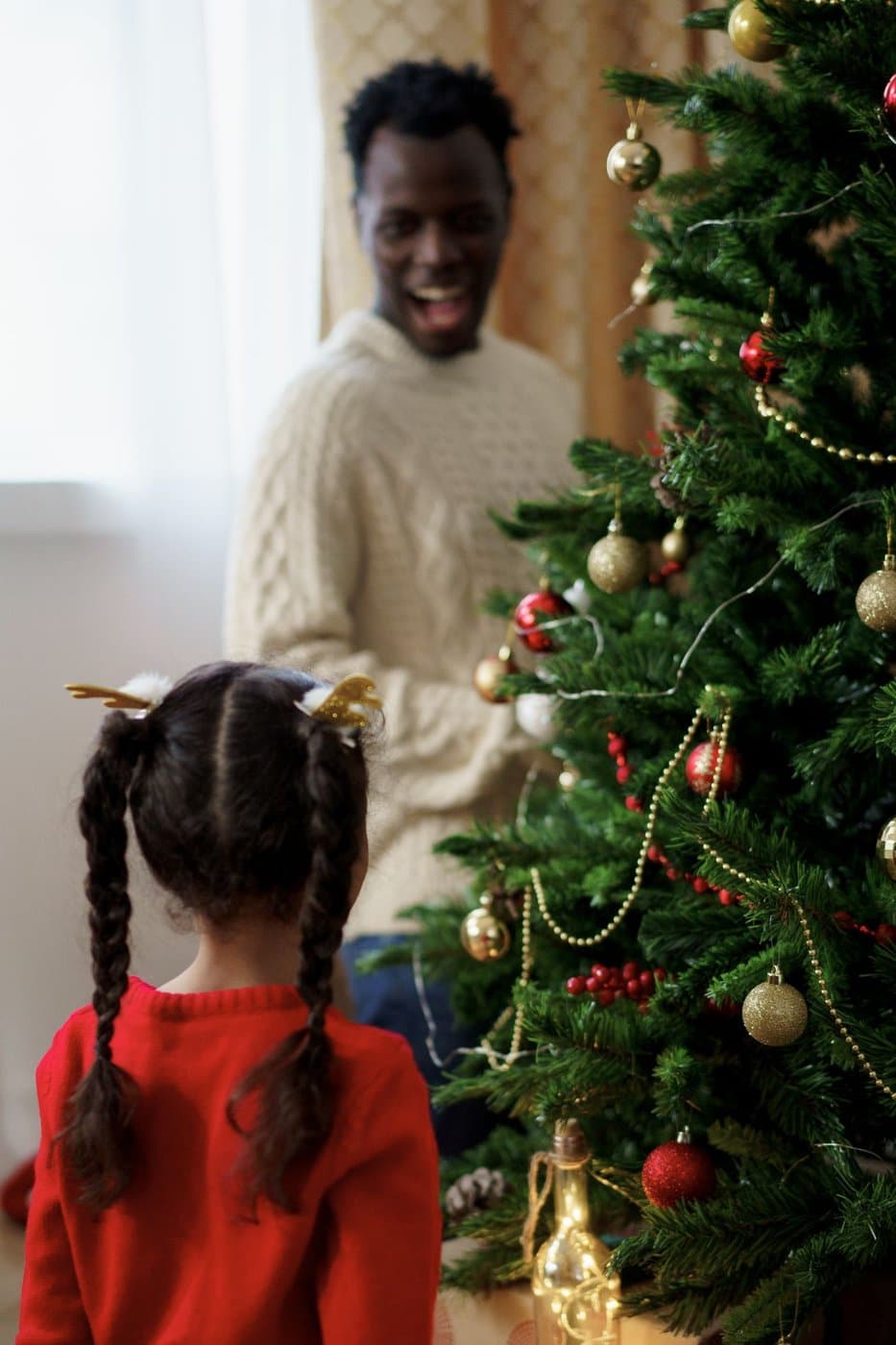
When the calendar feels like a loyalty test
Your mother expects you home for Lunar New Year. Your partner's parents assume Christmas Eve is non-negotiable. Cousins host Diwali dinners. School sends home Thanksgiving crafts. Work schedules none of it kindly.
Mixed and multicultural families often inherit overlapping obligations that each side treats as obvious. Missing one event can feel like choosing a parent over a partner, or choosing assimilation over heritage.
The goal is not to win every holiday. The goal is to build a rhythm your child can predict and your marriage can survive.
Celebration should not require martyrdom every December and every spring festival season. If you dread the calendar, it is time to edit.
Separate cultural, religious, and family holidays
Start by sorting the list. Cultural holidays tied to heritage. Religious holidays tied to faith practice. Family holidays that are really about showing up for specific people.
Some you will keep for meaning. Some you will keep for relationship maintenance. Some you will simplify to a phone call and a meal at home.
Couples with different faith backgrounds need explicit talk about what is sacred versus social. A white Christian partner may treat Christmas as central while an Asian Buddhist partner treats it as optional lights and gifts. Neither is wrong if you agree on home practice.
Write the sorted list together before telling relatives. Unity prevents last-minute betrayals in group chats.
The three-tier system many families use
Tier one: holidays you celebrate at home every year with your own rituals. Tier two: holidays you attend with extended family when travel and energy allow. Tier three: holidays you acknowledge lightly with a dish, a book, or a video call.
Rotate tier two events across years if travel is heavy. "We alternate Thanksgiving and Lunar New Year travel." Predictable rotation reduces annual fights.
Tell both sides the plan early. "This year we are home for Christmas and visiting for New Year." Early notice is respect even when the answer is no.
Kids benefit from predictability more than from maximum event count.
Creating home rituals that blend both sides
Home rituals do not require perfect authenticity. They require warmth and repetition. Dumplings on one night, cookies on another. A lantern craft and a tree. A prayer and a silly gift exchange.
Let children contribute ideas. Kids own traditions they help invent. "We always eat noodles before we open presents." Fine. Now it is yours.
Photograph and repeat. Memory lives in recurrence.
If you worry elders will call it fake, remember that all traditions were invented once. Yours count too.
Managing school and public holidays
American schools center Christian and secular national holidays by default. Asian holidays may be invisible or treated as optional extras. Advocate when you can: excused absences, food accommodations, inclusive calendars.
At home, mark holidays school skips. A simple breakfast ritual on Eid or Mid-Autumn Festival tells kids their calendar matters even when the classroom does not pause.
Partner education matters. The white partner can email teachers, bring cultural items, and show up at school events so labor does not always fall on the Asian partner.
When relatives guilt-trip your choices
"You never come anymore." "The child will forget who they are." Guilt is a common holiday currency.
Respond with warmth and clarity. "We miss you too. Here is when we can visit next." "We are teaching culture at home in these ways."
Do not over-apologize for protecting young children from overstimulating travel every single break. Early parenthood is a season.
If guilt becomes manipulation, shorten calls and repeat your plan. You are allowed to celebrate on your terms.
Teens and holiday renegotiation
Older kids may want friends over parties instead of multiday family travel. Renegotiate without taking it personally. Identity includes peer culture too.
Offer choices within bounds. "We visit one side this year. You pick which local friend event matters most."
Keep one home anchor ritual even when travel shrinks. Anchors stabilize change.
Reviewing the calendar annually
Every autumn, sit with your partner and review: What drained us? What delighted the kids? What do elders need to hear early?
Adjust tiers without shame. Family life changes with new babies, new jobs, new cities.
Which holidays you celebrate is not a permanent verdict on identity. It is a living plan.
Choose on purpose. Repeat with joy when you can. Rest when you must. That rhythm is its own tradition.
New babies and the first holiday season
The first year with a newborn often breaks old travel patterns. Relatives may expect you anyway. Decide early what protects recovery and bonding. "We are staying home this Eid and hosting a short open house instead." "We will video call for Christmas and visit in person for New Year."
Small children melt down on long travel days. That is not failure. It is biology. Elders who forget their own early parenthood may need gentle reminding that your yes this year protects everyone's enjoyment later.
If both sides pressure equally, present a united calendar before either side hears about the other's disappointment. Couples who appear divided become the battlefield. Couples who appear aligned shift pressure back to the calendar, not the marriage.
Budget and energy planning for holiday season
Travel, gifts, outfits, and hosting add up quickly. Decide a holiday budget with your partner before relatives suggest plans that assume unlimited funds.
Energy is a budget too. Introverted children and postpartum parents may need shorter visits even when everyone expects all-day gatherings.
Saying "We can do dinner but not the full weekend" protects the joy that remains.
Financial and emotional planning is part of honoring tradition, not rejecting it.
Teaching kids the why behind each celebration
Children cooperate better when they understand meaning, not only schedule. "We visit Grandma for New Year because family started there. We stay home for Christmas morning because that is our quiet day."
Let kids ask why a holiday matters. Answer simply. Invite them to help choose one new element each year.
Purpose turns obligation into participation.
In-laws who expect equal time every year
When both sides demand the same holiday annually, present a rotating plan written down. "We alternate Eid travel and Christmas travel. Here is this year's calendar."
Written plans reduce the story that you secretly favor one side. Share early.
Equal love does not require equal attendance every single year. It requires honesty and follow-through on what you promised.
Partner debrief after every major season
After Lunar New Year, Christmas, Eid, or Diwali season, spend twenty minutes with your partner: What worked? What hurt? What do we change next year?
Season debriefs prevent repeating the same argument annually.
Write one sentence of learning in a shared note. Future you will forget the details.
Single-faith and secular couples
Not every mixed family includes two active faiths. One partner may be secular while the other practices deeply. Name what is sacred, what is cultural, and what is optional without forcing fake symmetry.
Children need clarity, not equal minutes on a stopwatch.
Honest asymmetry beats resentful performance.
Work schedules and employer boundaries
Request time off early for holidays that matter most. Block low-tier holidays on your work calendar as protected family time when possible.
Partners should share the admin load of PTO requests so one person is not always explaining cultural absences alone.
Work respect and family respect are linked. Model both for your children.
Blended rituals when kids ask for more
Sometimes children request more holidays, not fewer. Explore additions that fit your energy: one new dish, one new storybook, one new neighbor invitation.
Expansion does not have to mean maximum travel.
Let kids feel heritage is alive and growing, not a fixed burden you endure.