
Parents Are Paying Thousands to Be Told Their Child Isn’t the Only Problem
Chinese families are spending tens of thousands of yuan on parent awakening camps that promise to fix school refusal, grades, and gaming by retraining the adults. Parent coaching genuinely helps some households. What these mothers describe buying is something else.
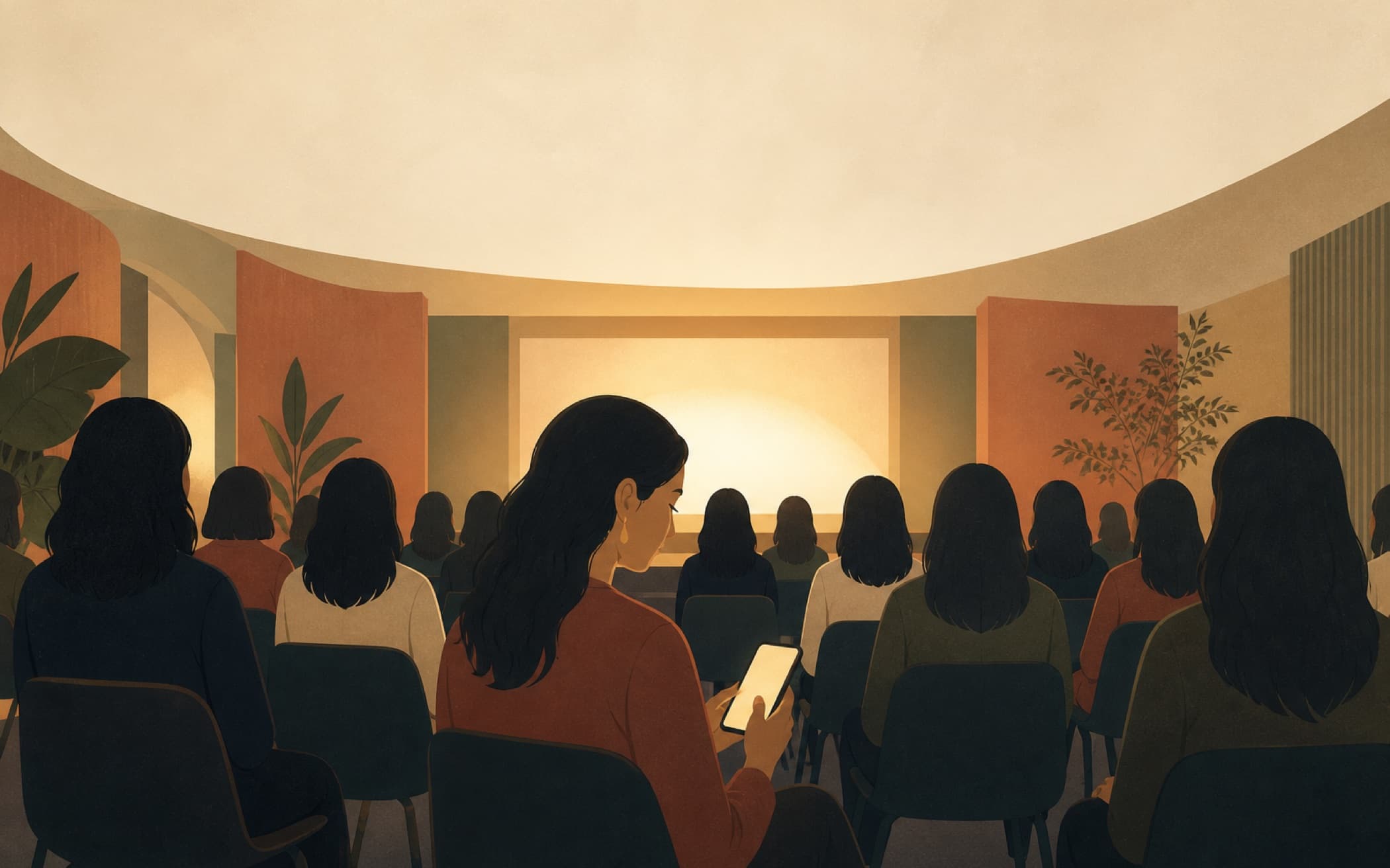
The ads tend to find you late, on a phone, after a bad night. Your child will not go to school, will not log off, or will not become the adult your relatives keep asking about. The camp says the problem starts with you, and that it can be fixed for a fee.
On August 17, the South China Morning Post reported a surge of mainland social-media marketing for “parent awakening camps,” programs that promise to retrain parenting habits and repair family relationships after gaming, sliding grades, or a child who stops going to school.
The mainland reporting SCMP draws on, from the outlet Jizhou Studio, follows mothers who paid tens of thousands of yuan for that promise.
It would be easy to read the price tags and blame the buyers. The more useful question is why an unregulated market is the fastest thing to answer a family in crisis.
Coaching parents can genuinely help a stuck household, but the version worth paying for comes with a license, a plan, and an end date.
What the camps promise
The product on offer is a different parent. Stop controlling, start connecting, and the grades, the gaming, or the locked bedroom door will sort themselves out.
Delivery varies widely. Some of it is an ordinary lecture series led by certified counselors, roughly what a decent school-district parenting workshop looks like anywhere.
The expensive end runs closer to theater. SCMP describes coaches blindfolding parents and binding their limbs so they can feel what a tightly controlled childhood is like.
It is a vivid demonstration, and vivid is not the same as durable. In the accounts reporters collected, parents left the room with a strong feeling and nothing scheduled for Monday.
The programs worth paying for send you home with one thing to practice this week and a qualified person who still answers the phone in October.
Why parents are receptive
A child who stops leaving the house does not wait politely for an appointment. The school starts calling, the semester keeps running, and the family needs an answer this month.
In most of the households in this reporting, the mother is the one held responsible when something goes wrong. A husband, an auntie, or a group chat can make that verdict feel official.
Zhang Ruilian, a mother in Shandong province, spent close to 30,000 yuan (about US$4,500) on a Wise Parents Awakening Camp after her husband blamed her for their daughter, now in her thirties, still being unmarried.
There is no diagnosis anywhere in that story. What she bought a cure for was a long-running argument at home about whose fault her adult daughter’s life is.
China’s 2021 Family Education Promotion Law put a version of the same expectation into statute: parents are their children’s first teachers, and raising them well is a legal responsibility, not only a private one.
The law itself is mostly unremarkable, and it is written about minors. But in a culture that already grades mothers, it adds one more voice telling a woman she is behind before she has spoken to a single clinician.
The useful idea under the marketing
Adult behavior really does shape a stuck household, and saying so is not blaming anyone.
The American Academy of Child and Adolescent Psychiatry treats school refusal as a problem the adults have to work on too. Its guidance is a qualified clinician working with the parents, the school, and the child at once, with a gradual, negotiated return to the classroom.
A good share of that work happens at home. Parents learn to stop bargaining at seven in the morning, stop writing the note, and hold a boring, predictable routine while the anxiety comes down.
So a mother who signs up to change her own behavior has picked a reasonable place to start.
The leap comes next, when a single weekend is priced and sold as a substitute for assessment, school coordination, and months of ordinary follow-through.
Where coaching ends and exploitation begins
The tell is usually in the sales process rather than the slogan. Guaranteed results on a fixed timeline, a pricier tier waiting behind every setback, and advice to keep the fee from your spouse all belong to selling rather than to care.
Wang Hui, another mother in the Jizhou Studio reporting, spent more than 100,000 yuan after her son stopped going to school. Her instructor told her to recite a “parental energy” affirmation twice a day, essentially a script about trusting her child.
Her son kept going to the internet cafe. When she asked for her money back, she was told that a mother should be willing to do anything for her child.
An industry insider quoted in the coverage put it plainly: some camps work by convincing mothers that everything is their fault. That framing keeps a customer, in a way that a treatment plan with an ending does not.
There is a harder edge to this market. Writing in The Diplomat this month, journalist Lina Ma traced how China’s old “internet addiction” boot camps rebranded as family education and behavioral intervention centers and began taking adults.
A July investigation by China Newsweek, which she cites, documented people in their twenties transported and held at these facilities at their own families’ request. That is a long way from a parenting seminar, but it is the same industry’s far end.
What qualified family support should look like
Start with the least glamorous door. A pediatrician or family doctor can rule out what needs ruling out, and a school counselor can tell you what the attendance rules actually allow before anyone panics.
From there, look for a licensed clinician (a psychologist, clinical social worker, or marriage and family therapist) who has treated school refusal or adolescent anxiety before, not in general terms but with kids this age.
Three questions sort out most of the rest. What license do you hold, and where can I verify it? What does the plan look like over the next 90 days? Will you coordinate with the school, or only meet with me?
AACAP also notes that medication is not a stand-alone answer for school refusal, and that children do better when the adults involved are working from one plan instead of three.
A credible clinician will tell you what is uncertain and roughly when you should expect to see change. Nobody serious guarantees an outcome by a date, and nobody serious promises to redirect an adult child’s decisions about marriage or work.
If these ads feel familiar from outside China, the filter is the same. Parenting classes are often useful and often inexpensive; the warning sign is a price that climbs every time you hesitate.