
Most Online Daters Have Suspected a Fake Match
A Harris Poll briefing for World finds 74 percent of online daters surveyed have suspected a match was not real. That doubt changes who people swipe toward, how soon they meet, and what they want a verification badge to prove.
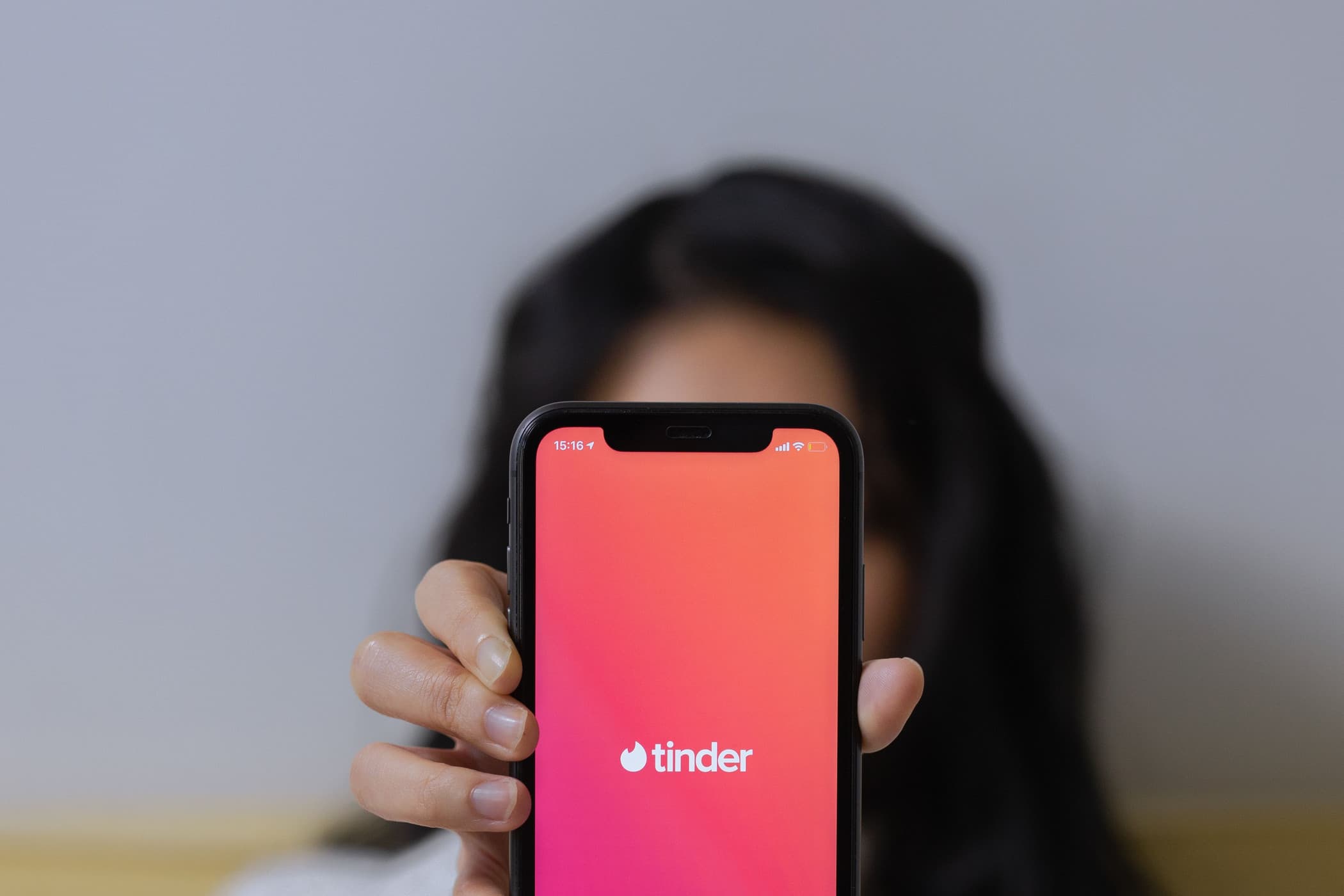
You open the chat and something feels off. The photos are too polished. The answers arrive at odd hours.
You keep typing anyway, or you don't.
A newly published Harris Poll briefing, fielded in August and released by World on November 2, measured that pause. Among online daters in the sample, 74 percent said they had suspected someone they matched with on a dating app was not real.
The poll measures suspicion, not a confirmed count of bots. World commissioned it and sells a verification product.
Even so, the answers show how the doubt already shapes the night: who gets a like, who gets a first date, and what people think a badge is for.
Suspicion is already a dating filter. If apps sell verification, daters need a plain answer for what the badge proves, and what it still cannot prove.
How the doubt changes the swipe
Fifty-seven percent of respondents named fake or deceptive profiles among the biggest problems on dating apps today.
That worry shows up in the tradeoffs people say they would make. Seventy percent would rather match with an average-looking person they know is real than with a very attractive profile they cannot trust.
Seventy percent also said knowing a real person is behind the profile matters most when deciding whether to match. Height got 4 percent.
Nearly half, 46 percent, said they would be more likely to meet in person sooner if they knew the match was real.
So the doubt already changes the night. It narrows who gets a like. It slows the move off the app.
"Is this person real" starts competing with chemistry before anyone has ordered coffee.
What people say they want verified
Eighty-one percent of singles in the sample said they would be more likely to use a dating app if every profile was confirmed as belonging to a real person.
Eighty percent said they would take steps to prove a real person is behind their own profile if their matches did the same.
In plain terms, people want the other side of the chat to be a living person before they invest another week.
World, which commissioned the poll, says World ID can show someone is a unique human, and over 18, without handing over a name, birthday, or address. Claiming a Proof of Human, it says, takes about two minutes.
World also says Proof of Human on Tinder is available in Japan and the United States, with a human badge for people who verify. Tinder chief product officer Mark Kantor, speaking at a World event earlier this year, said it is critical that users know there is a real person behind every profile they see.
What respondents are asking for is narrower than a full background check. They want proof that the profile belongs to one living person on the platform, not a recycled photo set or a bot farm.
What a badge still will not settle
A verified human can still ghost, lie about being married, or waste three weeks of chat. Real does not equal kind.
The 74 percent figure also does not tell you how many matches were actually fake. It tells you how often people felt the doubt. A sponsored survey that sells the cure needs that caveat next to the headline.
If your app offers a badge, ask what it checked. A selfie against a government ID proves one kind of personhood. An iris scan for "unique human" proves another.
Neither proves the bio is honest, the job is current, or the person will show up sober on Saturday.
After a weird chat, many daters already do the practical thing. Ask for a quick video call before the first drink.
Prefer the slightly ordinary profile that answers like a person. Leave the conversation that only works at 2 a.m. from a new account.
Suspicion is already changing who gets a chance. A badge helps only if it answers the question people are asking: is there a real someone on the other side.