
How Different Cultures Define Love
Anthropologists found signs of romantic love in 147 of 166 cultures. College students in the U.S. and Japan almost never said they would marry without it. In India and Pakistan, about half said they would.
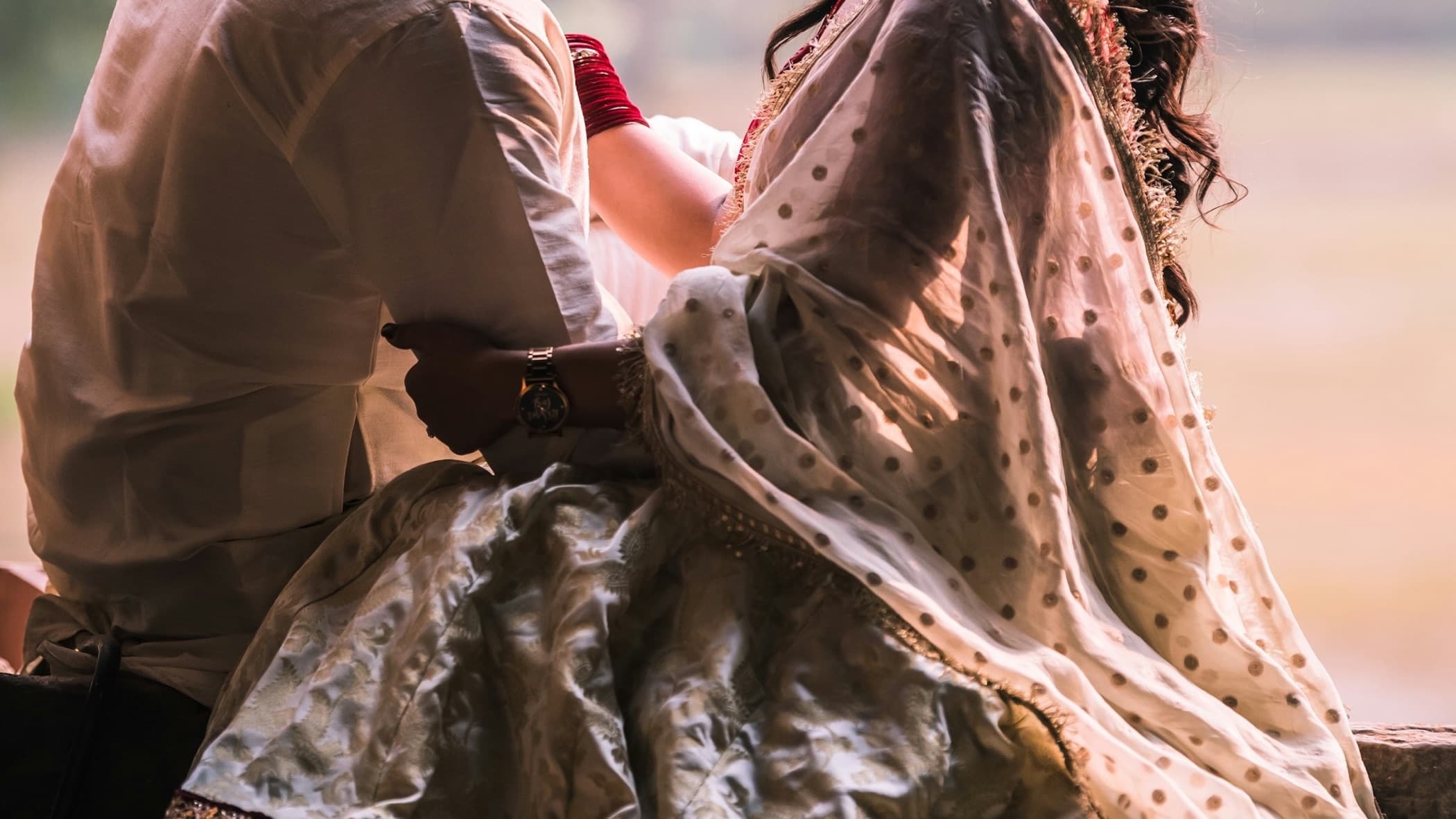
Someone at dinner says they would never marry a person they were not already in love with. Across the table, a cousin says the wedding can come first. The feeling has time.
Both of them are talking about love. They are giving it different jobs.
A love song turned up in most of the societies on record. Whether you may marry before the feeling does is a local rule. Ask which one your household is using before the invitations go out.
The record is full of love songs
In 1992, anthropologists William Jankowiak and Edward Fischer went through the written record on 166 societies. A love song counted. So did an elopement, or a person describing the longing.
They found at least one of those in 147 societies. For the other 19, the notebooks were thin. The authors read that as a gap in the record.
The same pattern shows up inside one country. In the 1990s, Elaine Hatfield and colleagues at the University of Hawaii asked students with Chinese, European, Japanese, and Pacific Islander families how in love they were.
Those groups did not score the feeling differently. What differed was how much each group put family ahead of the self.
Would you marry without it?
In the mid-1990s, psychologist Robert Levine asked college students in 11 countries a plain question. If this person had every quality you wanted, would you marry them if you were not in love?
In the U.S. group, 3.5% said yes. In Japan, 2.3%. In India, 49%. In Pakistan, about half. These were classrooms.
India's household survey shows what that looks like at a wedding. Marriages a woman chose by herself rose only from 3% in the 1970s to 6% in the 2000s. Choosing together with her parents became about two-thirds of newer marriages.
And 64% of women in those newer marriages said they met their husband on the wedding day.
Americans did not always answer this way. In 1967, only 24% of the women in a U.S. student sample said they would turn down a match without love. Among the men, 65% would.
By 2019, Pew found that 90% of married Americans named love as a major reason they married.
Before anyone books the hall
In Japan, a 2021 government survey asked unmarried people in their 20s and 30s why they wanted to marry. Living with someone they love led the list, about 53% of men and 51% of women.
Wanting children, and wanting to reassure parents, were still on it.
Before the hall is booked, it helps to hear which sentence your partner is actually using. Some people will not marry until the feeling is already there. Some expect it to grow after the choice is made, with parents in the room.