
Kim Ji-min and Kim Jun-ho Chose IVF. Then They Waited to Tell Anyone.
Korea’s comedy couple announced a first pregnancy after IVF, past the early weeks, at 42 and 50.
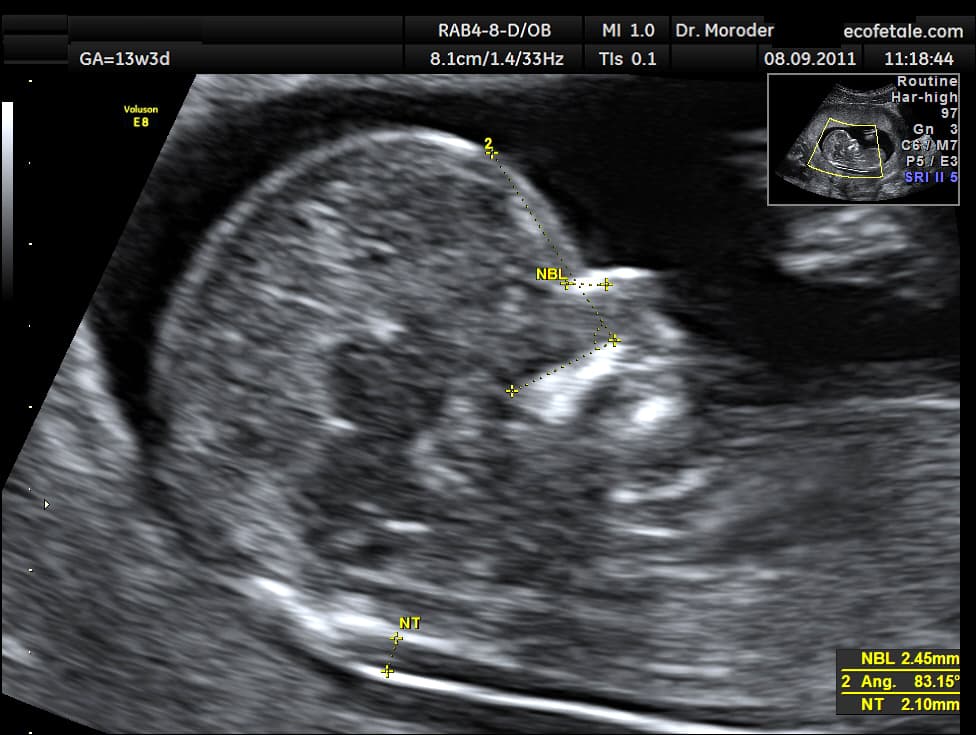
Celebrity pregnancy news often arrives as either a miracle headline or a risk lecture. Kim Ji-min and Kim Jun-ho offered something quieter, and more useful: a paced IVF story, told after the early weeks, without auditioning for strangers.
On July 30, 2026, their agency, JDB Entertainment, confirmed that Kim Ji-min is about 12 weeks pregnant with the couple’s first child, due early next year (February 2027 in several Korean reports). Korea JoongAng Daily, The Herald Business, and Sports Kyunghyang carried the basics. She is 42. He is 50. They married in July 2025 after dating publicly from 2022, a KBS comedy senior-junior pair who kept the relationship soft-launched for years before the wedding.
Kim Ji-min posted on Instagram the same day. English translations of her caption (via Soompi, Sports Kyunghyang, and Sportschosun) land on the same arc: last year they became an eternal two; this year they became the three they had dreamed of. She wrote that she leaned on her husband as he kept telling her not to overdo it and not to rush, then started their first IVF. The pregnancy stuck on the first try. The baby’s prenatal nickname appears as Durup, Durubi, or Durupi depending on the romanization. She named their dogs Neukkim and Nari in the same breath, then said that once the stable period had passed she could finally sleep with her legs stretched out.
Kim Jun-ho posted too. Coverage quotes him calling it a small miracle that arrived like a fairy tale, asking to meet his wife and baby in good health, and naming a new family chapter. The useful story is not that IVF “worked like magic.” It is that they prepared, waited to announce, and treated clinic advice as a plan instead of a verdict on whether they deserved a baby.
Population averages are not your clinic chart
SART's preliminary 2024 U.S. national summary puts live births per intended egg retrieval (first embryo transfer) around 8.2% for women ages 41 to 42, and about 16.7% for ages 38 to 40. Those are population averages across many clinics and protocols, not a prediction for any one couple in Seoul or San Jose. First-cycle success can happen. So can several cycles. Neither outcome is a character grade.
Family chats still treat IVF as either a last resort confession or a miracle headline. A high-profile Korean comedy couple who named counseling, pacing, first-cycle luck, and a delayed announcement gives readers a warmer reference when they are defending a later first pregnancy without shame.
They tried naturally, then chose IVF without the shame soundtrack
Earlier in 2026, Kim Ji-min said publicly that they had hoped to conceive without IVF, then changed course after counseling. Sports Kyunghyang and Maeil Business English coverage quote her saying that for advanced maternal age, retrieving and selecting healthy cells through IVF was presented as the better path for the baby’s health. She had also talked, on a YouTube appearance the prior year, about an ovarian-age test that came back younger than her calendar age, and about finding IVF intimidating enough that natural conception felt like the first plan.
That sequence will sound familiar to a lot of diaspora households: start with “we will try naturally,” hear a clinician reframe the odds, then face relatives who treat IVF as either failure or a cheat code. Choosing a clinic path after counseling is adult logistics. It is not proof you “waited too long,” and it is not a morality play about wanting a child badly enough.
If your family only knows two scripts for later first babies (pity, or miracle theater), keep a third: we made a medical plan we trust, and we will share details on our own clock.
Don’t rush was the partnership line, not a billboard
Kim Ji-min’s caption keeps returning to her husband’s refrain: do not push, do not rush. She also described roughly two months of focusing on her health before IVF, then insisting on starting once tests looked better, afraid the doctor might change their mind. That mix (patience plus urgency) is the emotional weather of fertility treatment for many couples. One person paces. One person presses. Both can be loving.
Waiting until past the early pregnancy window to announce is another form of pace. Korean coverage notes she is balancing broadcast work with prenatal care now that she has entered what outlets call the stable period. You do not need a variety-show career to borrow the instinct. Tell parents when you are ready. Mute the group chat that wants weekly proof. Decline “natural or IVF?” from people who will not sit in the waiting room.
Our guide on IVF and family pressure exists for the messier middle: money talks, auntie questions, and the way holidays turn fertility into public sport. Pair it with talking before kids when the real fight is values, not clinic jargon.
What to steal before someone grades your timeline
Write your announcement rules with your partner before a positive test writes them for you. Who hears first. Which platforms get a hard launch. What you will refuse to answer about age, method, or due dates.
Treat first-cycle success stories as weather, not destiny. Celebrate when friends get good news. Protect people who are still in the middle of retrievals, transfers, and quiet losses. Population success rates explain why clinics talk in ranges. They do not explain why your cousin succeeded on try one and you are still waiting.
And if someone frames 42 and 50 as either too late or a fairy-tale exception, correct the frame. This couple dated for years, married, tried naturally, took counseling seriously, prepared for IVF, then waited past the early weeks to speak. That is a family-formation plan with room for joy. It is not a template you have to copy week for week. It is permission to treat your calendar, and your clinic notes, as yours.