
What Can Kids Learn About a Playground From Isamu Noguchi?
Peabody Essex Museum’s Noguchi playground collage runs today from 1 to 3 p.m. in Salem, and again Nov. 21. On the ride home, ask where kids climb, hide, rest, and how a younger sibling gets through.
In Salem this afternoon, the art table is a playground.
Peabody Essex Museum’s Create Space Studios hosts Noguchi-Inspired Playground Collages today, Sunday, November 15, from 1 to 3 p.m., with another drop-in on Saturday, November 21, same hours. The activity is included with museum admission and is aimed at ages 4 and up on weekends.
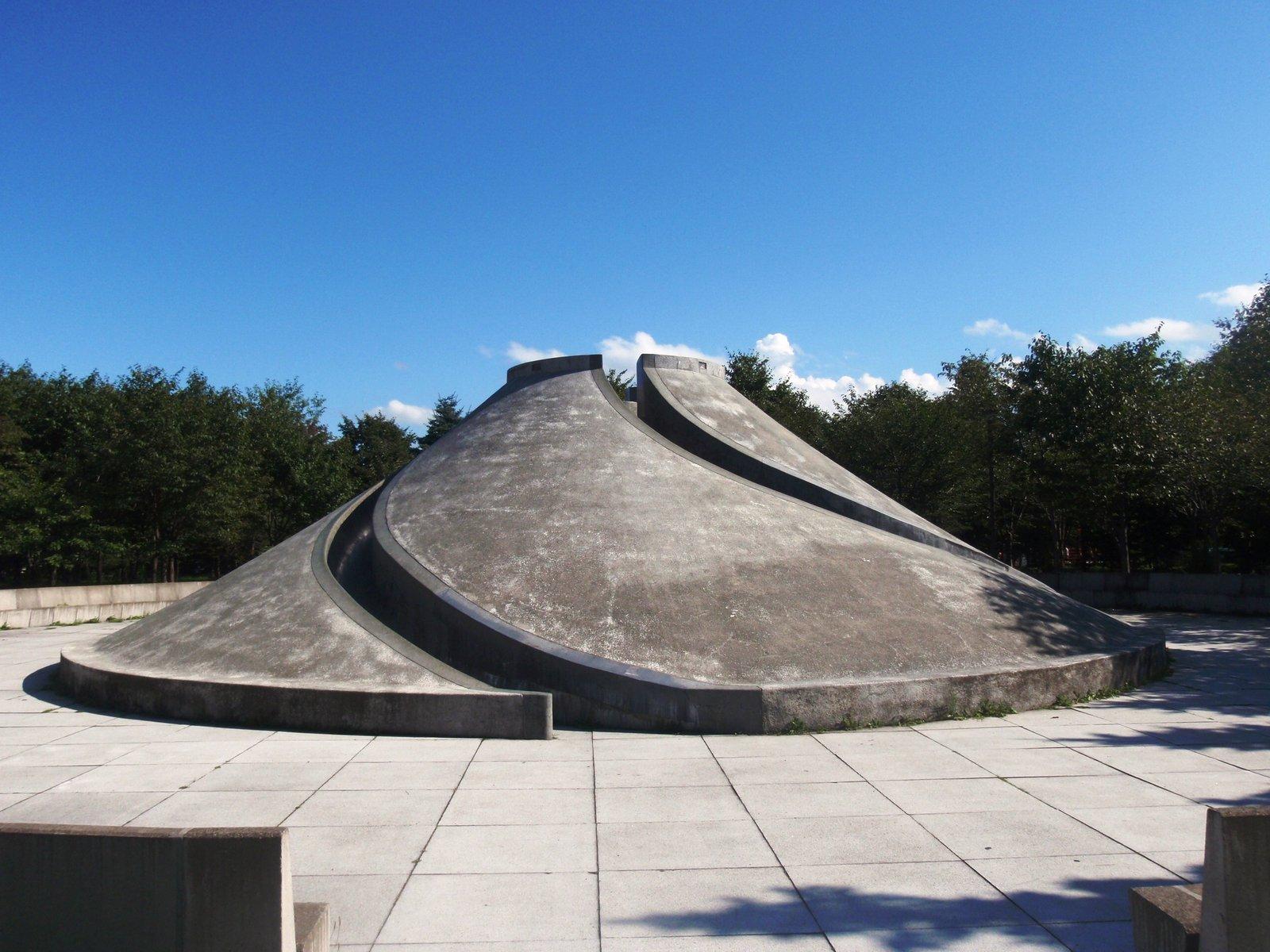
It sits beside the exhibition Isamu Noguchi: "I am not a designer," on view through January 3, 2027. Noguchi designed playgrounds with flowing shapes meant for freeform play. Start with the collage. On the ride home, ask four questions about what a playground needs.
The four questions help kids notice who a playground leaves out, including the toddler still in the stroller.
What Noguchi was after
Isamu Noguchi (1904–1988) was a Japanese American sculptor who also made furniture, lamps, stage sets, gardens, and playgrounds. PEM’s show, organized with Atlanta’s High Museum, gathers that everyday design work in one place, including playground ideas and original play equipment visitors can try.
He wanted shapes kids could invent uses for: mounds, curves, open silhouettes. A swing from a catalog was never the whole idea.
Atlanta’s Playscapes in Piedmont Park was the playground built in his lifetime. Moerenuma Park in Sapporo carries the same outdoor thinking. The Salem collage is the local version you can finish before nap.
Four questions for the car or the kitchen table
After the museum, or instead of it if you cannot get to Salem, give the kid paper, scissors, and a glue stick. Or couch cushions and painter’s tape. Ask these four, one at a time.
1. Where do you climb? Point to a high spot. Is it a hill, a ladder, a rope, a rock?
2. Where do you hide? Find a pocket out of sight from the adult bench. A tunnel, a bush shape, a wall with holes.
3. Where do you rest? Mark a flat place to sit without getting shoved. Shade helps.
4. How does a younger sibling get around? Draw a path a toddler or a stroller could use: a ramp, a low step, a wide gate. If the answer is "they wait outside," redesign.
Open shapes make those answers easier to see. A collage that is only a tall slide has already failed the younger sibling.
If you are going today or Nov. 21
Claim tickets first. Youth under 16 are free. Adults pay general admission; Salem residents and workers get in free with proof at the desk.
Do the collage in Create Space, then walk into the Noguchi galleries if energy holds. Look for the playground and public-space section, and for any play equipment you can try.
Leave before anyone melts. The Nov. 21 drop-in is there if today is already crowded.
At home without the museum
Skip the fancy printouts. Cut circles, curves, and strips from junk mail. Glue a "yard" on cardboard. Ask the four questions while they place each piece.
Take the collage to a real playground next weekend. Stand at the bench and check climb, hide, rest, and the younger-sibling path. Let the kid mark what is missing with a sticky note in their pocket.
Kids of different sizes use the same yard differently. The sticky note is how they show you the gap.