
One Child Still Feels Like Enough
Interviews with Chinese-descent women in the U.S. find many still prefer fewer children years after the one-child policy ended. Money, undivided attention, and old social pressure still shape the second-baby talk.
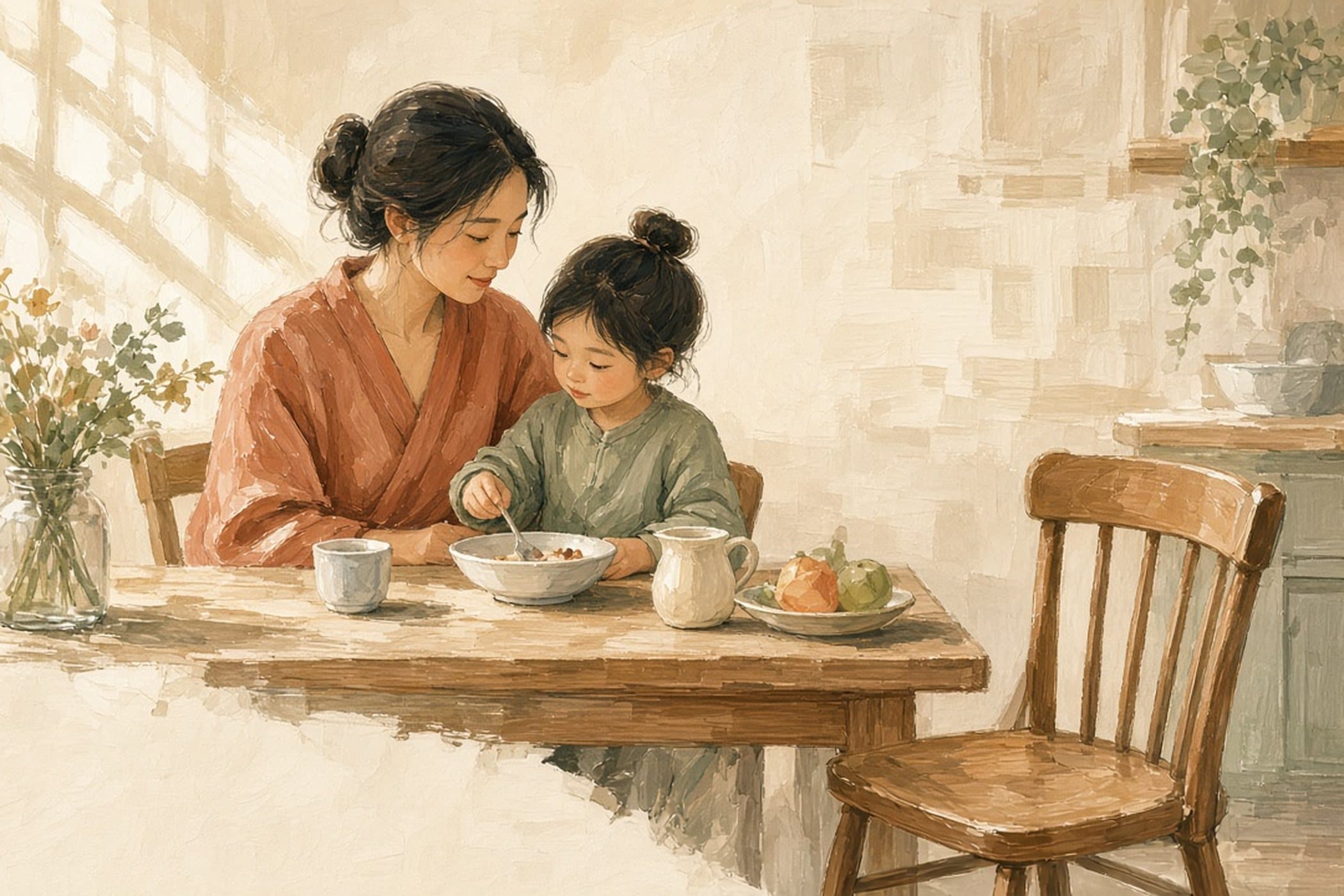
A relative asks when the second baby is coming. You already have one. On paper, nothing stops you.
A new qualitative study suggests why the question can still feel heavier than the visa stamp or the U.S. birth certificate.
A Journal of Biosocial Science paper published this spring interviewed 30 reproductive-age women of Chinese descent living in the United States. June Hoi Ka Ng of Maimonides Medical Center is the corresponding author.
Mean age was 33. Eighteen were born in China. Births among them ranged from zero to two.
The one-child policy no longer applies to them. Many still talked like a smaller family was the careful choice.
Half named money as a major reason. Others talked about giving one child full attention, or about shame they remembered from families who had more children than the state allowed.
Relatives often treat a second baby as the next item on a checklist. For many diaspora women in this study, wanting one child was a settled preference the old policy helped shape, not a pause before they come around.
Money, attention, and leftover shame
June Hoi Ka Ng, an OB-GYN researcher at Maimonides Medical Center who co-led the interviews with colleagues at Montefiore and UCSF, was asking a plain question: after people leave China, does the policy's mindset leave too?
Money came up most often. Fifteen of the thirty women named cost as a major factor: childcare, schooling, housing, the price of raising a child "well" in the United States.
One woman who was orphaned under the policy and later adopted by an American family put it bluntly. Even on a higher salary, quality daycare and schooling cost so much that another child felt out of reach.
Another said most of her family still has one child, even though more are allowed now, because educational investment is expensive and people hesitate to divide it.
Attention was the second refrain. Women who were only children remembered getting all the parental focus, and mothers of one said they could not picture adding another while still working.
Shame was quieter, but it showed up. Five respondents described lasting negative connotations around larger families.
One remembered judging a relative with many daughters who kept trying for a son. Another said hearing her mother's hard pregnancy story under the policy made having children feel less attractive.
The slogans traveled farther than the fines
China's one-child era paired enforcement with posters and school lessons that small families were modern and responsible. "Having only one child is good" was a common line.
The interviews suggest those lessons can stick after the fines stop. Participants were not still facing audits. They were still sorting money, attention, and what a "good" family looks like.
That does not mean every Chinese American couple wants only one child. The sample is small and qualitative. It means the preference for fewer kids can arrive with a family history, not only with this year's rent.
It also helps explain a dinner-table mismatch. Elders who want a second grandchild may be speaking from lineage and care for later life. Adult children may be speaking from a childhood where one was the safe, praised number.
Both can love kids. They are arguing from different calendars.
What to say when someone asks about a second
If one child is your plan, you do not owe a lecture on Chinese demography. A short answer is enough.
Try: "We are choosing to put everything into this one. That is our plan."
Or: "Money and attention are the limit for us right now. We are not leaving a blank for a second."
If you do want another child later, name the real blockers instead of apologizing for delay: housing, leave, grandparents' work hours, recovery from the first birth.
Partners should get the same conversation before the relatives do. One person may hear "one is enough" as temporary. The other may hear it as the finish line.
The policy ended. The feeling that one child is enough did not end for everyone who grew up under it. Treat that feeling as real information about your household, not as proof you want too little family.