
Rent Is Keeping People in Relationships Longer Than They Want
Apartment List’s 2026 renter survey found 42% stayed in romantic or platonic living situations past their preferred exit because breaking up meant breaking the bank. Self Financial and Storable data rhyme.
If someone is still on the lease after the love is gone, the diagnosis is not always “they cannot commit.” Sometimes the second security deposit is the real third roommate.
Apartment List’s State of Renting: 2026 Report, built with Talker from a December 15 to 22, 2025 survey of 1,000 Gen Z and millennial renters across the United States, put a blunt number on that trap. Forty-two percent said they stayed in romantic or platonic relationships longer than they wanted because breaking up would mean breaking the bank. The same survey found 86% delayed major life milestones because of housing costs, including buying a home (43%), saving for retirement (25%), and starting a family (24%). Nearly half said their income did not allow them to save at all. One in four reported spending more than half their income on rent.
That 42% line is the one worth pinning above the fridge. Desire did not vanish. The exit fee did. Leaving a partner, a situationship, or a roommate setup can mean first and last month’s rent, application fees, furniture you do not own yet, and a solo grocery bill that no longer splits. In expensive metros, that math can feel like a wall even when the emotional decision is already made.
The same story keeps showing up in different surveys
Self Financial’s poll of more than 1,000 U.S. adults, covered by Newsweek in 2025, found about 24% of people in relationships would leave if they could do so without a financial hit. Storable’s 2026 Moving Forecast, a nationally representative survey of 1,000 U.S. adults released February 24, 2026, found 33% had stayed in a relationship or living situation longer than they wanted because they could not afford to move out. Different samples, same housing lock.
Family chats still treat stuck relationships as character problems. Survey data from Apartment List, Self Financial, and Storable shows housing economics can delay exits the same way it delays kids and homebuying. Naming the rent makes the conversation fairer, and the exit plan more practical.
Staying is not the same as choosing
Wanting a partner who can share rent is different from staying because you cannot afford two leases. The first is preference. The second is a soft cage. Alex Beene, a financial literacy instructor at the University of Tennessee at Martin, told Newsweek that shared rent, utilities, and groceries are increasingly how couples keep their heads above water, and that recessions have long suppressed divorce for the same reason: two households cost more than one.
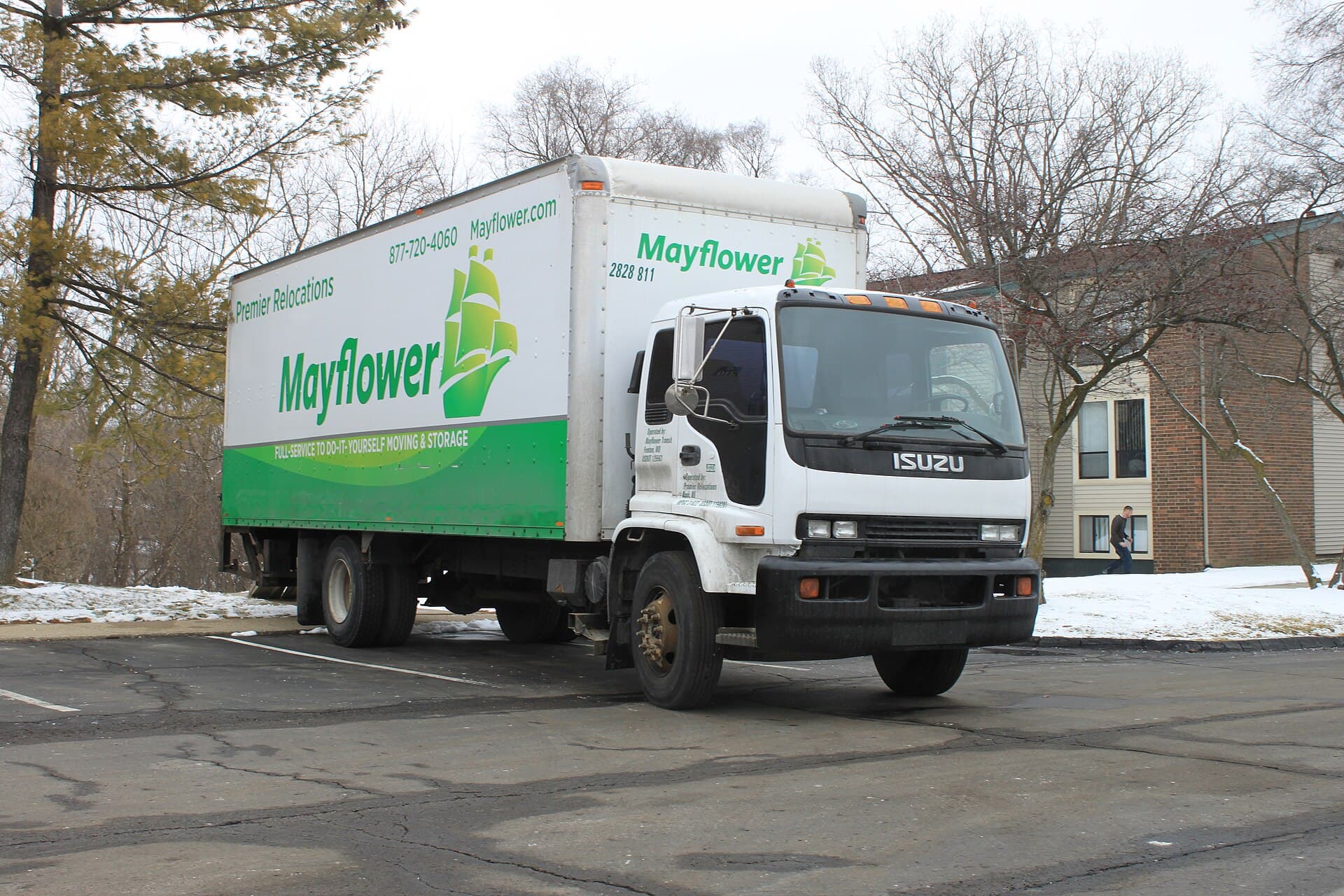
Apartment List’s report also notes that renters are strategizing, not frozen: almost half would consider moving cities to save, and more than half would Airbnb a unit if they could. That hustle energy can coexist with a quieter truth. Some people stay because the relationship still has warmth. Some stay because the moving truck quote arrived first.
For diaspora households, the pressure stack gets thicker. Remittances, parental expectations about “settling down,” and shame about living alone after a breakup can make an expensive exit feel like a moral failure instead of a budget problem. Name the lease. It is kinder than inventing a personality flaw.
Mortgage lock-in can trap people too
Renters are not alone in the glue. Storable’s forecast found nearly half of respondents (46%) felt trapped in their current housing. Among homeowners asked what they would sacrifice to keep a low mortgage rate, 8% said they would stay in a relationship they want to leave rather than give up the rate. That is a smaller share than the renter finding, and it is still a flashing light: the housing market is writing intimate scripts that used to sound private.
Our earlier Apartment List milestones brief covered delayed kids and homebuying. This piece is the relationship twin. Our home-prices brief from July 31 is the ownership twin. Read together, they describe one squeeze from three angles: milestones pause, exits get expensive, and starter ownership keeps sliding later.
What to do before the lease becomes the therapist
If you recognize yourself in the 42%, write an exit budget before you write a breakup speech. Deposit, first month, movers, basic setup, three months of solo rent. Knowing the number turns “I cannot leave” into “I need X months,” which is a plan instead of a fog.
If you are dating toward cohabitation, treat the lease as a commitment document, not a romantic shortcut. Who is on the lease. What happens if someone wants out. How you will handle a breakup deposit. Our living-together guide exists for that awkward paperwork conversation while you still like each other.
If relatives keep asking why you are still with someone, or still single in a shared apartment that looks like a couple from the outside, borrow a calm sentence: housing costs are keeping a lot of people in living arrangements past their preferred exit. Then stop auditioning. Pair this with the premarital money talk and the Harris financial-stability dating brief when the real fight is face versus floor plans.