
The Winter Coat Goes Out on a Monday
Monday, November 9, is a workday in Hong Kong, on the mainland, and in Taiwan's government offices. A 1635 Beijing guide calls it the day for sending winter clothes to the dead, and says a recent death gets white paper.
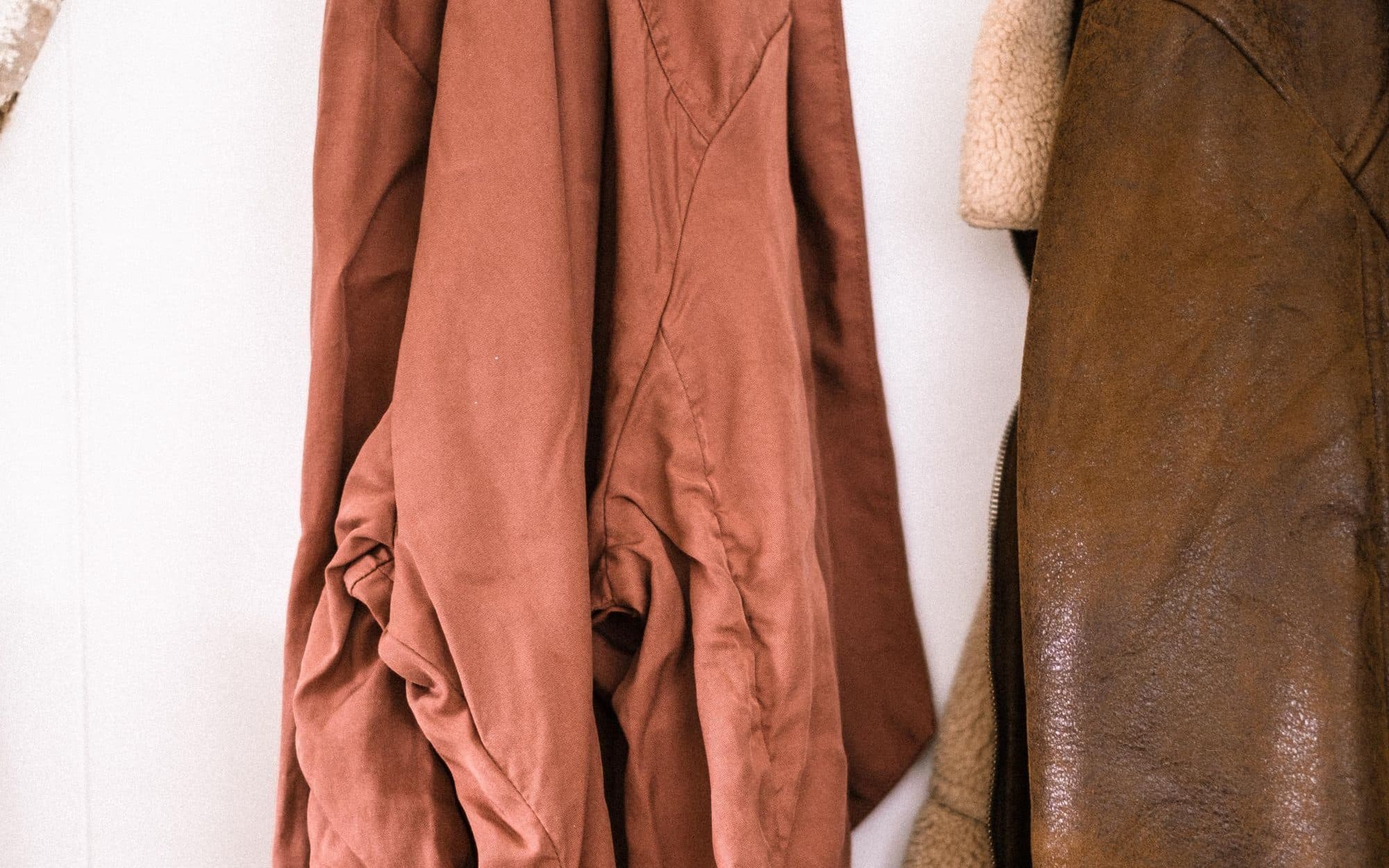
The heavy coat is still on its hanger. Someone in the family chat has already asked who can take Monday.
The Hong Kong Observatory's 2026 calendar puts the first day of the tenth lunar month on that Monday. In the Beijing books, that is the day the winter clothes go out.
Hong Kong's general holidays leave November 9 off the list. The State Council's notice for 2026 names seven holidays and stops at National Day. Taiwan's government work calendar does not close the office either.
Chongyang fell on a Sunday this year, so Hong Kong took the Monday after. November 9 is already a Monday. Nothing on these lists hands anyone the 10th.
Before Sunday night, someone has to choose the color of the paper, and whether Monday means the grave or the front door.
Saturday is a different date
Winter starts, on that same table, on Saturday, November 7. That solar term is Lidong. The clothes go out on Monday.
November 7 is still the 29th of the ninth month. The 8th is the 30th. Monday is the first of the tenth.
If Saturday is the only ride to the grave, take it, and tell the chat you are early. The date in the books is Monday.
White paper, if the death is new
In 1635, Liu Tong and Yu Yizheng described the day in a Beijing guide, the Dijing jingwu lue (帝京景物略). Paper shops cut paper in five colors into clothes for men and women, and sold them as winter clothes.
The packet carried the name and the generation, the way you address a letter. At night the family set out food, called the name, and burned the paper at the gate.
The ordinary clothes were the colored ones. A recent death got white paper. The book says a new ghost does not dare wear color.
Around 1900, Fucha Dunchong described the same Monday in another Beijing yearbook, the Yanjing suishi ji (燕京岁时记). In it, people go to the graves that day.
By his time the paper coat had given way to a packet of spirit money with the name on the cover. They kept the name winter clothes anyway.
If the grave is overseas, the earlier book fits a workday. It happens at the door, at night, after you are home.
If the death was this year, ask about white paper before anyone buys the colored pack. A family that has never kept this Monday can leave the paper on the shelf.
When the cemetery will not take a flame
Zhang Tieying wrote about this day in Yantai Daily on November 22, 2024. He and his siblings go to their mother's grave every year. The public cemetery no longer let them bring in an open flame, so the paper clothes stayed unburned.
His sister still spoke at the grave. She told their mother not to get cold over there, and to add a layer now that the weather had turned.
If the cemetery bans a flame, and the building will not let you burn at the door either, say what she said. Then tell the relative who keeps this day that you said it.
Before Sunday night
Ask the person who keeps this day.
Does this death get white paper? Is Monday the grave, or the door at home?
If your family only goes at Qingming, say that in the chat. Qingming is the grave day those offices close for. This Monday, they are at work.
If you cannot get to the grave, stand at the door and tell them: add a layer, and don't get cold.
If a flame is not allowed there either, say those words from the kitchen. Then tell the person who would have gone.