
Parenting in Chinese American families
What may come up in family life
- Mandarin, Cantonese, and heritage language at home
- Lunar New Year, Qingming, and traditions you keep or adapt
- Filial respect and modern boundaries with parents and in-laws
- Academic pressure, tutoring, and redefining success
- Regional differences across mainland China, Hong Kong, and overseas Chinese communities
- Mixed heritage and multiracial identity within Chinese American households
Language and food
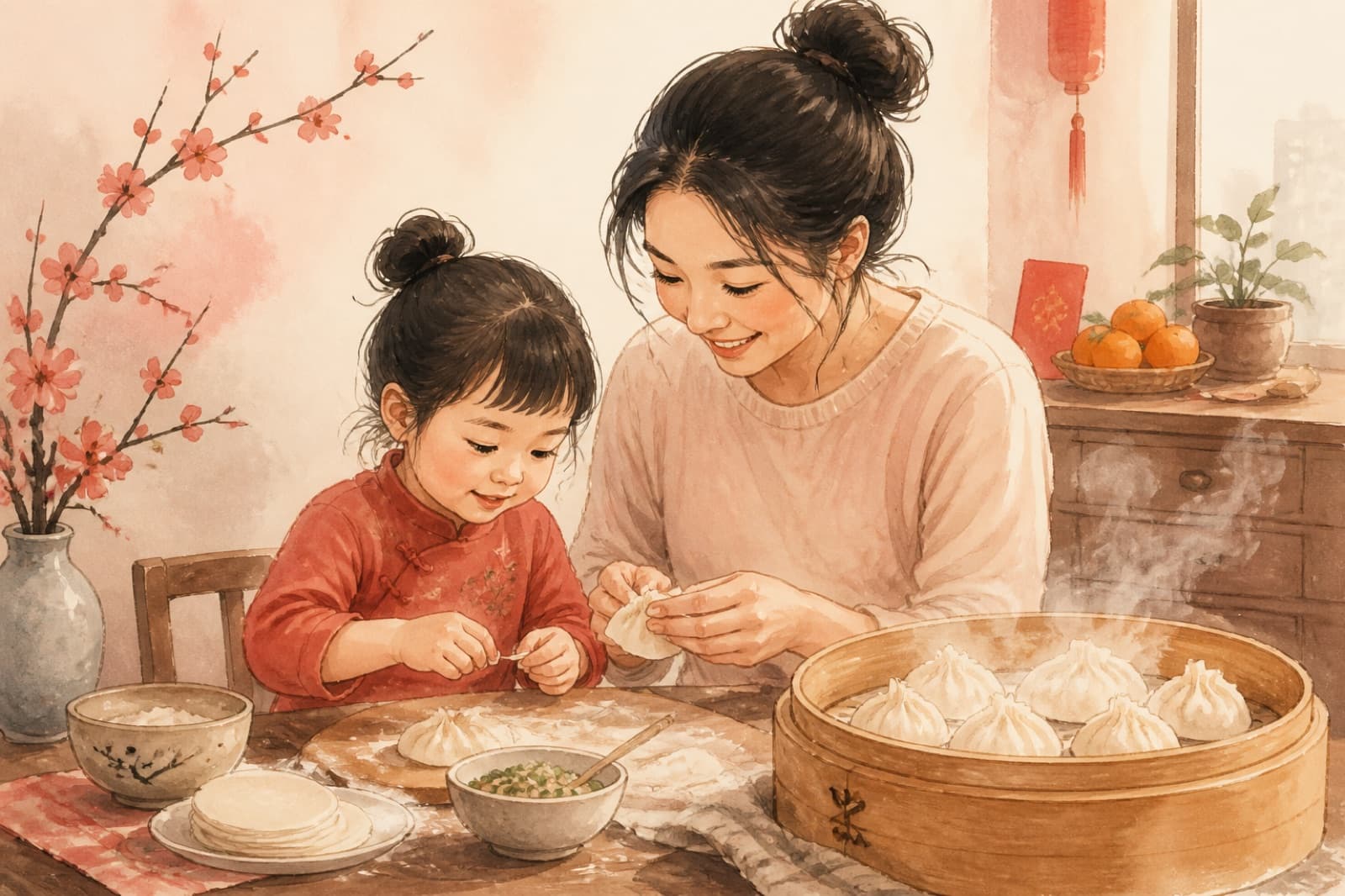
Language often follows migration more than ideology. A Guangdong family may guard Cantonese at home while Saturday school drills Mandarin. Another household dropped Chinese after decades of "speak English" pressure and still keeps culture alive through food and story. Neither path is a failure. Kitchen work is where many kids meet the language without a worksheet: folding jiaozi, tasting vinegar before the dipping sauce is "right," learning that congee is comfort food before it is a vocabulary word. Regional plates matter. What your aunt calls dumpling filling in the Northeast is not what your uncle fries in a Hong Kong-style kitchen. Pizza nights are allowed. So is a teen who refuses Chinese for two years and then asks for help texting 奶奶. Heritage school, church youth groups, and the suburban Asian market are all valid infrastructure. Use what is within driving distance. Comparing yourself to the family with grandparents downstairs and daily Mandarin helps no one.
Grandparents and expectations
Grandparents may be the reason you can work, the reason your child knows a lullaby, and the reason a comment about weight still stings at age thirty. Filial piety is real for many families. Silence when a boundary is crossed is optional. Elders who lived through scarcity often measure love in sacrifice, food, and discipline. That history is useful context, and it still does not excuse hurtful comments. Agree with your partner first on bedtime, sugar, screens, and who disciplines, then talk with grandparents as a team. When elders live overseas, WeChat and short visits become the bridge. Kids who freeze in Chinese on camera are not rejecting love. Name the awkwardness, keep the call short, and focus on faces and jokes over perfect sentences. Aunties weighing in on tutoring or marriage get a welcome seat or a polite redirect. You choose which. Money flowing across generations is common. Decide privately what you can sustain so gratitude does not turn into quiet resentment at the parenting table. On long visits, schedule a midpoint check-in to renegotiate house rules before anyone is exhausted.
School and identity
In one classroom your child is the "smart Asian kid." In another they are asked where they are really from. Help them practice a short reply, and make it clear they can tell you when a joke or group project lands wrong. Ambition is not the enemy. A childhood that only looks like a résumé is. Leave room for friendships, boredom, and interests that never make a transcript. If Chinese school is a weekly war, look at timing, teacher fit, and your child's say before you scrap the whole project. Anxiety around exams still gets whispered about more than treated in some communities. Asking for help is not a family failure. Books and media that show working-class and regional Chinese American lives help kids see more than the doctor-or-engineer script. Ask the librarian for those titles by name.
Mixed and multiracial family notes
When one parent is Chinese and another is not, relatives may treat your child as "more" one side based on face, name, or language. Say that out loud at home so the child does not invent a private explanation. Choose holidays, foods, and naming traditions together. The non-Chinese partner does not have to become the culture police. Give them room to learn, and keep heritage as a shared project rather than a test only one adult can pass.
Recommended guides
A few starting points from our library for this part of family life.

How to Keep Language Alive at Home
Practical ideas for bilingual and heritage-language families without guilt, perfectionism, or treating fluency like the only proof of love.
Leah Chen · 7 min read

Filial Piety and Boundaries in a Modern Family
Honoring parents and protecting your own household can feel like opposite commands. Here is how some families hold both without living in permanent guilt.
Mina Han · 7 min read

How to Set Boundaries With Grandparents
Scripts and frameworks for diaspora families setting visit limits, childcare rules, and pushback on advice—from drop-ins and weight comments to in-laws who help daily.
Mina Han · 9 min read

When Tutoring and Enrichment Start to Feel Like an Anxiety Spiral
Extra help can be useful. It can also multiply when fear is driving the schedule. How to tell the difference and step off the spiral.
Grace Liu · 6 min read
Easy Asian Family Dinners for Tired Nights
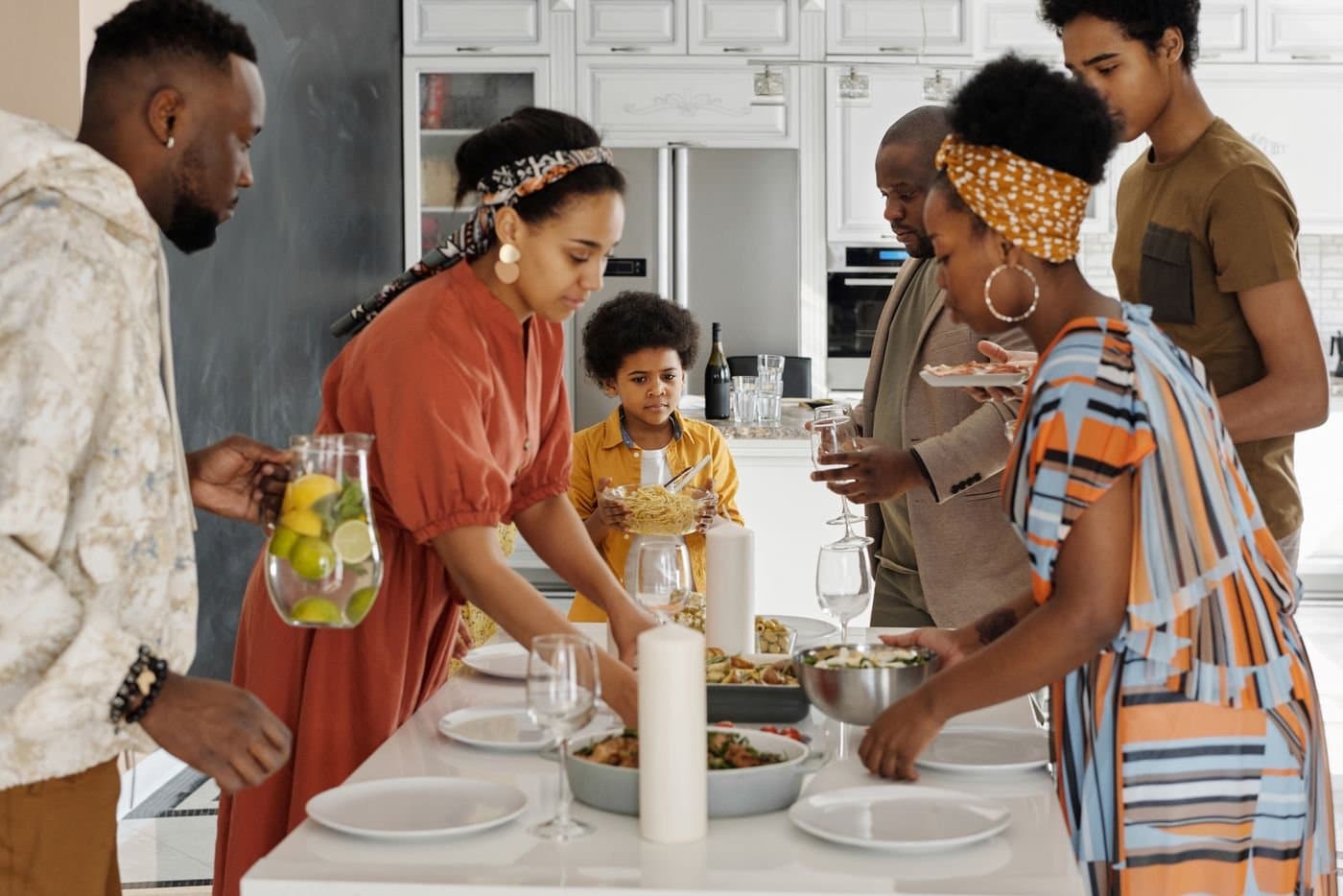
Heritage food does not have to mean two-hour recipes after a long day. Simple, warm dinners that keep culture in reach on tired nights.
Sofia Reyes Tan · 7 min read
When Your Child Does Not Want to Go to Heritage School
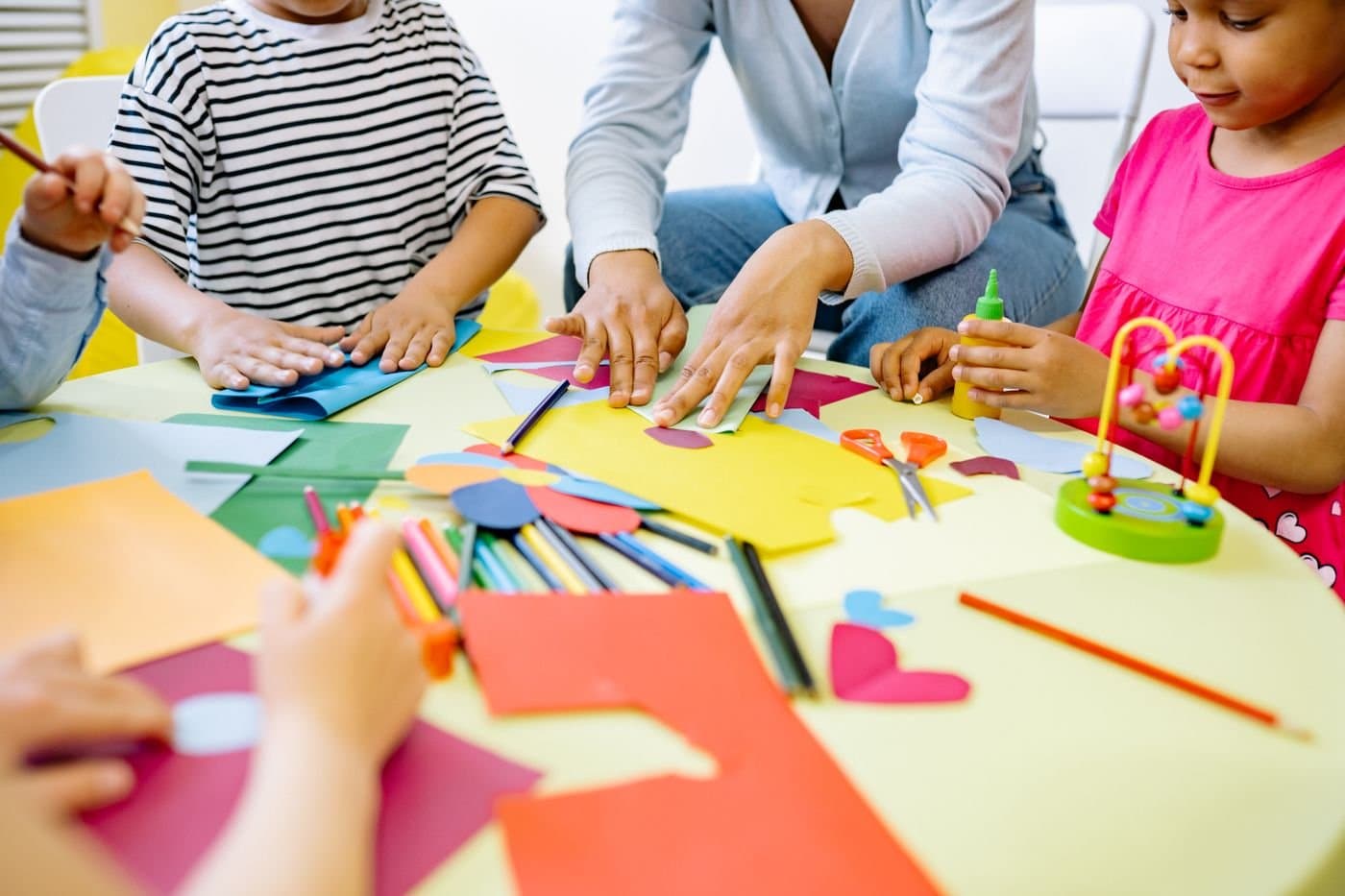
Weekend language and culture classes matter to many families. So does a child's resistance. How to respond without shame or surrender.
Leah Chen · 7 min read
When One Parent Is Asian and the Other Is White
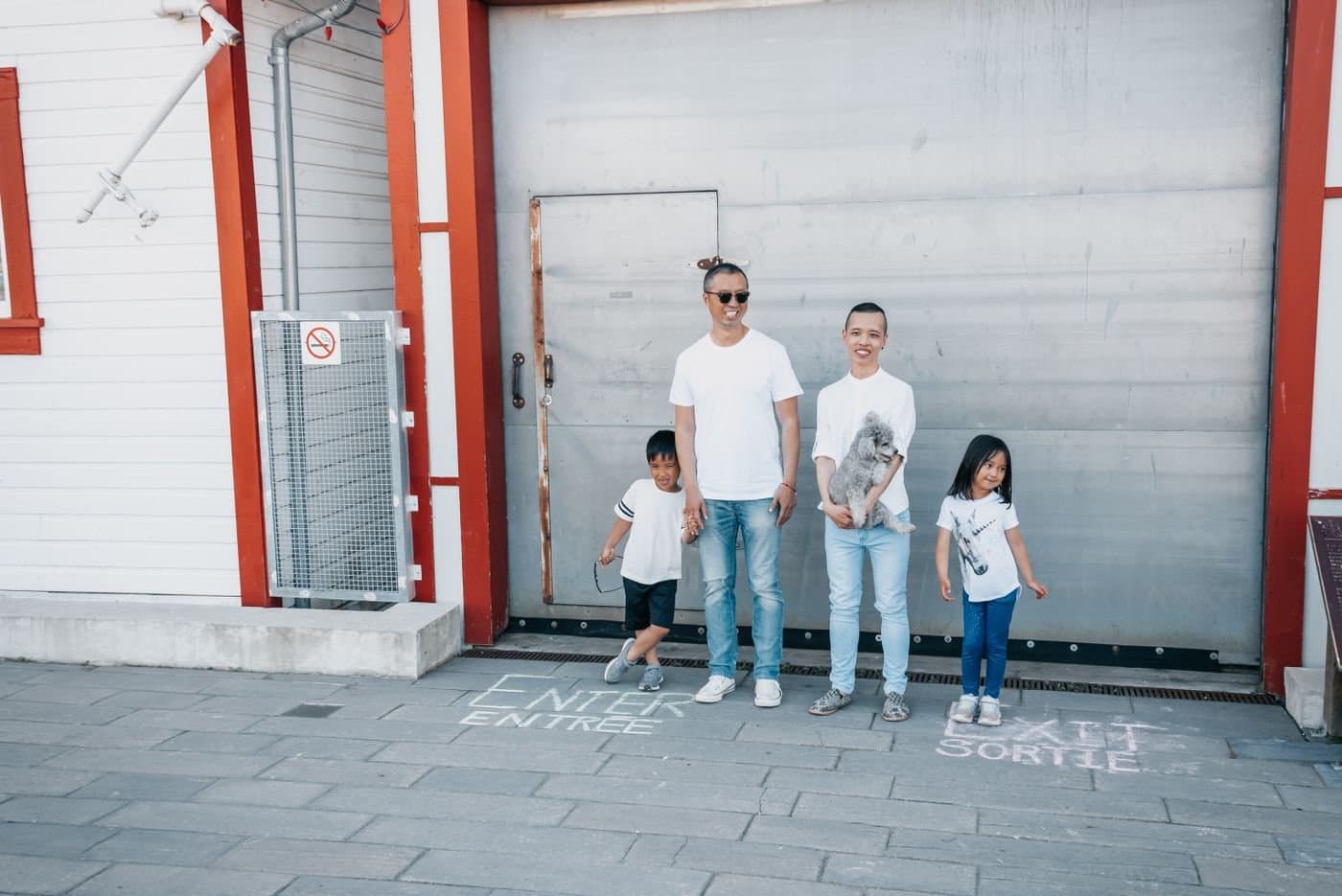
Your child sits at a crossroads you and your partner navigate daily. How to build a family culture that honors both sides without forcing a false split.
Leah Chen · 7 min read