
Golden Cub Club

Parenting in Indonesian American families

Indonesian American families reflect archipelago diversity: Javanese, Sundanese, Chinese Indonesian, Papuan, and many other backgrounds, with Muslim, Christian, Hindu, and other traditions. Population size in North America is smaller than some Asian groups, which can mean fewer local peers and more DIY cultural transmission. Respect for elders, gotong royong, and warm hospitality often appear at home. You may also navigate questions about religion, ethnicity, and national identity that outsiders simplify. Muslim, Christian, Hindu Bali, and Chinese Indonesian traditions differ sharply. National identity and ethnic identity both matter in how kids answer where are you from. Community may require online connection when local population is tiny. This page honors that diversity and offers practical starting points on language, food, grandparents, and school when community infrastructure is thin on the ground. Building Indonesian American community sometimes means starting the potluck yourself rather than waiting for an organization to exist. Chinese Indonesian, Javanese Muslim, and Balinese Hindu homes should not be conflated in school projects about Indonesia. You are allowed to adapt traditions to fit sleep, work, and mental health in your actual household. Perfect transmission is a myth that burns parents out. Partner alignment before family visits prevents kids from carrying messages between sides. Decide rules privately, then present united warmth in the room. Build a small home library and playlist that reflect your family blend so kids see themselves on the shelf, not only in one month a year at school. Your child deserves ordinary kid joys alongside heritage pride, from sleepovers to sports to silly hobbies that are not cultural lessons.
Parents walking outdoors with young children along a sunny boardwalk
PNW Production / Pexels

What may come up in family life

  • Bahasa Indonesia and regional language exposure
  • Ramadan, Nyepi, Christmas, and local holiday blends
  • Small diaspora communities and finding peers
  • Grandparents abroad and long-distance connection
  • National identity across ethnic lines
  • Mixed heritage within Indonesian American families

Language and food

Bahasa Indonesia may be the main heritage language, sometimes alongside regional languages or Dutch-influenced family speech. Without many local schools, home exposure, media, and calls to relatives become essential. Cook together: nasi goreng, rendang, satay, and tempeh introduce culture through senses. Share stories about islands and family migration. When community events are rare, create small rituals at home rather than waiting for perfect infrastructure. Celebrate Independence Day at home with simple games if no local event exists. Batik fabric crafts engage hands when language drills fail. Gamelan or angklung classes engage kids who resist textbooks. Rendang slow cooking on Sundays creates aroma memory that lasts decades. Teach that Indonesia is Muslim-majority but not monolithic. Es campur on special nights creates joyful memory without travel. Small repeatable rituals beat rare cultural performances that exhaust everyone. Let kids lead one choice each month, from recipe to music to holiday decoration. Rotate who chooses dinner music or weekend outing culture so no heritage feels like homework for only one parent or child. School lunch and party seasons need planning for dietary and modesty needs. Notify teachers early with simple notes your child can repeat. Grandparents overseas can record recipe videos for playback during cooking nights when live calls are hard to schedule across time zones. There is no single correct pace for passing down culture across generations in North America.

Grandparents and expectations

Grandparents often remain in Indonesia, making video calls and occasional visits central to relationship building. Time zones require planning. Elders may express love through advice about faith, marriage, and behavior that feels intense from a distance. Thank them while holding your parenting choices. If relatives visit for long stays, discuss house rules kindly in advance. Elders may send religious guidance across messaging apps. Filter what kids see. Long visits may include many guests. Set capacity limits kindly without guilt. Group chats with cousins abroad can include short kid videos weekly so faces stay familiar. Religious advice from abroad may conflict with your parenting theology. Filter messages kindly but clearly for kids. Gratitude and boundaries can coexist. Thank elders for sacrifice while naming what your children need now before conflict peaks at gatherings. When elders visit long term, renegotiate house rules kindly at the midpoint of the stay so resentment does not build silently. Cousin comparison and WhatsApp group chatter hurt silently. Mute threads or set boundaries when praise becomes a ranking system for children. When relatives ask intrusive questions at checkout lines or family dinners, practice short answers your child chooses in advance. Start where you are with what you have. Neighbors, online groups, and one elder on video call can anchor a childhood.

School and identity

Indonesian American children may be asked to represent all of Southeast Asia in classroom projects. Help them share what they know without pressure to be encyclopedic. Few peers may share their background, so mentorship through online communities or family friends matters. Teach comfortable responses to questions about Muslim identity, Chinese Indonesian heritage, or other intersections your child carries. Advocate when Asian heritage month programming skips Indonesia entirely. Muslim Indonesian boys may need prayer space advocacy too, not only girls. Model UN and cultural presentations can channel pride when peers are curious. Southeast Asian erasure in curricula means you may need to supply books and stories. Advocate in PTA when heritage month skips Indonesia. Belonging grows through steady adult curiosity about daily life, not only through heritage classes or grades alone. Ask teachers to pronounce names correctly and include your child whole story when diversity units flatten Asian experience into one slide. Identity language may change each year. That is normal, not betrayal of either parent or community. Steady warmth over years matters more than perfect fluency or performance for relatives. Consistency over perfection builds belonging that lasts into adulthood when kids feel seen at home first.

Recommended guides

A few starting points from our library for this part of family life.
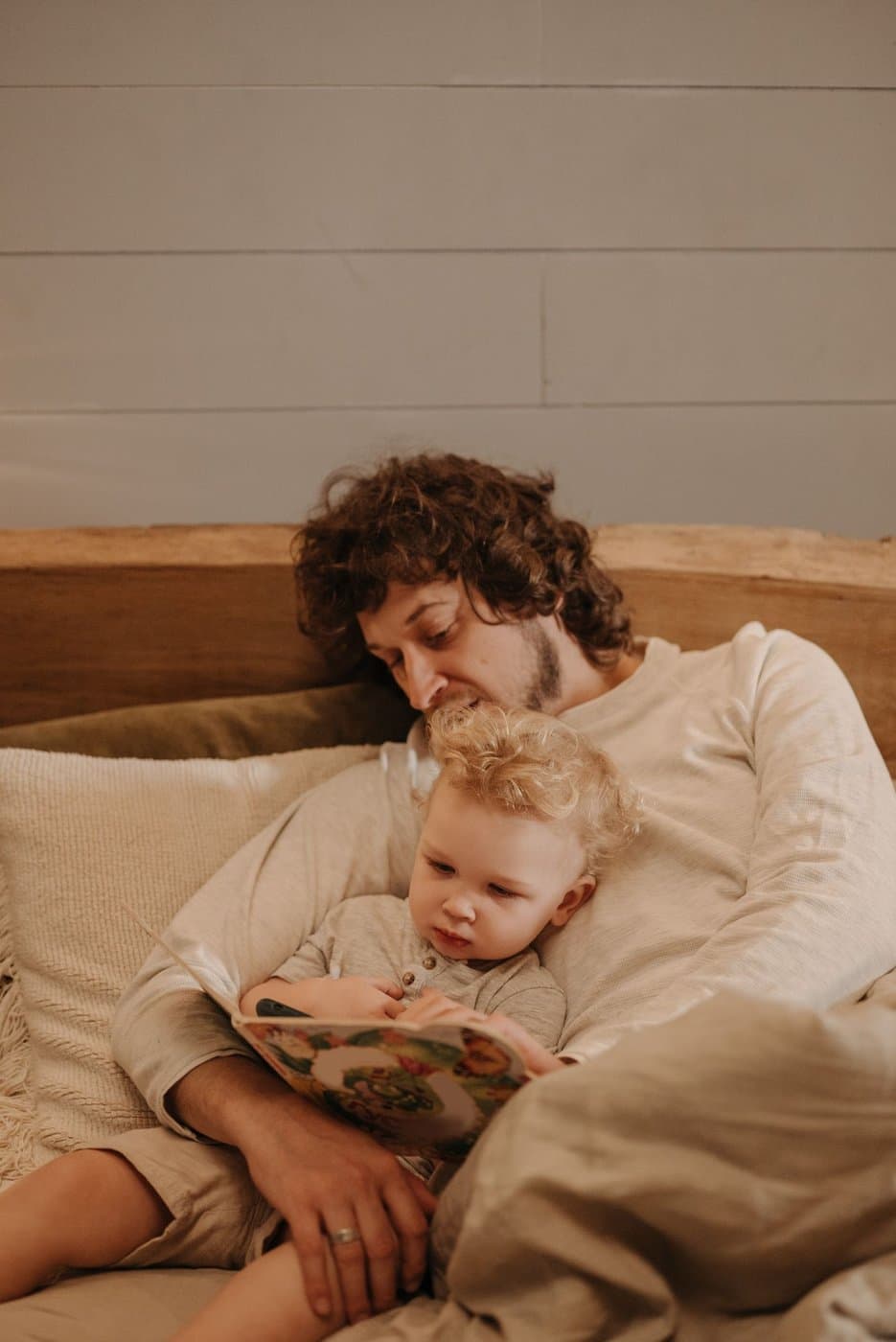
Father reading a book with his young son on the bed
Culture & Identity

How to Keep Language Alive at Home

Practical ideas for bilingual and heritage-language families without guilt, perfectionism, or treating fluency like the only proof of love.

Leah Chen · 7 min read

Grandparent using a tablet to stay connected with family at home
Baby & Toddler

The First Year With Baby When Family Is Far Away

Raising a baby an ocean away from grandparents, aunties, and the village you wish were next door.

Sofia Reyes Tan · 9 min read
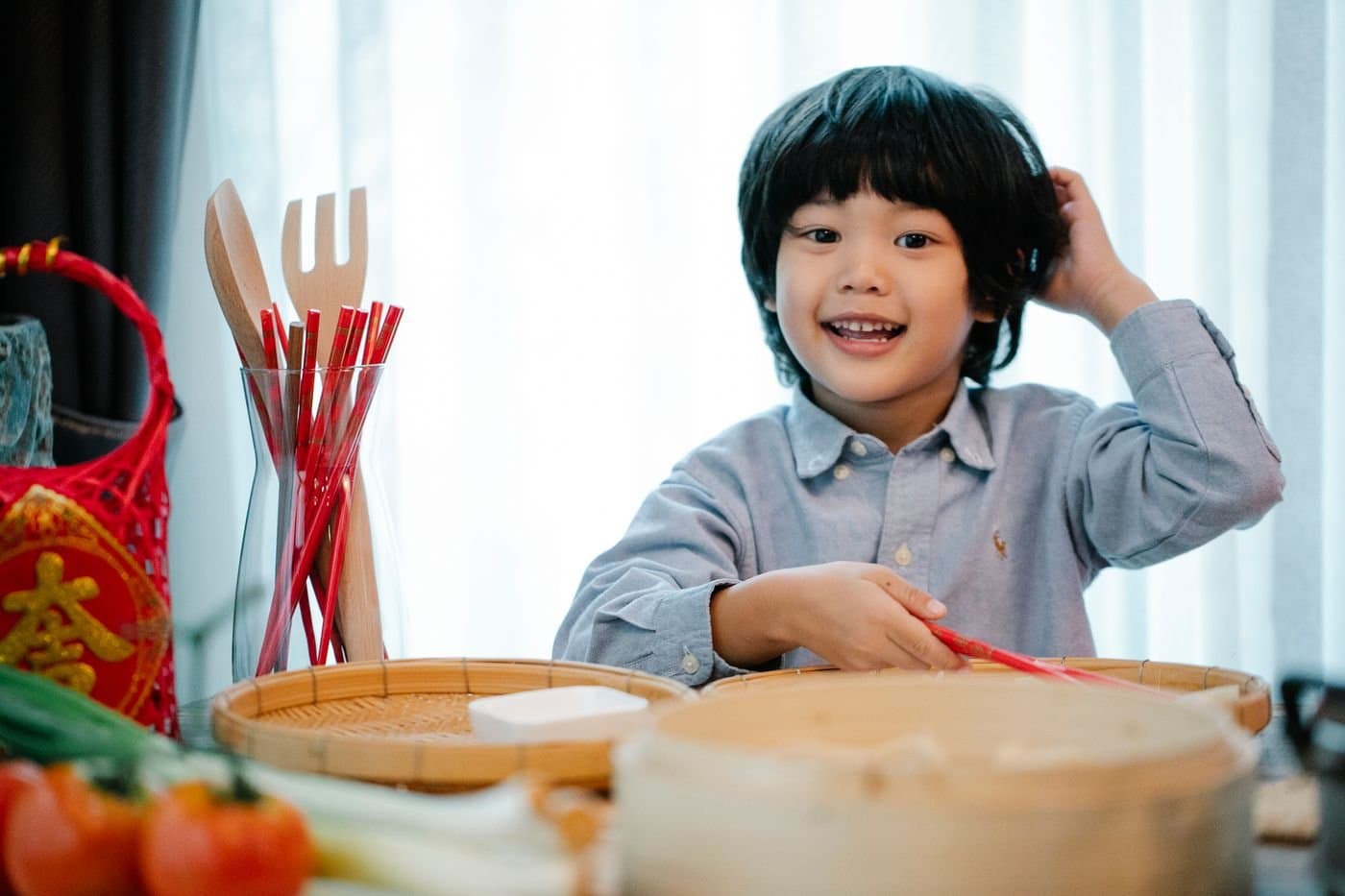
Child learning to use chopsticks during a festive family meal preparation
Culture & Identity

Building Family Traditions That Actually Fit Your Life

Creating rituals that honor your heritage without feeling performative, exhausting, or like you are failing a test every holiday season.

Yumi Sato · 7 min read
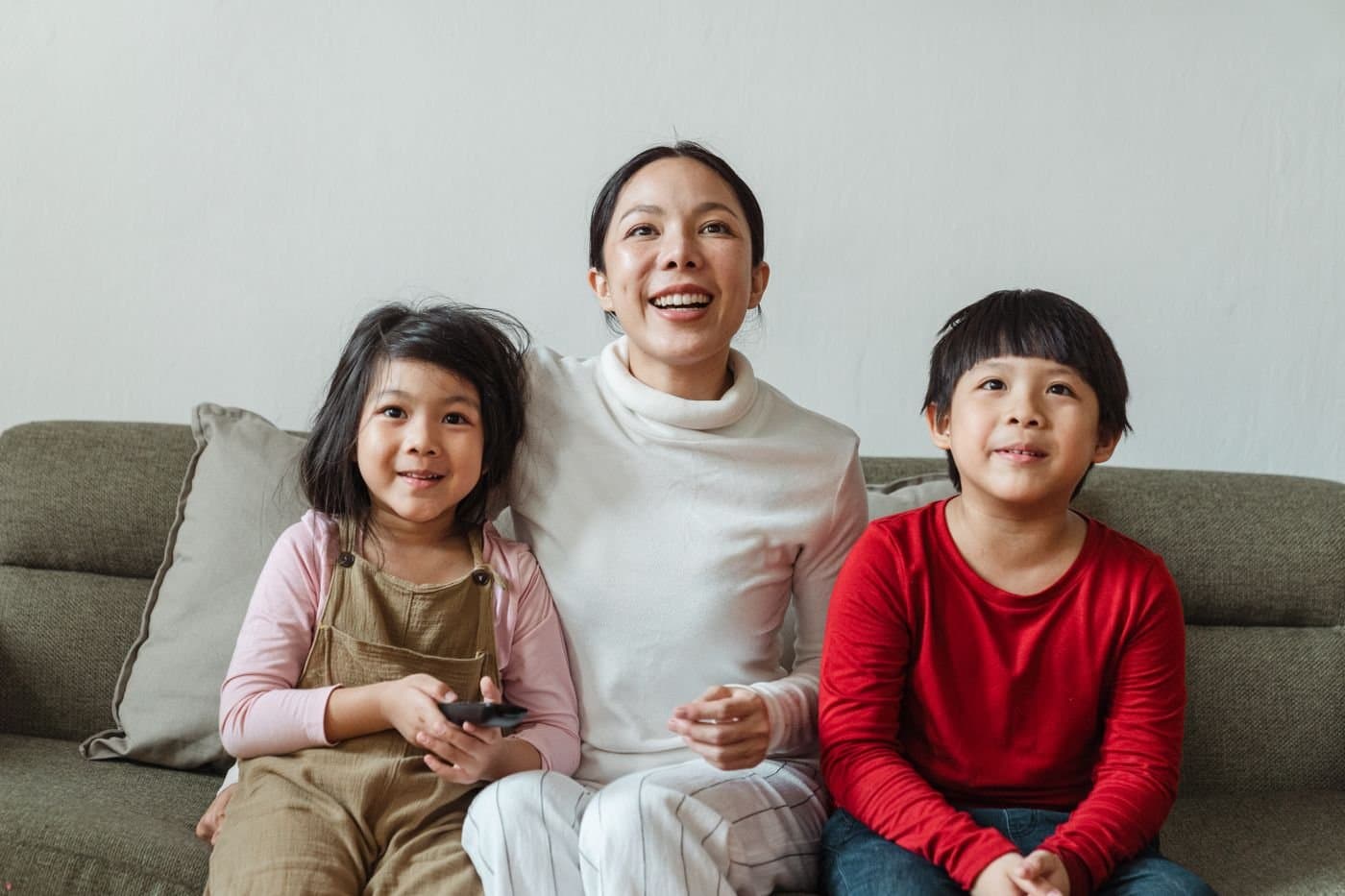
Mother relaxing on the sofa with her children at home
Food & Home

A Home That Feels Culturally Warm, Not Cluttered

Heritage at home does not require maximal decoration. How to create warmth, pride, and calm in spaces your family actually lives in.

Yumi Sato · 7 min read
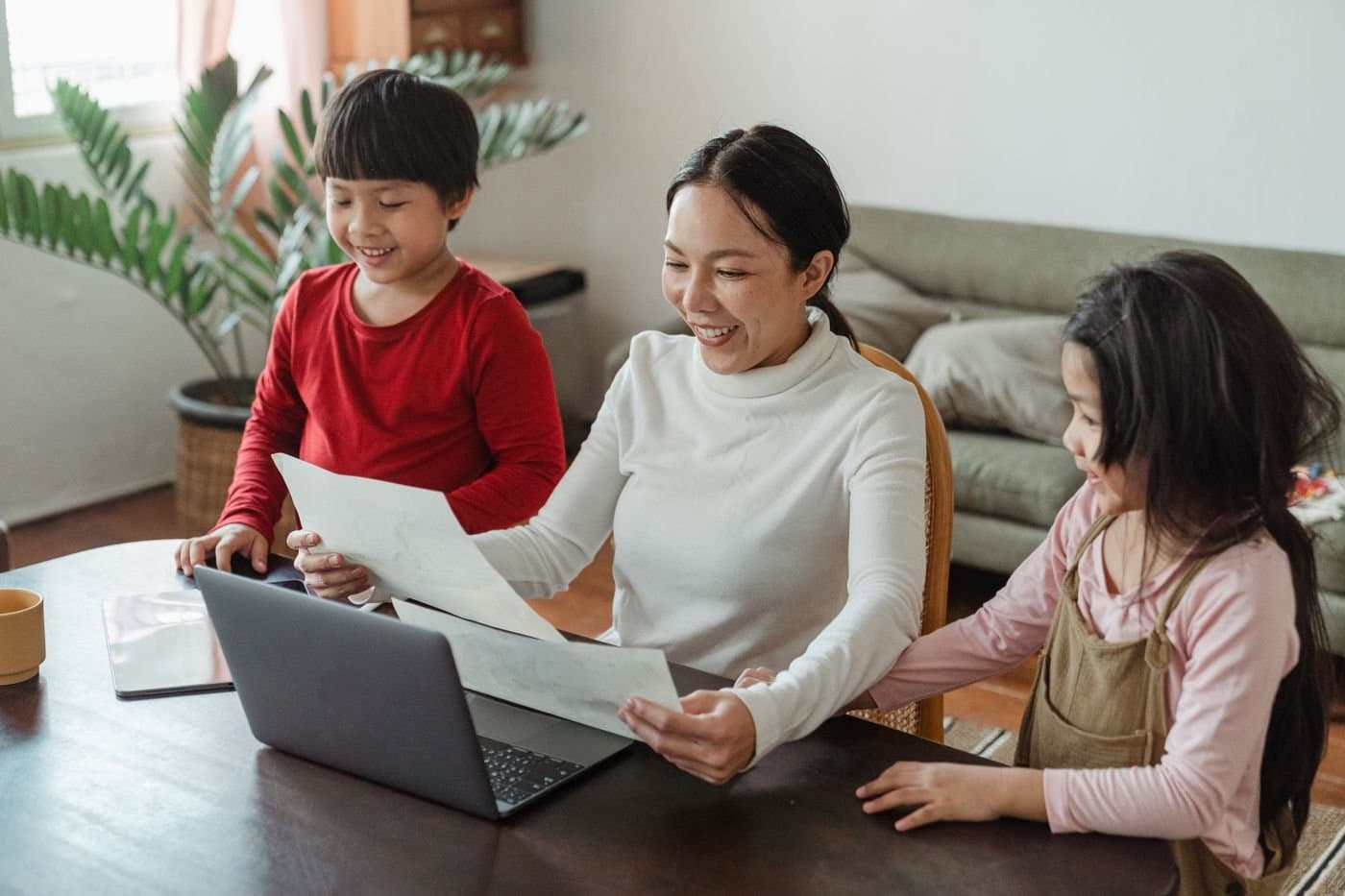
Mother talking with her school-age children at the dining table
Culture & Identity

How to Talk About Race and Identity With Young Kids

Age-appropriate starting points for conversations about skin tone, belonging, difference, and pride without overwhelming young children or yourself.

Leah Chen · 7 min read

Parent and child watching fireworks together on a summer evening
Family Planning

When Baby Celebration Expectations Do Not Match

Baby showers, gender reveals, full moon parties, and baptisms: how to navigate different celebration scripts without a family blowup.

Sofia Reyes Tan · 6 min read

Parents walking outdoors with young children along a sunny boardwalk
Mixed Families

Raising Kids With More Than One Culture

Helping children feel whole across cultures, skin tones, languages, and family backgrounds without treating identity like a checklist to finish by age ten.

Leah Chen · 7 min read

Browse all guides →