
Parenting in Korean American families
What may come up in family life
- The verb ending a child uses with a grandmother
- The first-birthday grab, a New Year bow, and whether your house sets an ancestor table
- Seaweed soup after a birth and on birthdays
- A hagwon schedule from relatives, and a U.S. week that can look different
- KakaoTalk, cousin envelopes, and comments about weight
- Adoptive and mixed households, where Korean may be chosen in this generation
Language and food
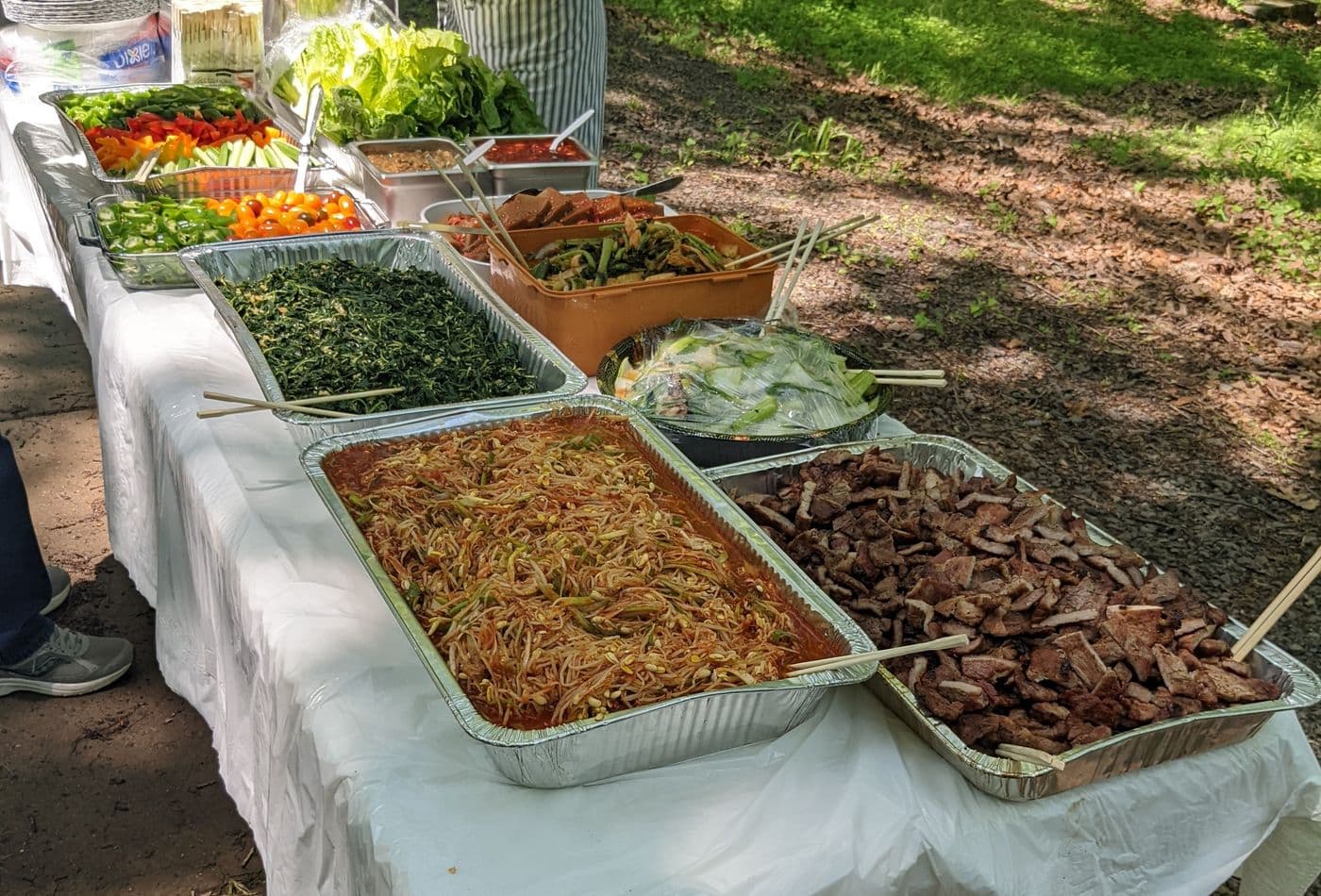
Korean puts age in the sentence. A child who asks for rice the way they talk to a sibling can sound blunt to a grandmother, even when the English in their head was polite. Before a visit, practice one line: 할머니, 밥 주세요. Then let the afternoon be snacks and faces. Pew's Census read puts the median age of U.S.-born Korean Americans at about 20, and 43 percent of that group is under 18. In many houses the parents grew up translating at the clinic for their own parents, then switched to English when their kids sat down to eat. A child may catch a scolding in Korean and answer in English. Seaweed soup, miyeokguk, is the bowl for the person who just gave birth, and the bowl many families still eat on birthdays. A school party can have cake too. Your mother's kimchi and your spouse's mother's kimchi will not match. The child will pick a favorite, and the recipe argument can stay at the table. If Saturday school or church is the only Korean in the week, keep the car ride short enough that the kid still wants to go. A show with the subtitles on is listening.
Grandparents and expectations
Halmoni may be the reason you can work. She may also mention the child's weight before the shoes are off. Thank her for the hours. Correct the comment in the moment, in a calm voice, so the child hears you do it. On Seollal, lunar new year, many families still do sebae. The younger person bows and says 새해 복 많이 받으세요, the greeting on the National Folk Museum's children's pages. Elders answer with a wish, and often an envelope. Agree on the amount with your partner before the cousins line up. Some Protestant families skip charye, the food table for ancestors, and hold a short memorial prayer instead. Others still set the full table. Tell the child which one your house does before anyone arrives. The first birthday, dol, is still a party, and the grab is the picture people keep. The National Folk Museum describes the old spread: rice cakes, fruit, noodles, and objects for the baby to take. Thread, a book, money, a brush. The museum's children's pages also mention a computer mouse or a phone. If the baby grabs the cash, someone will announce a banker. Laugh, take the picture, and let the afternoon move on. Seaweed soup is often on that morning's table, the same bowl from the birth. If elders want the new parent home for a few weeks with the pot on the stove, keep the soup when it helps. Change the rest of the plan when work or recovery does not match what they pictured. KakaoTalk is where the week gets assigned. A tutoring offer, a church retreat, a request to host. Answer after you have talked with your partner. You can thank them for the childcare and still decline the retreat.
School and identity
Korea's statistics office counted 29.2 trillion won spent on private classes for elementary, middle, and high school students in 2024. Per student, including children who took no classes, the monthly average was 474,000 won. Eight in ten of those students took a paid class, for 7.6 hours a week. English and math were the largest shares. Those hours are what a relative means by a normal week of hagwon, even when your Tuesday is soccer or empty. Korean public school starts in March. A child who moves in October is not late on that calendar, and you can say so when the comparison starts. If the grades look fine and the child is quiet at pickup, ask who they ate with before you ask about the test. Pew found that 60 percent of Korean Americans 25 and older have at least a bachelor's degree. That number describes adults. It is a heavy thing to set in front of a third-grader. Tell them the degree is not rent they owe the family.
Mixed and multiracial family notes
Pew's fact sheet says people who identify as Korean alone, and no other race or Asian origin, are 72 percent of the Korean population it describes. The rest are Korean in combination with something else. A child who hears they look less Korean at a reunion, or so Korean at school, can answer later, at home. You can tell them the comment was about the speaker. If you were adopted, there may be no Korean-speaking grandparent in the kitchen. A pot of soup and one greeting is a real start. When one parent did not grow up with these tables, walk them through the bow and the envelope before the door opens, and tell them a short verb can land wrong even when the child meant to be polite.
Recommended guides
A few starting points from our library for this part of family life.
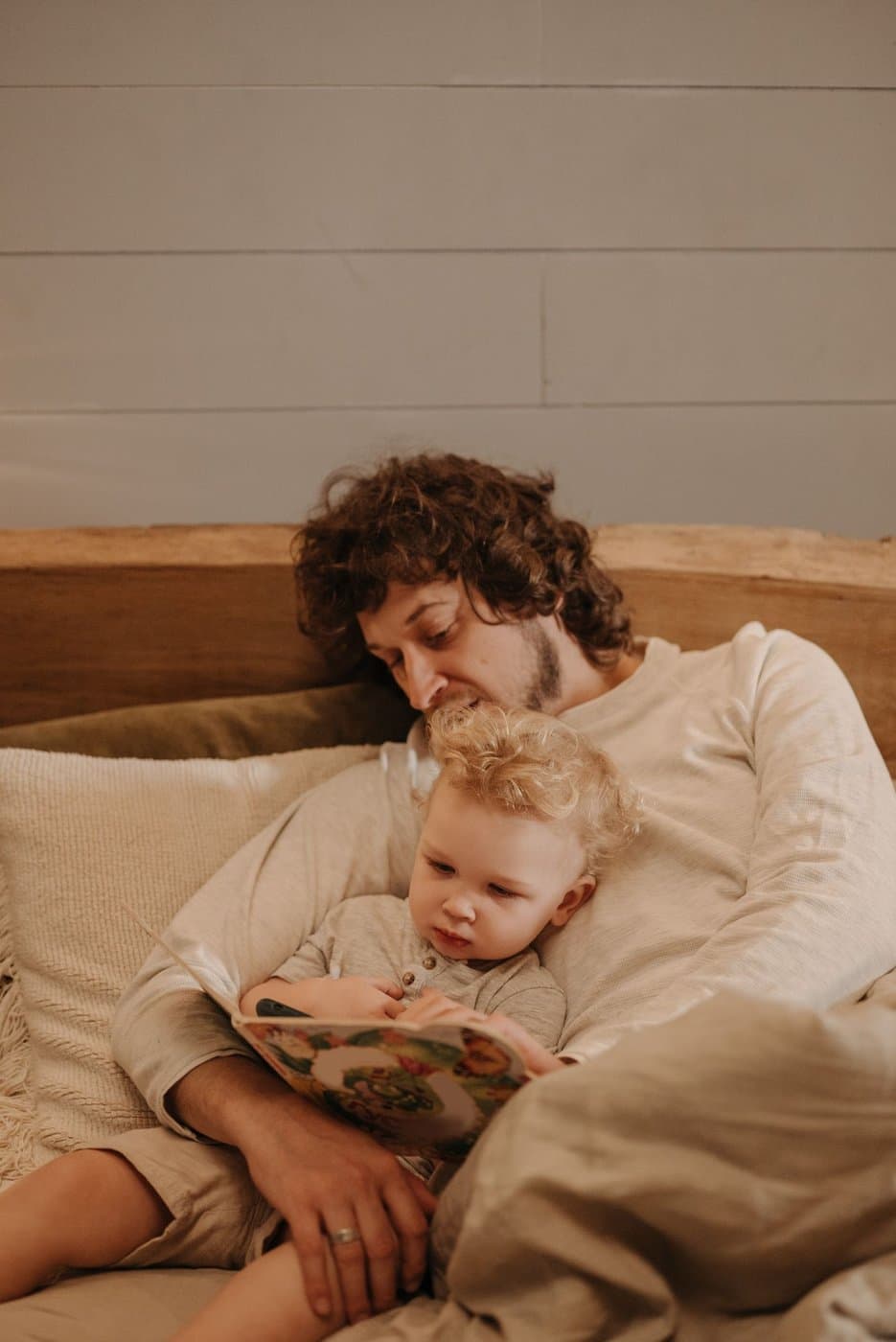
How to Keep Language Alive at Home
Practical ideas for bilingual and heritage-language families without guilt, perfectionism, or treating fluency like the only proof of love.
Leah Chen · 7 min read

When Tutoring and Enrichment Start to Feel Like an Anxiety Spiral
Extra help can be useful. It can also multiply when fear is driving the schedule. How to tell the difference and step off the spiral.
Grace Liu · 6 min read
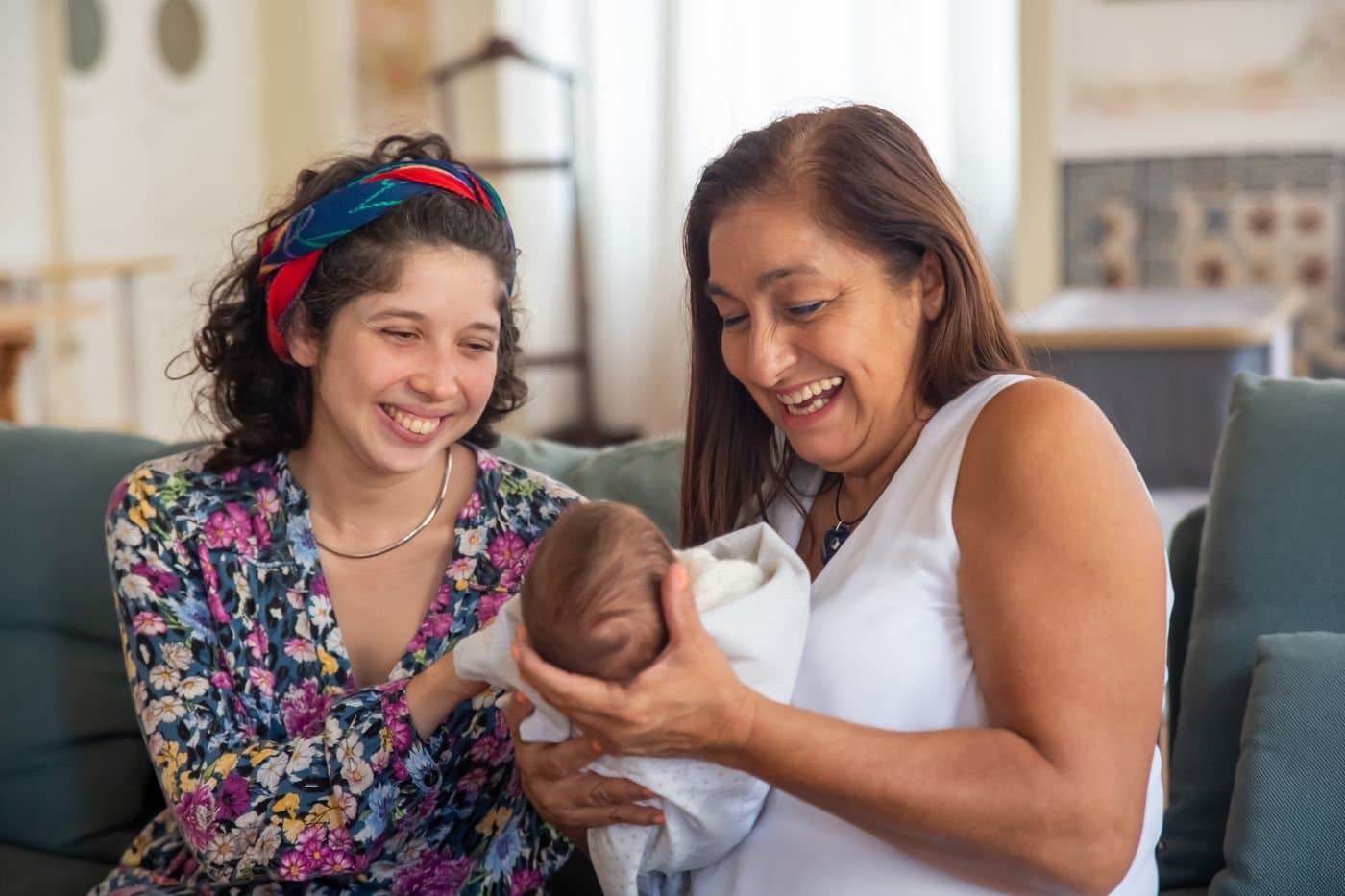
How to Set Boundaries With Grandparents
Scripts and frameworks for diaspora families setting visit limits, childcare rules, and pushback on advice—from drop-ins and weight comments to in-laws who help daily.
Mina Han · 9 min read
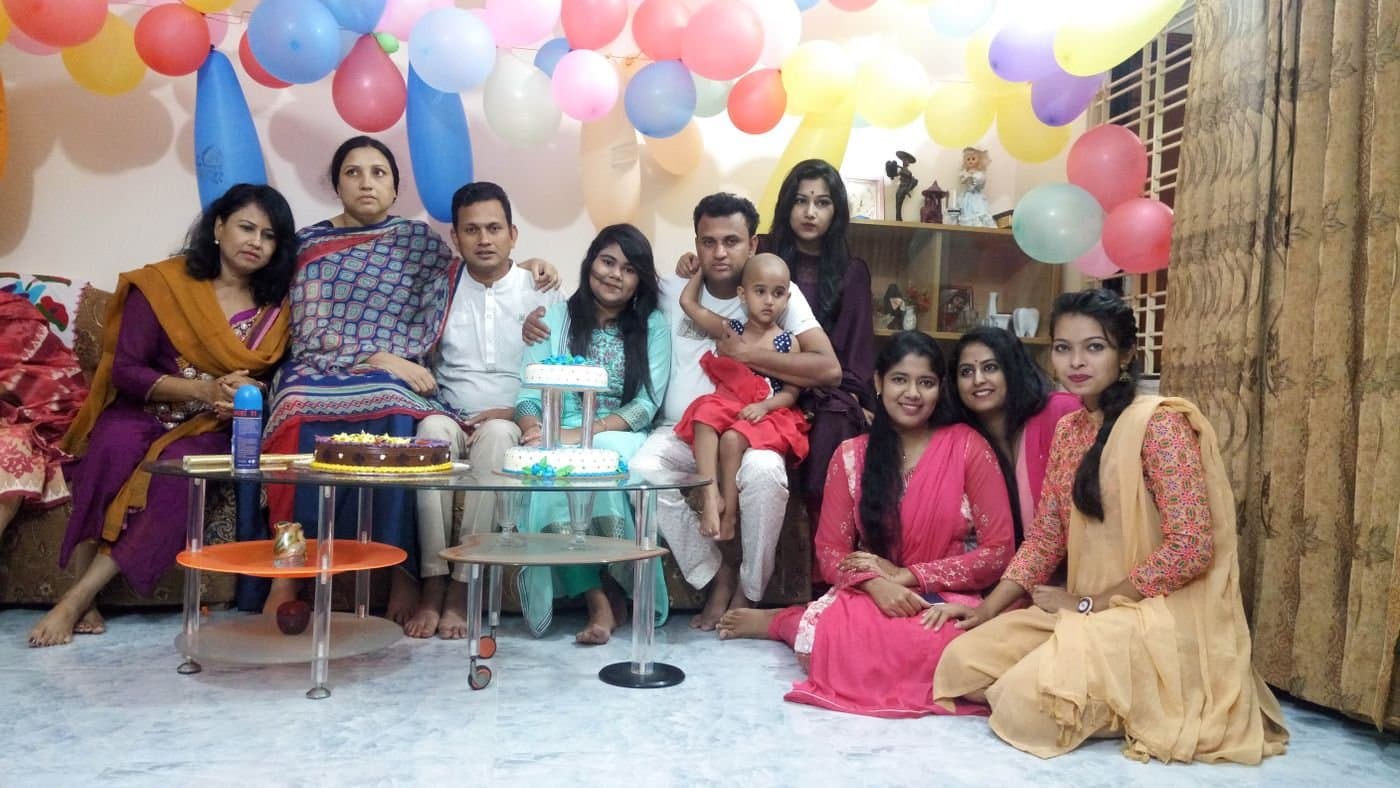
Navigating In-Laws, Childcare, and Expectations
When elders want to help and you need boundaries, a practical guide to aligning with your partner and finding balance between gratitude and autonomy.
Anjali Mehta · 7 min read

Education Without Turning Childhood Into a Resume
How to honor your family's belief in education without letting every childhood year feel like preparation for a college application.
Grace Liu · 8 min read

The First Year With Baby When Family Is Far Away
Raising a baby an ocean away from grandparents, aunties, and the village you wish were next door.
Sofia Reyes Tan · 9 min read

When Aunties Comment on Your Child's Weight
Comments about thinness, chubbiness, and eating start early at family tables. How to shield your child and reset the room without starting World War Three.
Anjali Mehta · 7 min read