
Family Vlogging and Your Kids (When the Audience Was Never Asked)
The camera is always out. Birthday becomes B-roll. Tantrum becomes thumbnail. Your child learns to perform before they learn to refuse.
"Family YouTube channel ethical" and "mom vlogger exploiting kids" searches come from a real tension: income, community, and a child who cannot consent to a permanent audience. This guide cites research on sharenting and kidfluencers without moral panic, with scripts to stop or limit filming.
Mina Han writes about family life, school years, and the emotional weather of raising kids between cultures.
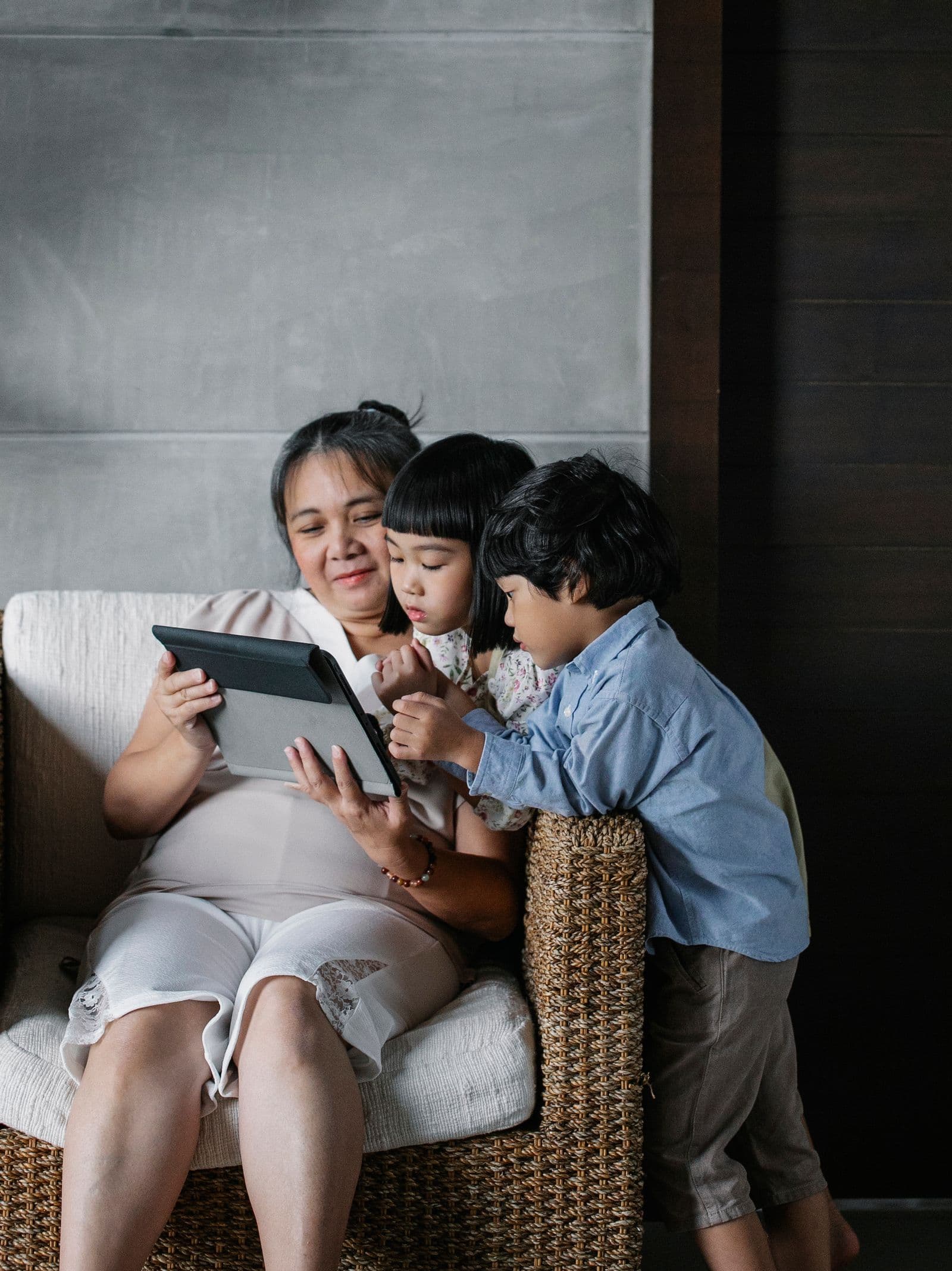
Why family vlogging feels different from a photo album
"Should I start a family YouTube channel" and "husband wants to vlog our kids" searches often start with money or loneliness: SAHP isolation, immigrant family far away, side income dreams.
Family vlogging is not a private scrapbook. It is ongoing performance with metrics, comments, and strangers who feel entitled to judge your parenting.
Children featured heavily may learn that love and safety coincide with being watched. Distress that gets views can get repeated. Quiet moments may feel worthless.
You can love your relatives who vlog and still protect your child from becoming content.
What research and policy discussions flag
Not every clip harms a child. Risk rises with volume, permanence, monetization, and lack of off-camera life:
| Factor | Lower risk | Higher risk |
|---|---|---|
| Audience | Private group chat | Public channel with comments open |
| Frequency | Occasional milestone clip | Daily filming, home always staged |
| Content | Cooking, language lesson | Tantrums, potty, medical updates |
| Money | No child-linked income | Family bills depend on kid's on-camera behavior |
| Consent | Child can say stop, you stop | Filming through tears because it is content |
ABA Jurimetrics and psychology summaries emphasize structured limits where child acting has rules; family vlogging often lacks them.
Diaspora pride vs child privacy
Immigrant families may vlog to prove success abroad, teach heritage language, or stay connected with relatives who cannot visit.
Restaurant or shop social accounts featuring kids as mascot blur business and childhood.
Pride is real. So is the cousin who asks why your daughter is always on camera looking exhausted.
Offer elders substitutes: private monthly video for family only, no public comments, child's face optional.
Posting kids online sharenting boundaries guide pairs for relatives who post without a channel.
If your partner wants to vlog and you do not
This is a co-parenting veto conversation, not aesthetics.
Agree hard nos: meltdowns, bathroom, school pickup with name visible, medical issues, other children's faces.
Cap filming hours per week. No filming on bad days without check-in.
Put child earnings (if any) in protected account for the child, not family slush fund. Policy debates on kidfluencer pay vary by state; consult a lawyer if income is significant.
If partner dismisses you, that is Third Person dynamics without in-laws: your marriage prioritizes audience over your child's no.
If you already have a channel
Audit: What would embarrass them at 16? Delete or unlist.
Ask school-age kids what they want removed now, not later.
Turn off comments on kid-heavy videos or disable channel until they choose.
Shift to faceless content (hands cooking, language lessons) if heritage teaching matters.
Stopping does not erase past posts; archive thoughtfully and tell kids you are changing rules.
When relatives vlog your child
No filming clauses at parties: "Photos OK, no YouTube or TikTok with our kids."
If they monetize your child's face, escalate beyond polite ask.
Document for custody or harassment if needed.
Teen wants childhood photos deleted guide helps when older kids push back on years of family content.
Questions we hear
Income and ethics get tangled fast when the whole family is on camera. These are the tradeoffs readers wrestle with.
Is family vlogging abuse? Not automatically. Harm scales with volume, monetization, ignored "stop filming," and whether your child's distress becomes content. Occasional private clips to relatives is a different universe from a public channel with comments open.
Are kid reaction channels illegal? Laws are uneven and evolving, especially in the U.S. Ethics still matter even where law lags. Ask what your child would say at sixteen about today's thumbnail.
Can kids sue parents later? Some states are exploring protections for child influencers. You cannot wait for law to catch up to minimize harm now.
What about educational content? Smaller audience, child assent, no humiliation framing, and real off-camera life help. "Educational" is not a free pass for daily exposure.
Will we lose income if we stop? Possible. Weigh this month's ad revenue against your child's long arc, privacy, and trust. Many families find other income once the camera stops ruling the house.
Further reading
- When Relatives Post Your Kid Online (Sharenting Boundaries That Stick)
- Posting Your Kid's Meltdown for TikTok (Discipline Content and Public Shame)
- When Your Teen Wants Childhood Photos Deleted (Sharenting Reckoning)
- Your Child's Photo Was Used for AI Deepfakes (What Parents Can Do Now)
- Family Group Chat Drama (Screenshot Wars, Side Chats, and When to Mute Forever)