
Screen-Time Guilt: What the Evidence Actually Says (Without the Lecture)
You read that screens rot brains. You also need seventeen minutes to chop dinner while your toddler screams. Both things are true, and the internet wants you to feel like a monster for the second one.
Parent screen-time panic is moral outrage turned inward. The American Academy of Pediatrics now emphasizes quality, sleep, and crowding-out over a single hour count. This guide helps you build a plan that survives relatives, commute days, and honest exhaustion.
Mina Han writes about family life, school years, and the emotional weather of raising kids between cultures.
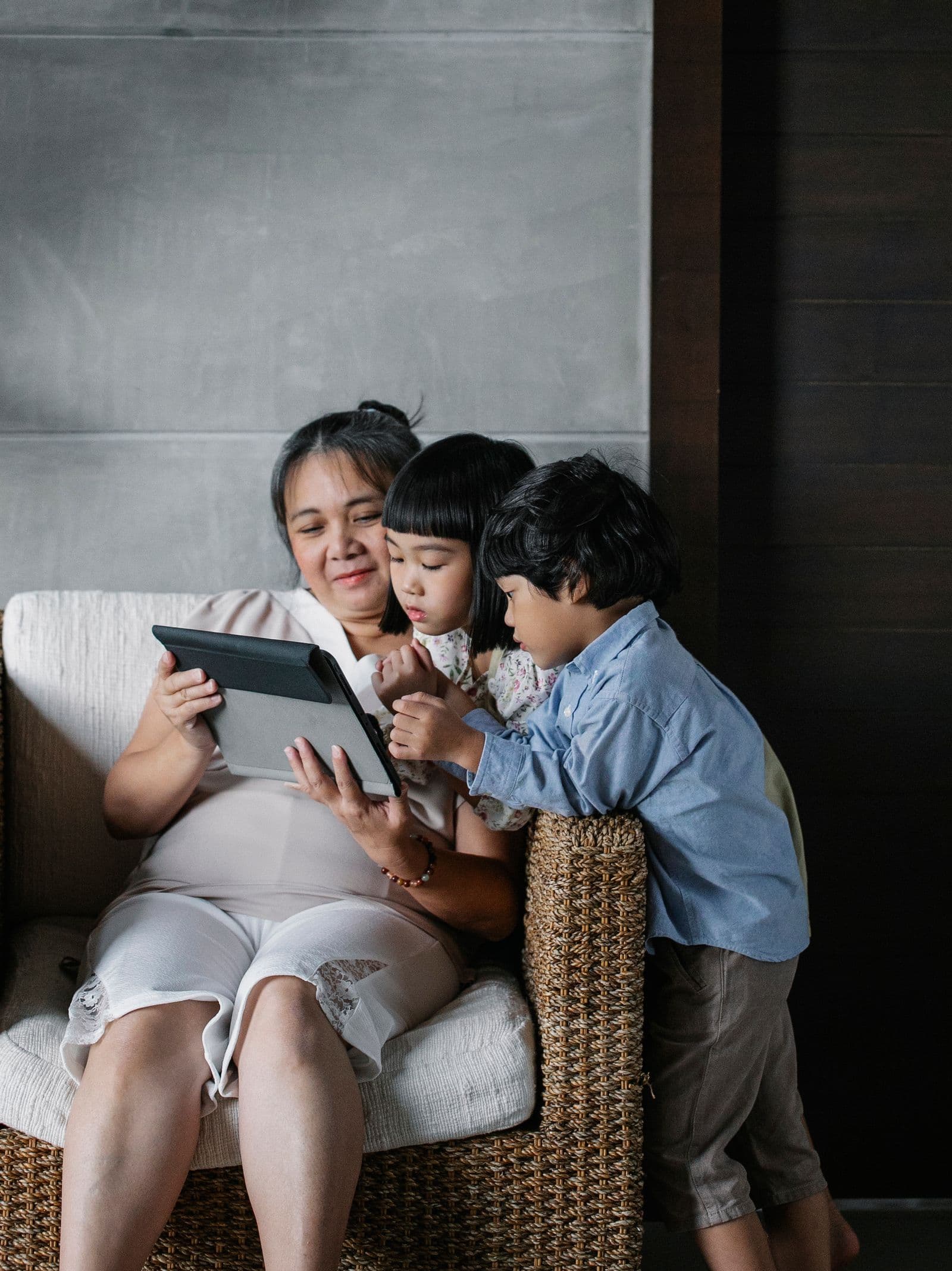
Why screen guilt hits so hard
"Am I ruining my child with iPad" searches come from love and fear, often after a relative says you are too American or a headline says TikTok rewires brains.
You are parenting in an environment no elder had: algorithmic video, infinite scroll, and school devices you do not control.
Guilt without a plan becomes either unlimited screens or shame spirals every time you need a break. Neither helps your kid.
What changed in expert guidance
The AAP moved away from a simple two-hour rule for everyone. Current framing:
| Age band | Guidance summary | Parent takeaway |
|---|---|---|
| Under 18 months | Avoid solo screen media except video chat | FaceTime grandma OK; solo Cocomelon marathon, no |
| 18 months to 2 years | If introduced, high-quality, co-viewed, short | You watch together, talk about it |
| Preschool 2-5 | Limit non-educational time; favor slow, interactive content | Weekday cap + weekend flexibility common |
| School age+ | 5 Cs: quality, sleep, play, calm, communication | Hours matter less than what gets crowded out |
See AAP HealthyChildren.org family media plan tool for templates.
What kids are actually doing (U.S. snapshot)
Common Sense Census data for ages 0-8 show heavy YouTube use, rising short-form exposure, and parents who both rely on and worry about screens.
Surveys in the parenting media ecosystem often find large majorities of parents worry about content and attention, while roughly half also feel current use is "about right" for their family.
Translation: you are not the only conflicted parent. The goal is intentional defaults, not purity.
Build a family media plan that fits real life
Write:
Screen-free zones: meals, bedtime hour, car (if you choose), parent bedroom.
Allowed windows: post-nap show, Saturday morning, sick days.
Content rules: no open YouTube; PBS or downloaded episodes; co-view when possible.
Parent rules: phones down at bedtime routine; no filming meltdowns for group chat.
Review quarterly. Toddler needs differ from second grader.
Post the plan on the fridge next to grandparent childcare sheets.
When you need the iPad to survive
Survival use is not moral failure. Chronic survival use without a plan is worth fixing.
Batch hard tasks during one allowed window instead of random handoffs all day.
Swap with partner, audio books, water play, or short outdoor breaks when possible.
If guilt keeps you awake, adjust the plan instead of swearing off screens forever tomorrow morning.
Grandparents and the "we raised you fine" line
Their TV era was not today's autoplay rabbit hole. Still, respect matters.
Use duty language: "Sleep is hard. We need this plan tonight."
Point to pediatrician if needed: "Doctor asked us to limit solo screens before age two."
Full scripts in grandparents undermine screen time rules guide.
Modern Family Pressure hub collects feed-related fights in one place.
Questions we hear
Guilt searches spike after one bad week, not after one bad childhood.
Did I already damage my toddler? Evidence is about patterns over years: always alone, always frantic, no off switch. One rough month during illness or a move is not destiny. Change the pattern you can change now.
Are educational apps always fine? Quality varies wildly. Co-watching and talking beat solo gamified drills for young kids. "Educational" on the store label is marketing, not a pediatric seal of approval.
School gives iPads. Now what? Align home rules with teachers where you can. Advocate for offline homework when possible. You cannot control the district; you can control evenings and weekends.
Partner allows unlimited screens? United front helps kids; documented split rules help divorced or conflict-heavy homes. If your partner undermines you daily, that is a partnership problem bigger than screen time.
When is it a clinical issue? If withdrawal tantrums destroy sleep, safety, or family life for many months, ask your pediatrician. One epic meltdown when you said no to YouTube is not automatically a disorder.
Further reading
- Family Vlogging and Your Kids (When the Audience Was Never Asked)
- When Parents Think You Are Spoiling the Baby
- When Relatives Post Your Kid Online (Sharenting Boundaries That Stick)
- Posting Your Kid's Meltdown for TikTok (Discipline Content and Public Shame)
- Family Group Chat Drama (Screenshot Wars, Side Chats, and When to Mute Forever)
Social media is not the same as Bluey
Teens and tweens need different conversations (coming in marriage-under-new-rules cluster for partner conflicts about platforms).
For young kids, the urgent fights are usually YouTube, tablets at restaurants, and relatives filming for WhatsApp.
Separate platforms: passive video vs interactive games vs video calls.
Monitor content, not only minutes. AAP stresses what they watch and with whom.