
Is Heritage Weekend School Worth It?
Tuition is the easy part. The real math is Saturdays, homework fights, grandparent opinions, and whether the program matches what you actually want your child to learn.
Heritage weekend schools (Saturday Chinese, Korean, Hindi, Arabic, and more) are not the only way to pass down language. This guide explains what they are, cites real tuition ranges, and helps you trial or quit without shame.
Grace Liu writes about education, school choice, and raising kids in families where achievement matters but childhood still deserves room to breathe.
What heritage weekend school actually is
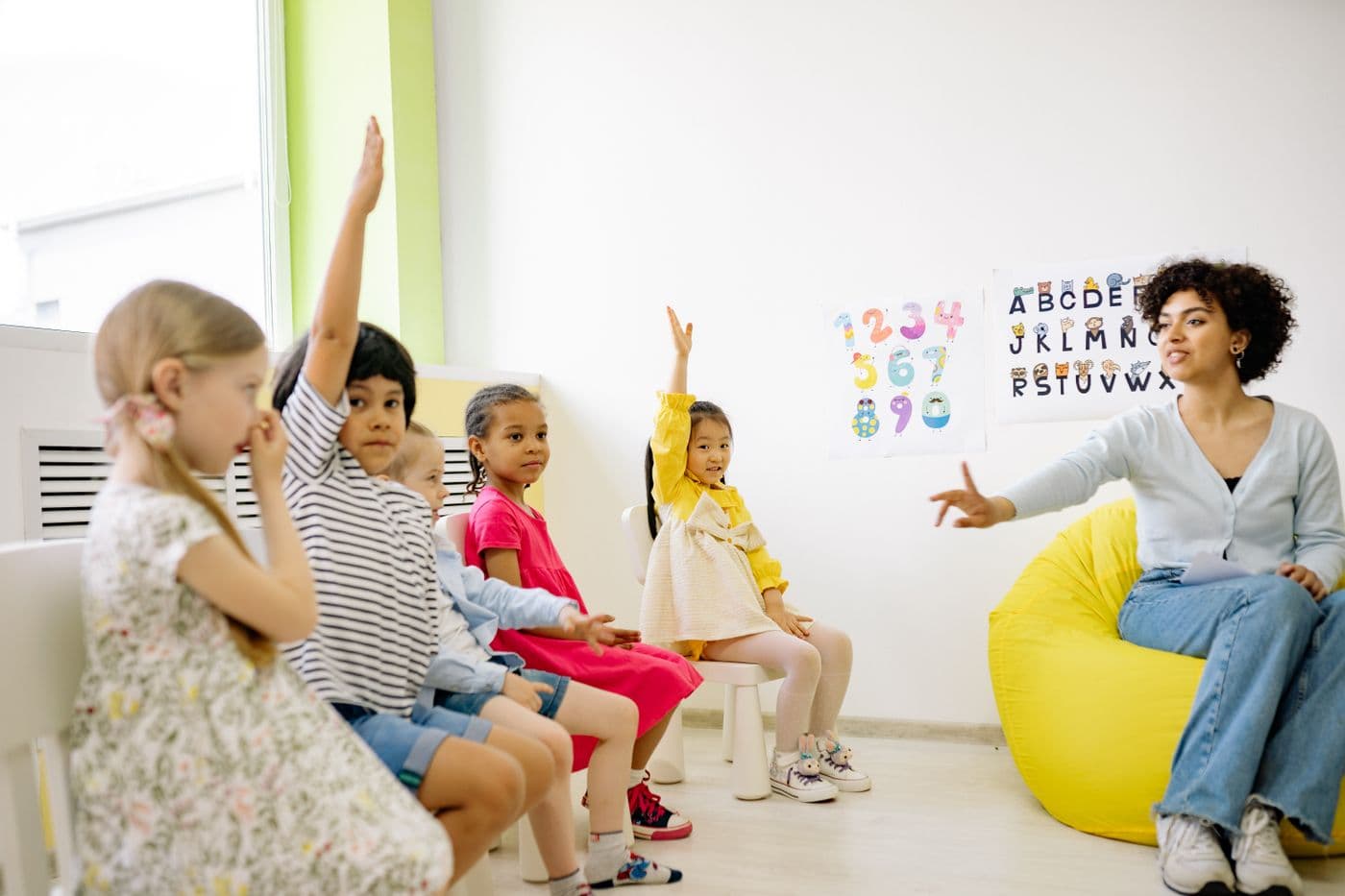
Heritage weekend school, also called complementary school, community language school, or Saturday/Sunday school, is usually a nonprofit or church-affiliated program that meets outside regular public school hours. Families send children to build literacy and conversation in a heritage language (Mandarin, Cantonese, Korean, Hindi, Vietnamese, Arabic, and others) and sometimes to learn cultural rituals, religion, or exam prep.
It is not the same as a bilingual immersion day school. Weekend programs are typically two to four hours on Saturday or Sunday, September through May, with homework added on top of weekday school. In the U.S. and Canada, many grew out of immigrant churches, cultural associations, or volunteer parent boards, not district curriculum.
The Center for Applied Linguistics notes that community-based heritage programs often struggle with enrollment and retention because students already juggle sports, tutoring, and social life. That does not mean weekend school is useless; it means you should choose with a clear goal, not because cousins enrolled.
Start with one question: what are you buying?
Weekend programs promise different outcomes: reading characters, conversational fluency with grandparents, religious instruction, college-prep competition, or simply a room where your child is not the only Asian kid in the building.
If your goal is reading, a structured literacy track may fit. If your goal is joy on video calls with Gong Gong, a play-based program, or no school plus home rituals, may fit better. If your goal is magnet-school advantage, be honest that culture may be secondary to your stress.
Write the goal in one sentence before touring programs. "I want my child to video call Grandma in Tamil without shame" is a different purchase than "I want native-level reading by middle school." Our guide on keeping language alive at home covers the no-school path in depth.
Example programs in major metros (verify fees annually)
Names and tuition change every year; treat this table as an orientation map, not a price quote. Visit twice before enrolling: open house and an ordinary Saturday.
If you are comparing Saturday options in one metro, start with the Seattle, Bay Area, New York, or Los Angeles schools and daycare planners, then verify fees on each school site.
| Metro | Example program | Format (typical) | Published tuition (approx.) |
|---|---|---|---|
| Los Angeles | Tzu Chi Academy, Los Angeles | Sunday 9 a.m.–12 p.m.; Mandarin + culture | About $640/year including textbook; ~$40 registration (2026–27 listing) |
| New York | Tzu Chi Academy, New York (Flushing/Oakland Gardens) | Saturday morning Mandarin classes | About $550/year (2026–27 listing) |
| San Francisco | SF Chinese Bible Church Chinese School | Sunday 10 a.m.–12 p.m.; Cantonese & Mandarin | About $55/year including books (2025–26 listing) |
| Houston | CBC Chinese School (Chinese Baptist Church) | Sunday afternoon; Cantonese & Mandarin | About $300/year fall + spring (2025–26 listing) |
| DFW | Lone Star Chinese School (Keller/Plano area) | Saturday classes; multiple levels | About $235–$420 per 8-week block depending on frequency (2026 summer listing) |
| Seattle | United Seattle Korean School (USBKS) | Saturday Korean heritage program | Confirm current semester fees on registration (books/PTA often extra) |
| Houston | Houston Korean School | Saturday Korean classes | About $280–$290/semester first child (textbooks included) |
| Toronto | Toronto Mandarin School | Weekend and weekday tracks; multiple campuses | About $980–$1,550/year depending on program (published rate cards) |
| Vancouver | Vancouver Chinese Presbyterian Church Language School | Weekend Chinese classes | About $260/year tuition plus textbook fees (published schedule) |
Sources: school websites and registration pages (Tzu Chi LA/NY, sfcbc.com, cbchouston.org, learnchineseindfw.com, houstonkoreanschool.com, torontomandarinschool.com, cpc language school pages). Confirm current fees before enrolling.
Rough cost ranges (and the hours nobody puts in the brochure)
Tuition alone understates the bill. Add registration fees, textbooks, PTA dues, parking, gas, lost birthday parties, and your own Sunday-night homework enforcement after a full work week.
| Cost type | Typical range (U.S./Canada metros) | Notes |
|---|---|---|
| Tuition only | $50–$1,600/year | Church-affiliated programs at the low end; multi-campus metro schools higher. |
| Registration & materials | $20–$100/family + $15–$70/student books | Often non-refundable; sibling discounts common. |
| Parent volunteer hours | 0–40+ hours/year | Some schools require service; price that into your calendar. |
| Family time | 3–6 hours every Saturday or Sunday | A child already in weekday tutoring may have no unscheduled hour left. |
Ranges compiled from published 2025–2027 fee schedules cited above. Affluent families still feel the schedule cost even when tuition looks modest.
Where weekend school makes more sense
Weekend programs tend to earn their slot when: you live in a suburb with few heritage peers; your child wants friends who understand Lunar New Year without a slideshow; the school offers warm teachers and visible progress without tears; and the schedule still leaves rest.
They are a harder sell when: your child already resists (see our guide when your child does not want heritage school); the program shames beginners; both parents work six-day weeks; or you are stacking school on top of multiple tutors "just in case." Research on weekly heritage language instruction finds attendance can support literacy while enrolled, but effects may fade after attendance stops, which makes home warmth and low-pressure use between classes critical.
In dense ethnic enclaves (parts of Flushing, Monterey Park, Surrey), grocery-run exposure and playmates may reduce the need for formal Saturday class. In spread-out metros (Plano, Bellevue, Vaughan), school may be the main peer pool for heritage language.
Program quality varies more than reputation
A famous weekend school can feel like shame and drills. A small church class can feel like warmth and games. Watch ordinary classes: Do kids look scared or engaged? Is heritage language used for connection or public shaming when homework fails?
Ask parents whose kids resemble yours, not only the ambassador the school selects. Ask what they quit and why. If your child is mixed-race or beginner-level while peers inherited fluency at home, ask how teachers handle difference. Shame is where many kids leave language behind for a decade.
The Frontiers study recommends keeping literacy practices that correlate with reading gains while making homework age-appropriate, not eliminating it, but not treating suffering as proof of respect.
When staying is worth it
Stay when your child has genuine friends there, teachers praise effort, progress shows without weekly dread, and you still protect unstructured time. Pair school with low-pressure home use, music, cooking, calls with elders, so class is not the only place culture lives.
If school is working, resist stacking extra tutoring on top "just in case." Success without sleep is still a loss. Our education-without-childhood-resume guide names the broader pattern of over-scheduling.
When pausing or quitting is the right call
Weekly dread, Saturday stomachaches, or language associated with punishment means the tool is broken, not your child, not your heritage. Alternatives: one-hour tutor, online classes with shorter sessions, summer immersion, relatives on video, travel, playgroups, heritage camps.
Tell grandparents: "We are pausing to protect love of the language." Bring a replacement plan, Sunday cooking, calls with Po Po, so pause reads as strategy, not surrender. If relatives fund tuition, clarify strings before accepting; paid tuition with veto power over your parenting rarely ends well.
Questions worth asking before you sign the form
Do we have a clear goal for this year? If not, wait, vague anxiety purchases programs.
Can we sustain this schedule for nine months? If not, choose a lighter option or home exposure first.
Does our child have a friend or warm teacher in the building? Belonging predicts retention better than lectures about future jobs.
What happens if we pause mid-year? Know the policy before you need it.
Are we enrolling because we fear cousins' schedules? Read our tutoring-spiral guide before adding another obligation.
Can culture live at home even if we skip school? Usually yes. Fluency at twenty-five still happens for kids who quit at ten but kept warmth, and bilingual baby routines without perfection is where many families start.