
Modern Fatherhood and the Silent Dad
Silence kept some families stable. It also left many men lonely inside their own homes. You can be steady and still be known. Modern fatherhood rewards voice as much as provision, and your children are waiting to hear you try.
The silent dad was often a provider and protector. Modern fatherhood asks for more voice, more touch, and more repair. That update is possible at any stage, whether your kids are newborns or nearly grown, and whether you grew up in Seoul, Mumbai, Manila, or a suburb where no one talked about feelings at all.
Arjun Patel writes about practical fatherhood, marriage after kids, and money conversations that many men were never taught to have.
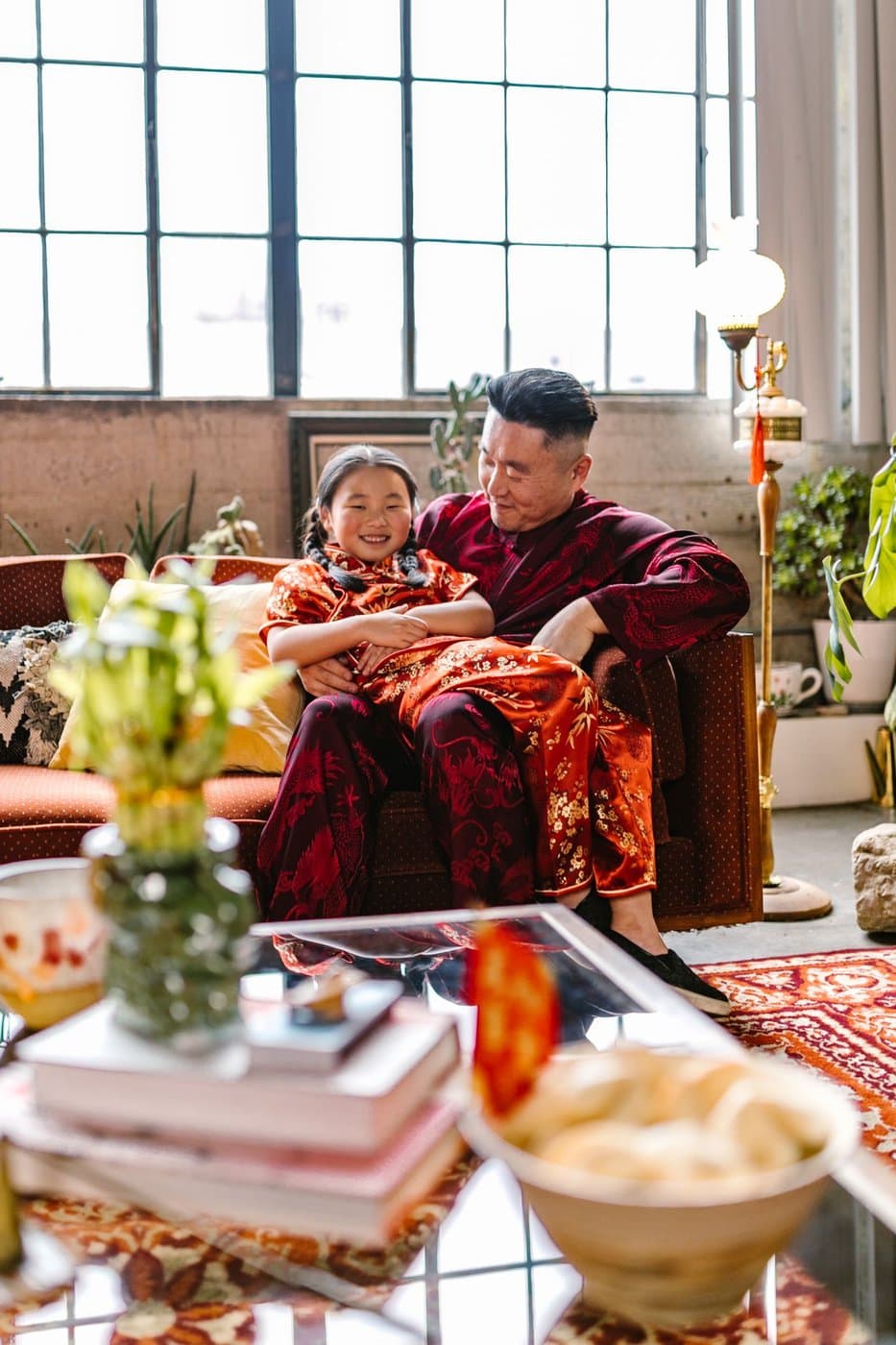
The silent dad archetype
In many Indian, Chinese, Korean, and Filipino families, the father figure was quiet authority. He worked, ate, watched news, corrected behavior, and showed love through provision. Conversations about feelings, school social life, or heartbreak often flowed through mothers.
You may have respected him. You may also have wished he asked one more question. Now you might be repeating the pattern while scrolling in the same room as your kids.
Silence was sometimes survival. Men were not given language for tenderness. Modern fatherhood still rewards presence, not only paychecks.
What silence costs children
Kids fill silence with stories. "Dad is mad at me." "Dad does not care what I like." "I cannot bother him." Those stories shape behavior long before adolescence.
Daughters may seek validation elsewhere. Sons may copy emotional distance. Both may approach you only for transactions: money, rides, signatures.
Breaking silence does not require becoming a talk show host. It requires predictable signals that you are reachable.
Money talk without emotional distance
Silent dads often excel at providing and struggle with explaining. Children may know you work hard without knowing what that means for the household.
Age-appropriate money talk builds trust. "We are saving for X." "We are choosing this vacation over that expense." Secrecy breeds anxiety.
Providing is not a substitute for presence. Kids need both when possible.
Marriage and co-parenting after kids
Silence can distance partners too. Your spouse may feel like a roommate managing logistics with you.
Schedule short check-ins about parenting, intimacy, and stress. Not only about bills and schedules. Ask, "How are you feeling about us this week?"
If conflict makes you go quiet, name that pattern. "I shut down when I feel criticized. I am working on staying in the room." Repair attempts matter.
Updating discipline for connection
Silent dads sometimes discipline through withdrawal or one sharp sentence. Kids learn fear, not reflection.
Pair limits with brief explanation and reconnection. "Here is why. I am still your dad. We are okay."
Discipline that ends in cold distance teaches children that love is conditional on compliance.
Cultural respect without freezing
You may worry that talking more makes you less respectable in elders' eyes. Respect in many communities still favors restrained men.
You can honor elders while choosing a warmer home culture. Respect does not require muteness at the dinner table.
Your children live in a world that will ask them to communicate. Updating fatherhood prepares them for that world.
If you never saw affection modeled
Start with low-risk affection: fist bumps, hair ruffles, proud texts, notes on mirrors, showing up at games without coaching from the car.
Physical affection can grow slowly. Verbal pride can start today. "I liked how you handled that."
Therapy and men's groups help many fathers build skills their dads never had.
Silent dads and mental health
Silence can hide depression, burnout, and rage. Men are often diagnosed later because feelings were never discussed.
If you are numb, irritable, or drinking more, get support. Your children benefit when you stay alive and present in every sense.
Asking for help is not failing the provider role. It is sustaining it.
Becoming a father your kids describe out loud
One day your child may describe you to a friend. You want more than "he was quiet but he paid the bills."
You want "he listened" or "he showed up" or "I could tell him hard things."
Modern fatherhood does not erase the silent dad you knew. It thanks him for what he carried and adds voice where the family needed more warmth. You can start that addition today with one honest question at the kitchen table.
Technology that deepens silence
Phones made it easier to be physically present and emotionally absent. Notice your default when you walk in the door.
Create small tech rules: no screens at kid bedtime, one meal without devices, notifications off during Saturday park time.
Children experience silence as rejection when your eyes stay on a screen.
Work identity versus father identity
Many men were praised only for productivity. Retirement or job loss can trigger identity collapse and more silence at home.
Build roles beyond employment: mentor, cook, volunteer, friend, learner. Fathers who know who they are without a title speak more easily.
Your child needs a person, not only a provider.
Aging parents and repeating patterns
You may become silent with your own aging parents while resenting their silence with you. Notice the mirror.
One sentence of warmth per call can break a chain. "I appreciate what you did for us."
Healing upstream and downstream at once is hard. It is still worth attempting.
Small weekly practices that stick
Pick one: Friday walk with a child, Sunday voice memo of something you admired about them, monthly date with each kid alone.
Consistency beats intensity. Silent dads often try one big talk, feel awkward, and quit.
Micro habits accumulate into a new reputation at home: Dad is someone who notices.
Reading and learning out loud
If talking freely feels hard, read articles or books about fatherhood with your partner and discuss one paragraph. External text gives structure.
Children also benefit when they see dads learn on purpose.
Growth is respectable at any age.
Apologizing to adult children
If your kids are already grown, it is not too late. "I wish I had talked more. I am here now if you want me."
They may need time. Offer patience without demand.
Repair can span decades.
Leaving a different inheritance
Silent dads often leave money and property. You can also leave emotional permission: letters, recorded stories, explicit pride.
Write one sentence of affection per child per month. File them.
Someday those sentences may matter more than accounts.
Voice memos and text habits
If speaking face-to-face is hard, send a thirty-second voice memo or a simple text. "Proud of you today."
Low-friction channels beat perfect conversations never started.
Start where your mouth can go today.
Community father figures
Invite uncles, coaches, or friends who model warm masculinity into your kids' lives.
Children learn from multiple men. You do not have to be the only example.
Village reduces pressure on one silent dad to transform overnight.
Annual reflection question
Once a year ask each child: "Did you feel like you could talk to me this year? What would help next year?"
Listen. Adjust one habit based on answers.
Fatherhood can be iterative when pride does not block feedback.
Dinner table habits
Put phones in a bowl. Ask one non-grade question per meal.
Silence at dinner becomes conversation slowly.
Ritual lowers the awkwardness of starting.
Praising effort in your own work
Talk about your job challenges aloud so kids see men process stress with words.
"Today was hard. I am proud I kept going." models emotional honesty without dumping on children.
Saying I love you out loud
If those words feel foreign, start with variants: "I am glad you are my kid." "I missed you today."
Verbal affection is a muscle. Repetition beats waiting for perfect sincerity.
Invitation to begin today
Pick one child. Ask one question. Listen for one minute longer than feels comfortable.
That minute is modern fatherhood entering the room. Repeat tomorrow without waiting for a special occasion or perfect mood.
Reading to kids at any age
Reading aloud is intimacy without confession. Choose stories with emotional arcs and comment lightly.
"That character looks scared" models naming feelings at safe distance for both of you.
Grandparents and the silent pattern
You may notice your father still silent with your kids. You can add words he never used without shaming him publicly.
Two generations can soften at once at the same dinner table.
Voice memos on birthdays
Record thirty seconds for each child every year. They may roll their eyes now and treasure it later.
Future them is part of the audience too. Silence today does not have to be silence forever, and your voice can grow steadier with practice over time.
You are not alone in this update
Many men are revising fatherhood at the same time. Find one friend who is trying too and compare notes without shame or competition about who changed first. Change is allowed to be slow, awkward, imperfect, and still real.