
When Relatives Compare Your Kid to Cousins at Every Dinner
The table is full of food and sideways scorekeeping. Your kid hears "Why can't you be more like your cousin?" before dessert, and you feel twelve again yourself.
Cousin comparisons are common at diaspora reunions, group chats, and holiday tables. This guide helps you protect your child's confidence, align with your partner, and set limits with relatives who treat family love like a leaderboard.
Anjali Mehta writes about marriage, in-laws, family planning, and the quiet negotiations of South Asian family life in North America.
Why the cousin leaderboard hits different in diaspora families
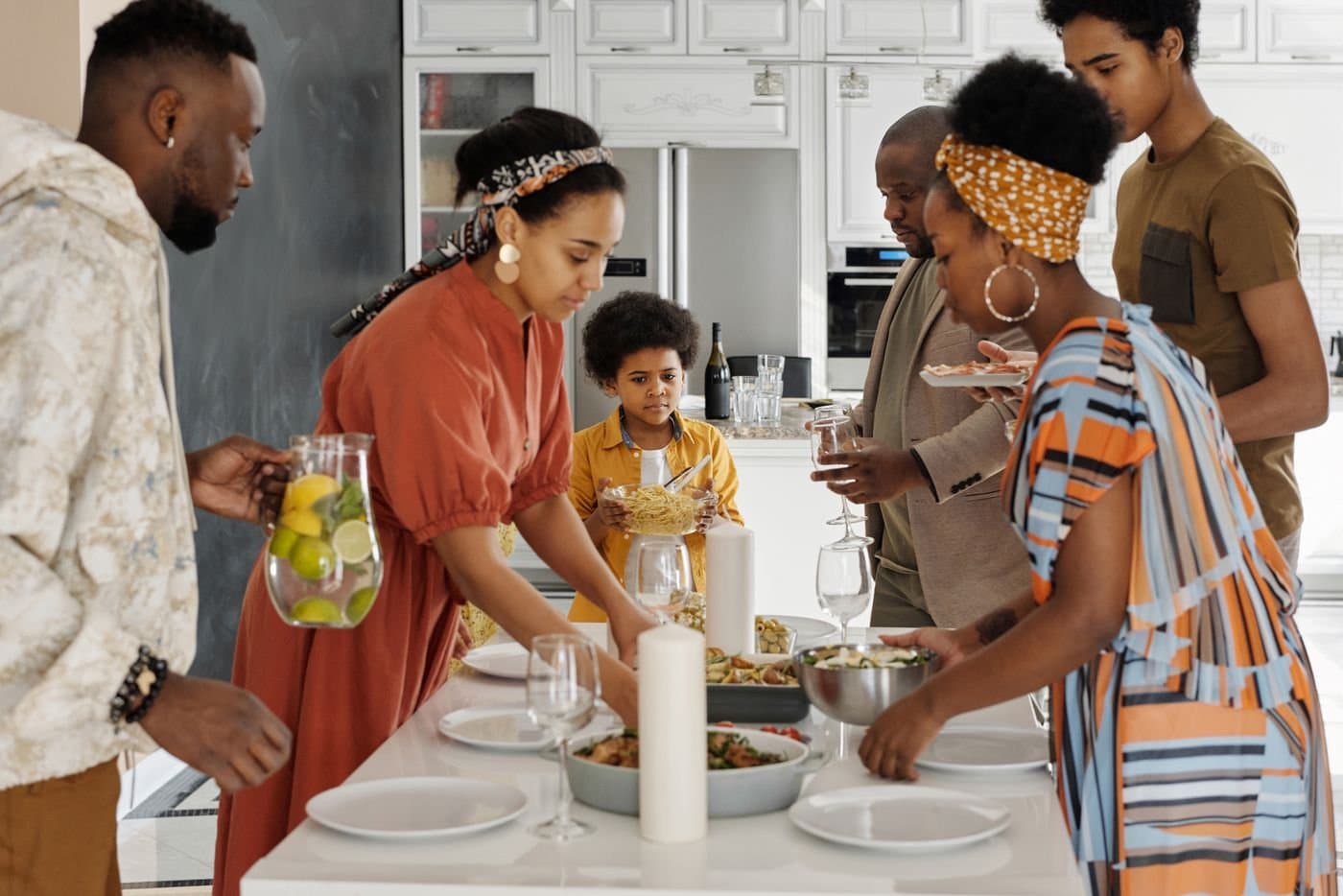
At many Asian and South Asian family dinners, love arrives with measurement. Who got into the gifted program. Who lost weight. Who finally posted engagement photos. Who still "only" has one child.
If you grew up in this atmosphere, you may feel your shoulders tighten the moment the hot pot starts bubbling. You promised yourself your kid would not live inside that spreadsheet. Then your uncle announces your niece's chess ranking and asks why your son "only" likes Minecraft.
Comparison is not unique to immigrant families. But distance from extended family often makes each reunion feel like a performance review. People who see your child twice a year may treat those hours like a full report card. WhatsApp forwards the highlights before you land at the airport.
Your child is not failing because a cousin speaks earlier, travels more, or smiles more easily for photos. They are a person in development, not a proxy for your parenting score.
What kids actually hear when adults rank cousins
Adults often think they are motivating. Kids often hear conditional belonging.
"Your cousin practices violin every day" can sound like "You disappoint me."
"She is so thin" can sound like "Your body is wrong."
"He got into Stanford early" can sound like "I will love you more if you catch up."
Siblings and cousins hear the same dinner differently. One cousin may enjoy being the golden child until the pressure crushes them senior year. Another may act out because negative attention still feels like attention.
Watch your child's body after reunions: quieter in the car, picky about food for a week, sudden perfectionism, or mean comments about the cousin they were compared to. Those are data, not ingratitude.
If your child says "You like Rohan more," resist the urge to list reasons they are wonderful on the spot. Say: "That must have hurt. Tell me what you heard." Validation first. Lecture later.
Align with your partner before the next reunion
If you and your partner grew up with different comparison cultures, you may disagree on what is harmless. One of you may think teasing builds resilience. The other may still carry scars from being the "lesser" cousin.
Before the next big gathering, agree on three things:
What topics are off limits in front of kids: weight, grades, marriage timing, fertility, money.
Who intervenes when their side of the family crosses the line.
What you will tell your child in the car ride home if comparisons happen anyway.
Mixed couples sometimes get double exposure: one side compares achievement, the other compares appearance or faith practice. Present a united front even if your internal reactions differ.
If your partner minimizes ("They don't mean it"), ask them to watch your child's face during the next comment, not yours. Impact beats intent when you are raising a nervous system.
Scripts for relatives who treat dinner like a tournament
You can be respectful and still stop the game.
To the aunt who asks about grades first: "We are proud of how kind he is becoming. How is your garden this year?" Redirect without debate.
To the uncle ranking cousins: "We do not compare the kids at our table. They are different people." Repeat every time.
To the grandparent praising one cousin while ignoring yours: pull them aside privately. "When you only talk about Maya's awards, my daughter stops trying to show you her art. I need you to ask about both kids."
To the cousin parent who brags while your child listens: "Congrats to her. We are taking a break from competition talk tonight."
You do not need a TED Talk. You need a short sentence delivered calmly, over and over, like a door that closes the same way every time.
If relatives call you sensitive, let them. Your job is not to win the argument at dessert. Your job is to walk out with a child who still feels like yours.
What to tell your child before and after the meal
Pre-brief in age-appropriate language. "Sometimes adults talk about cousins in ways that feel unfair. If that happens, you can come sit by me. We do not have to earn love with trophies."
Afterward, debrief without trashing the whole family. "Did anything feel weird tonight?" "What would you want them to ask you instead?" Let them vent.
Avoid counter-comparing ("Well, Rohan can't even read"). That teaches the same hierarchy with your kid on top.
Help them build one sentence they can use themselves if they are old enough: "I do not like being compared." "Can we talk about something else?" Practicing in the car makes it easier at the table.
If a cousin is also trapped in the comparison game, your kids may bond over it privately. That alliance can be comfort and also sadness. Check in.
When comparison hides favoritism or old family wounds
Sometimes cousin ranking is not about children at all. It is about which sibling your parent always preferred, which daughter-in-law cooks the "right" way, which branch of the family succeeded after immigration.
You may notice one grandchild gets red envelopes photographed for the group chat while yours get a nod. One cousin's recital livestreamed, your kid's soccer game forgotten.
Name favoritism to your partner even if you cannot fix it overnight. Our guide on grandparents favoring one grandchild goes deeper when the imbalance is sustained.
Protect your child's relationship with their cousin when possible. Cousins did not choose the adult scoreboard. Some of the warmest diaspora friendships survive because two kids agreed the adults were ridiculous.
Therapy helps when old sibling rivalry gets replayed through your children. You may be reacting to your childhood as much as to tonight's comment.
Skipping the event is sometimes the healthiest boundary
If every reunion leaves your child dysregulated for weeks, you can shorten visits, stay in a hotel, or skip a year.
That choice may trigger drama. Relatives may call you arrogant or ungrateful. Weigh the cost honestly: Is one weekend of tradition worth months of your child asking if they are enough?
Alternatives exist: smaller visits with one elder, daytime lunch instead of overnight stay, video calls on your schedule, hosting on your turf where you control the rules.
If you must attend for visa, inheritance, or family caretaking reasons, build recovery time into the trip. Plan a fun day just with your kid afterward. Debrief with a friend who gets it.
Boundaries are not betrayal when they keep a child from learning that love must be earned at a buffet table.
Questions parents ask after a hard reunion
Should I confront the cousin's parents? Only if you have a relationship that can hold it. Otherwise focus on your side of the family and your child's repair.
My kid now hates the golden cousin. Can I fix that? Validate both feelings. Arrange low-pressure one-on-one time if safe. Do not force friendship.
What if I compared cousins myself once? Apologize specifically. "I was wrong to say that. You do not have to beat anyone to matter to me."
Do I tell the teacher comparisons are happening at home? Yes if school anxiety spikes. Teachers see performance changes before relatives admit harm.
When do we stop going? When the harm outweighs the connection and shorter boundaries have failed. Trust your gut.