
When Classmates Comment on Your Child's Lunch
The lunchbox is where culture shows up every day at school. When comments land, your child needs words, allies, and a home message that their food belongs.
Diaspora kids often love bento, roti, or last night's stir-fry until someone at the table makes a face. This guide helps you respond at home, with teachers, and with relatives who tell you to pack "normal" food instead.
Leah Chen writes about mixed families, bilingual homes, and helping kids feel whole across more than one story.
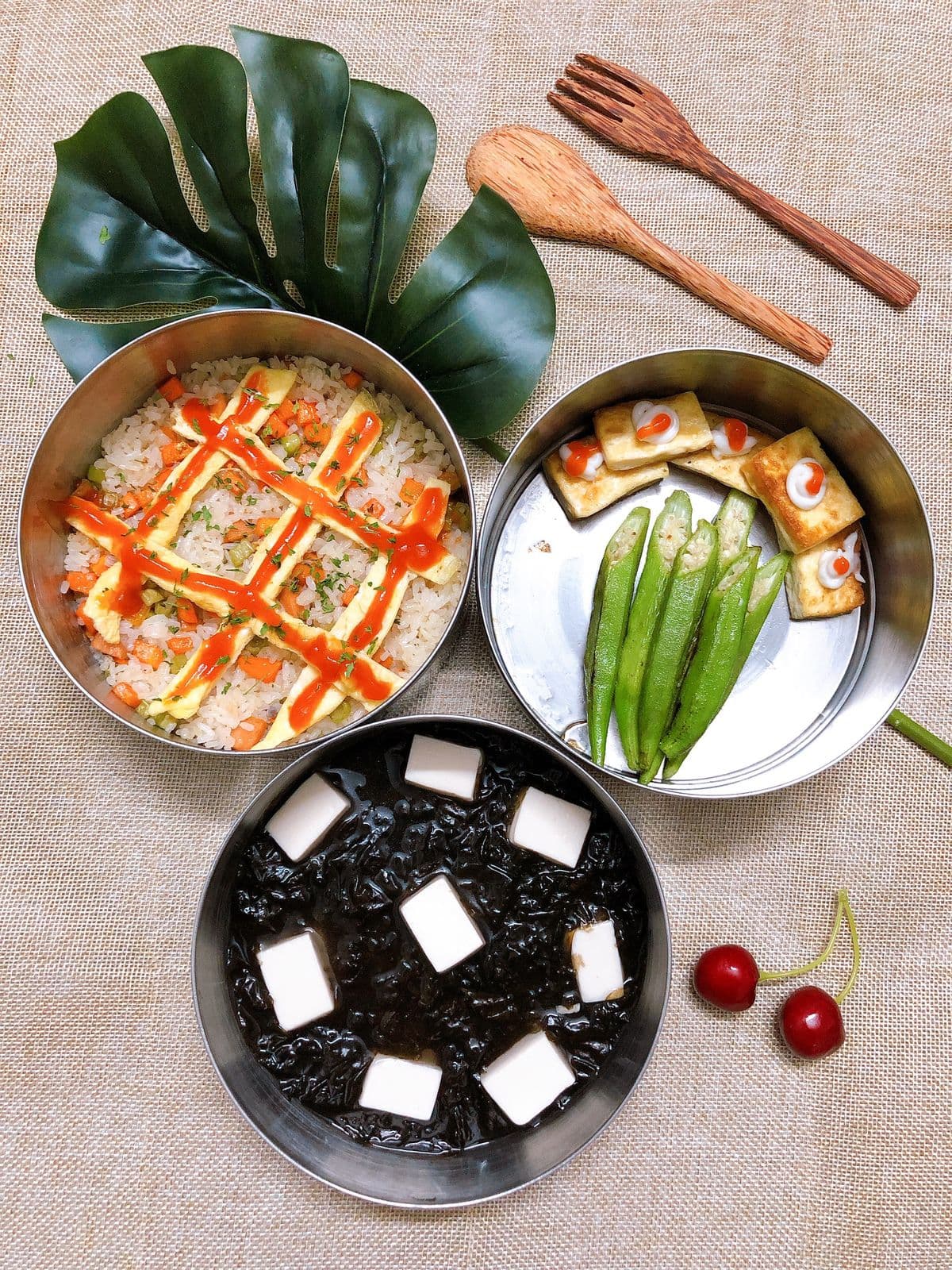
Why the lunch table hits different
Food is not just fuel for many Asian and multicultural families. It is love, language, and memory in a container. When a classmate says something smells weird, or a teacher suggests swapping for a sandwich, the insult can feel bigger than one meal.
Young kids may ask to stop bringing dumplings. Tweens may throw away food to fit in. You may hear from relatives that you should pack "American" lunches so life is easier—as if erasing home food protects dignity.
Comments about lunch are often early racism or exclusion, even when nobody uses slurs. Treating it as "kids being kids" misses the pattern.
Find out what actually happened
Ask open questions: Who said it? What words? Was an adult nearby? Did anyone laugh? Did your child want to eat anyway or hide the container?
Some kids minimize to protect you from anger. Others dramatize because the shame was huge. Listen first. Match response to facts—a one-time joke needs different handling than daily targeting.
If your child is very young, role-play at home with stuffed animals. Practice one short comeback and one exit move: move seats, find a friend, tell the teacher.
What to ask teachers and schools
Email the teacher with specifics, not only emotion. "My child was told their kimchi smelled bad on Tuesday and Wednesday. Can you watch lunch seating and remind the class that food comments are not allowed?"
Many schools have anti-bullying policies that cover food and culture. Ask how incidents are documented. If the teacher dismisses it, escalate to counselor or principal calmly.
Our guide on talking to teachers when you were raised not to make trouble has scripts for parents who hate conflict but need advocacy.
At home: pride without pressure
Resist the urge to ban heritage food to stop teasing. That teaches your child their culture is the problem. Instead, name what happened: "Their comment was about them, not about our food."
Offer choices without surrender: thermos with less smell if your child wants it, plus a clear message that hiding forever is not the goal. Pack a friend-shareable snack some days if that builds allies—fruit, crackers—not because home food is shameful but because lunch is also social.
Share stories of adults who eat your family's food proudly. Video call grandparents eating the same dish. Connection at home repairs what the cafeteria damaged.
When relatives say to pack something else
"Just give them a PB and J so they fit in" sounds practical. It can also signal that heritage food is optional decoration, not real life.
You can say: "We are teaching them to handle comments, not erase our table." If school harassment continues despite advocacy, a temporary lunch plan is a safety move—not a permanent identity retreat. Name that difference to your child so they do not read it as betrayal.
After a rough week at the lunch table
Should I confront the other child's parent? Usually start with the school. Direct parent confrontations escalate fast unless you already trust that family.
Is it bullying if it happened once? Once is worth a conversation at home and a heads-up to the teacher. Pattern is bullying even without punches.
Do I report smell jokes to the principal? If repeated or if staff ignored it, yes. Written records help if it grows.
Will packing hot food always be a problem? Not always. Thermos timing, seating changes, and class norms shift. Do not assume a lifetime of shame from one hard week.