
Zuo Yue Zi and Postpartum Confinement: What to Keep, What to Skip
Your mother may describe the first forty days as non-negotiable. Your body may be telling a messier story. You do not have to choose between disrespect and obedience.
Zuo yue zi is not one practice. It is a bundle of rest, food, family presence, and rules that vary by region, generation, and who is watching. This guide separates cultural care from medical questions so you can recover with support, not shame.
Nadia Rahman writes about Muslim and South Asian family traditions, postpartum life, and finding community when your calendar looks different from your neighbors.
More than a calendar of rules
Zuo yue zi (坐月子), sometimes called sitting the month or doing-the-month, is a postpartum tradition practiced across Chinese communities and echoed in Korean sanhujori, Vietnamese nằm cữ, and related customs elsewhere in Asia. The length is often described as thirty or forty days. The details depend on who learned them from whom.
Some families emphasize staying indoors, avoiding cold foods and cold water, eating warming soups, limiting visitors, and letting elders cook while you rest. Others focus mainly on protection: keeping the new mother from chores, drafts, and exhaustion while she heals and feeds a newborn.
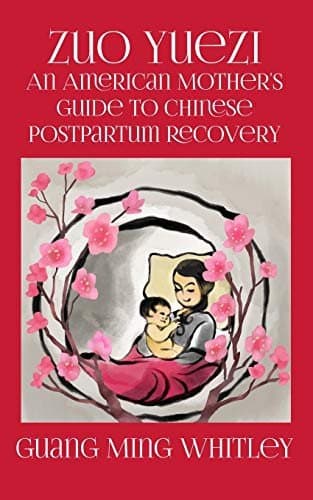
If you grew up in the diaspora, you may have heard zuo yue zi described as ancient wisdom, as superstition, or as the reason your cousin recovered faster than you did. All three stories can coexist in one dining room. Guang Ming Whitley's book Zuo Yuezi: An American Mother's Guide to Chinese Postpartum Recovery remains one of the few English-language guides written for families navigating the tradition abroad, and it is a useful starting point if your relatives assume you already know the rules.
This guide is not a medical protocol. It is a way to think about which parts of confinement support recovery, which parts need a clinician's input, and how to negotiate with family when the rules feel louder than your symptoms.
Why the month feels loaded before you leave the hospital
Confinement is rarely only about health. It signals that you are entering a watched season. Someone may already be planning your menu, your bedroom temperature, and whether you are allowed to wash your hair.
Immigrant and second-generation mothers often face a split screen. Elders may see confinement as proof that heritage survives abroad. You may see it as love with surveillance attached. Your partner may not know which side to join.
Qualitative research on Chinese mothers in Switzerland found that women continued postpartum rituals abroad partly because they carried cultural identity, not only because they believed every rule prevented illness. That matters when you are deciding what to keep. You are not only negotiating biology. You are negotiating belonging.
If pressure starts in pregnancy, name it early. "We want rest and help. We will follow medical advice on bathing, movement, and diet." That sentence gives you a shared frame before the soup arrives.
What clinicians actually emphasize in the fourth trimester
American College of Obstetricians and Gynecologists (ACOG) describes the postpartum period as the "fourth trimester," roughly the first twelve weeks after birth. ACOG recommends contact with an obstetric care provider within the first three weeks, ongoing care as needed, and a comprehensive visit no later than twelve weeks postpartum. That visit is meant to cover physical recovery, mood, infant feeding, sleep, contraception, and chronic conditions, not a single checkbox at six weeks.
None of that requires you to ignore elders. It does mean your obstetrician or midwife is the person to ask when a confinement rule conflicts with how you are healing: fever, heavy bleeding, incision pain, mastitis symptoms, blood pressure concerns, or mood changes that scare you.
Rest and help are not fringe ideas. They align with what postpartum clinicians emphasize. The conflict usually appears around specific prohibitions, not around the idea that you should recover.
A practical sorting table
Use this as a conversation starter with your partner and clinician, not as a verdict on your culture.
| Practice | Often helpful | Ask your clinician when... |
|---|---|---|
| Protected rest and reduced chores | Yes. Exhaustion worsens recovery and mood. | You feel pressure to host visitors instead of sleeping. |
| Nutritious, regular meals brought to you | Often yes. Hydration and calories matter, especially if breastfeeding. | You have gestational diabetes, hypertension, or dietary restrictions elders do not know about. |
| Family support with baby and house | Often yes, with boundaries you choose. | Support becomes criticism, surveillance, or conflict with your partner. |
| Staying indoors for the full month | Not medically required for everyone. | You want short walks and your clinician says movement is safe. |
| No bathing, hair washing, or cold drinks | Evidence for harm is limited in modern settings; comfort and infection prevention matter. | You have fever, wound concerns, or symptoms your clinician should assess. |
| Foods labeled forbidden after birth | Varies by tradition and by your body. | You have allergies, anemia, thyroid disease, or medications that interact with herbal soups. |
General educational framing only. Your obstetric or primary care clinician should guide decisions about bleeding, infection, diet, and mood.
When the help is real and the rules are rigid
Many families experience confinement as two layers at once. Layer one: someone cooks, holds the baby while you shower, and tells visitors to leave. Layer two: comments about your weight, milk, gratitude, and whether you are doing the month correctly.
You can accept layer one and limit layer two. "The soup helps. Please stop commenting on my body." "We are not debating my shower schedule at dinner."
If your mother-in-law moves in to "do the month," clarify roles before birth when possible: who cooks, who decides visitors, who handles night feeds, and what happens if you disagree. Our guide on living with in-laws under one roof goes deeper on shared roofs.
Partners should not treat confinement as a culture war between sides. Your job is to protect the recovering parent and translate medical boundaries without mocking tradition.
Doing the month without your mother downstairs
Diaspora parents often attempt a solo version: meal trains, paid postpartum doulas, freezer soup from aunties, or a short visit from a relative who flies in for two weeks.
Research on Chinese mothers abroad notes that lack of nearby family can make strict ritual harder and loneliness sharper. A modified month might mean: one warming dish you actually like, one daily nap protected on the calendar, one video call with elders who tell stories instead of auditing your shower, and paid help for laundry or night coverage if you can afford it.
If you want local classes, feeding support, or culturally familiar postpartum help without everyone moving in, the City Life pregnancy and new-parents planners for your city are a quieter next tab.
You are allowed to grieve the version you imagined while building the one you have. Modified is not failure.
Breastfeeding, formula, and the morality trap
Confinement food is often framed as milk production fuel. If breastfeeding is going well, soups and regular meals may feel supportive. If you are supplementing, pumping exclusively, or formula feeding, the same kitchen can turn judgmental fast.
Your feeding plan belongs between you, your pediatrician, and your lactation support if you use it. Elders may read bottles as rejection of culture. You can separate food care from feeding ideology. "Thank you for the soup. Our feeding plan is set with our clinicians."
If nipple pain, low supply anxiety, or postpartum mood is driving decisions, say so to a clinician. Shame makes both feeding and recovery harder.
Mood symptoms are not solved by silence
Family may treat tearfulness as normal baby blues, or treat depression as proof you did the month wrong. Neither story is sufficient.
Postpartum depression is a clinical condition that deserves assessment and treatment. The Yang et al. systematic review found no consistent evidence that confinement rituals alone prevent it. Social support quality matters, but support should not block you from calling your clinician when symptoms persist.
If you have thoughts of harming yourself or your baby, seek emergency care. In the U.S., you can call or text 988 for the Suicide and Crisis Lifeline. Postpartum Support International also offers a helpline at 1-800-944-4773.
This section is not a diagnosis tool. It is permission to treat mood as medical, not moral.
Building your month before the baby arrives
Three conversations prevent a surprising amount of pain.
With your clinician: What recovery should look like for your delivery type? When can you walk, drive, bathe, and exercise? What bleeding, pain, or mood changes should trigger a call?
With your partner: Who fields elder questions? Who enforces visitor limits? What phrases will you use when rules conflict with medical advice?
With willing elders: What help do you actually want? Meals, laundry, holding the baby while you nap? Name tasks instead of accepting vague "I will take care of everything."
Write it down if your house gets loud. A one-page plan on the fridge beats relitigating the month at 2 a.m.
You can keep the love without keeping every rule
Zuo yue zi at its best is a social technology for protecting new mothers in a vulnerable season. At its worst, it becomes a scorecard administered by people who will not be up at 3 a.m. with your breasts or your incision pain.
You are allowed to take rest, food, and hands-on help while declining rules that do not fit your body or your clinician's guidance. You are allowed to adapt the month for apartment living, formula feeding, or a partner who cannot read your aunt's text messages in Mandarin.
Heritage is not proved by suffering quietly. It can also look like telling the next generation the truth: we kept what healed us, and we let go of what hurt.