
How to Tell Your Child's Adoption Story at a Family Gathering Without Sharing Too Much
Los Angeles marks National Adoption Day on November 21, right before Thanksgiving tables get nosy. Here are three short scripts: one for a personal question, one to change the subject, and one that lets an older child choose what gets shared.
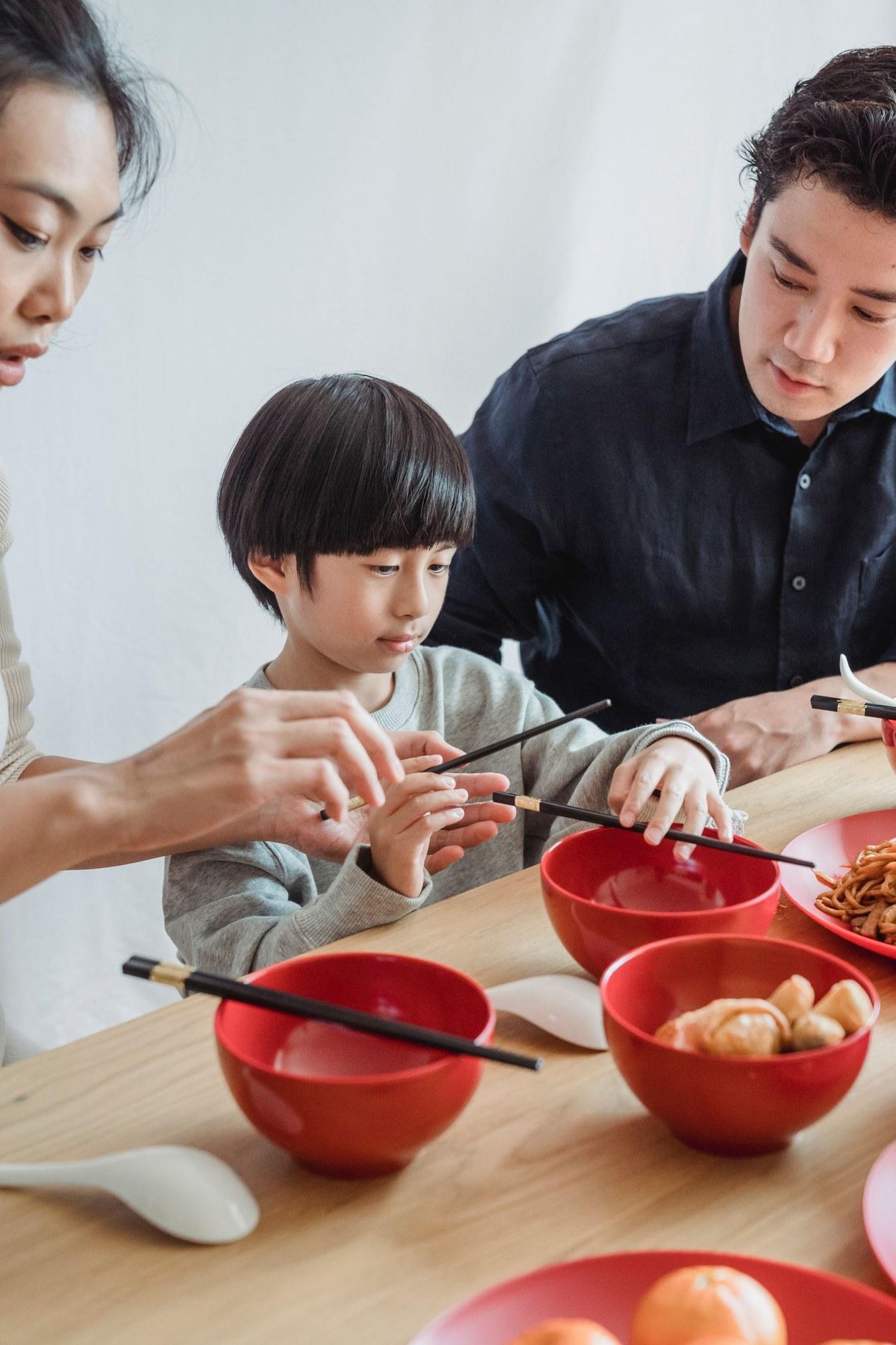
Thanksgiving week makes relatives chatty. National Adoption Day sits in the same stretch of calendar, so some families are finalizing paperwork while others are rehearsing what to say when an auntie wants the full origin story over soup.
Los Angeles holds its 27th National Adoption Day on Saturday, November 21, at the Edmund D. Edelman Children's Courthouse in Monterey Park. The Superior Court, DCFS, Alliance for Children's Rights, Public Counsel, and volunteer attorneys plan to finalize 101 children's adoptions for 71 families in private hearings.
There will be refreshments and a photo booth. The event is closed to the public.
You still need lines for the gathering that is open. Practice three of them before someone treats your child's history like table talk.
Your child's adoption details belong to them as they grow. Curiosity from a relative is not a request for a briefing.
What the week actually asks of you
National Adoption Day grew out of court finalizations for children leaving the U.S. child-welfare system. Hundreds of communities mark it now.
In Los Angeles, the Saturday before Thanksgiving has been a standing ritual since the late 1990s.
For mixed and multicultural adoptive families, the same week often brings a different job: fielding elders and cousins who want medical history, birth-country gossip, or a tidy rescue narrative while the child is still chewing.
Adoptee-led groups have been clear for years that privacy is about pacing. Also-Known-As, founded by Korean adoptee Hollee McGinnis, is an international-adoptee organization that puts adult adoptees first, including the losses that come with leaving a birth country, language, and biological family.
I Am Adoptee and the Adoptee Wellness Collective publish a free holiday toolkit for the roles and "shoulds" that show up at gatherings. Read that before you pack the car if you can.
At your table, share only what your child would be fine hearing repeated at school next week.
Three lines to practice before you go
1. When a relative asks something personal:
"We're glad you care. The private details stay with us until they decide what to share."
That covers birth-parent names, abandonment stories, time in care, fees, infertility, and DNA gossip. You do not owe a longer speech.
2. When you need to redirect:
"We've got that covered at home. How was your drive?" Or: "How's work?" Or: "Tell me about the new apartment."
Most people want a conversation more than a file. Give them another topic and keep the serving spoon moving.
3. When an older child can choose:
Before you arrive, ask privately: "If someone asks about your adoption, you can answer, ask me to help, change the subject, or say you don't want to talk about it. What do you want me to say if they ask me?"
At the table, if a question lands on them first: "You can decide what you want to share. Want me to take this one?"
Then follow their lead. If they shrug, that still counts as a decision.
A few house rules that spare everyone
Talk with your partner before the gathering so you are not inventing policy in real time. Agree on what is public: we are a family, and adoption is part of how we became one. Agree on what is off-limits: medical files, birth-family contact info, trauma details.
Do not correct a relative by unloading more of your child's story. A short boundary plus a new question beats a lecture.
If the child is young and not in the room, still treat the story as theirs. Cousins remember, and group chats travel faster than you think.
Transracial and international adoptive families get extra questions about race, language, and "real" parents. You can name the relationship without offering a biography: "I'm their parent. Other parts of the story are private."
Where to go next
For adoptee-led community, start with Also-Known-As and I Am Adoptee. The Adoptee Wellness Collective holiday toolkit is a short read before the gathering, not another parent advice blog.
If LA's November 21 ceremonies are part of your week, celebrate with the people who were in the hearing. For everyone else heading into Thanksgiving, keep your child's story small enough that they can still own it at sixteen, listening from the kids' table.