
The Back-to-School Clothing Budget by Age: What Kids Actually Outgrow, Destroy, and Keep
Before you buy another cart of first-day clothes, inventory what already fits. Here is an age-by-age replacement map for preschool through high school, plus shoes, uniforms, hand-me-downs, and a printable checklist.
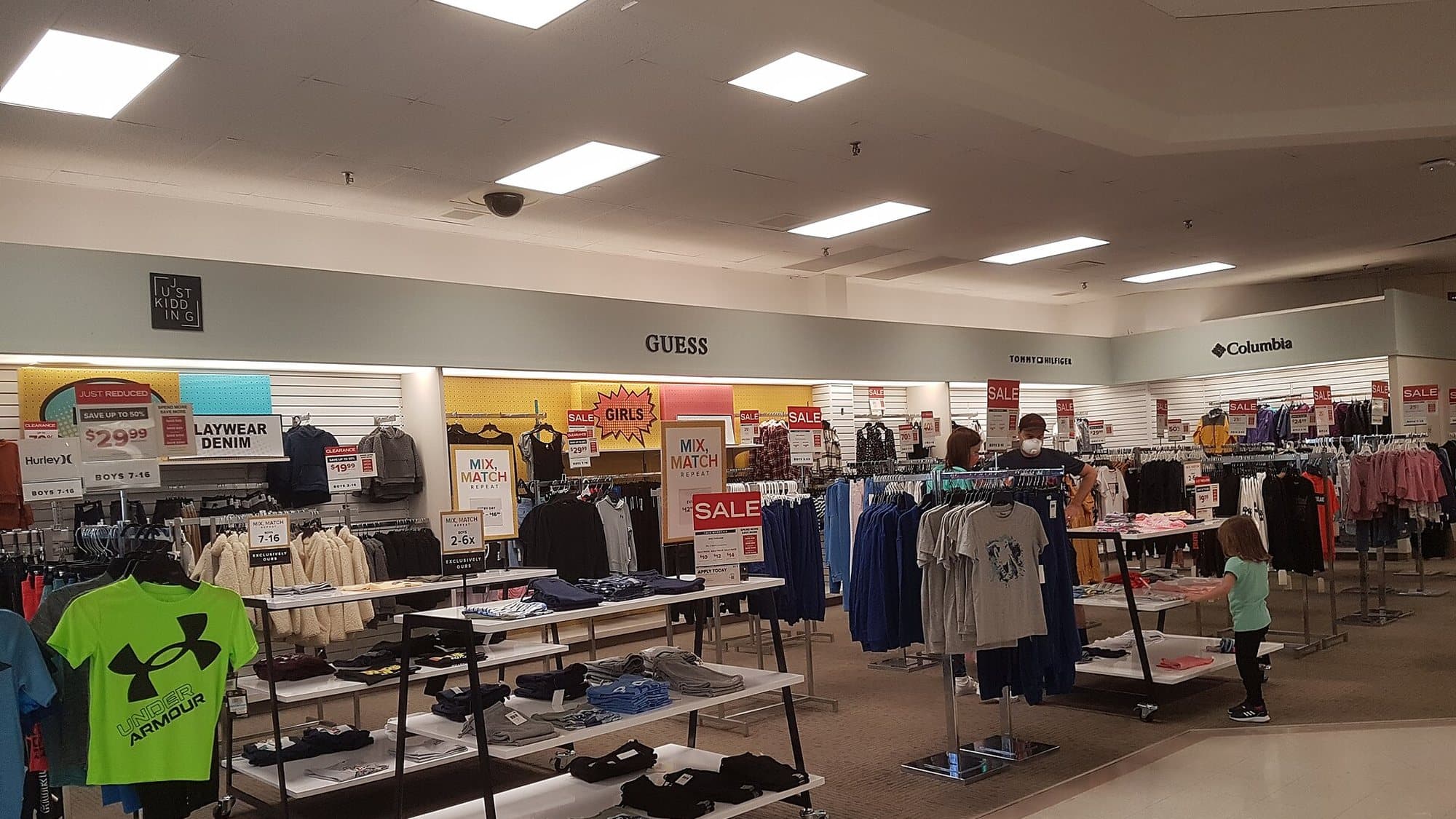
The most expensive back-to-school mistake is shopping before you open the dresser.
Kids outgrow clothes. They also destroy knees, lose one mitten forever, and keep one hoodie until it becomes folklore. Those are three different budget problems.
This season’s retail surveys make the money pressure plain. NRF and Prosper’s July 2026 back-to-school survey puts planned K-12 household spend near $864, including about $250 on clothing and accessories and $174 on shoes. Deloitte’s per-child estimate lands around $557 overall, with clothing intent rising even as families cut elsewhere.
The useful move is not matching those averages. It is building a list from what your child will actually wear for one school year.
Start with inventory. Then buy for replacement rate, not for the fantasy closet.
A back-to-school clothing budget works when it funds what your child will destroy or outgrow, not what a survey average implies every family should buy.
Age bands: what usually fails first
Replacement logic changes with age. Younger kids cycle sizes. Older kids cycle tastes and wear patterns.
Preschoolers blow through sizes and destroy play clothes. Elementary kids need school-ready volume plus PE gear.
Middle school is a growth-spurt tax. High school slows size changes and raises the “will they actually wear it” tax.
Treat the table as a planning map, not a prophecy. Your tall eight-year-old and your late-blooming thirteen-year-old will not match the medians.
| Age band | Clothes rhythm | Shoes rhythm | Budget focus |
|---|---|---|---|
| Preschool (3–5) | Often a new size every 4–8 months | Check fit every 3–6 months | Fewer pieces; durable play clothes |
| Elementary (K–5) | About 1–2 size changes a year | Check every 5–6 months | Uniforms/PE; recess wear-and-tear |
| Middle school | Spurt years can jump sizes midyear | Check every 5–6 months | Growth room; peer-driven replaces |
| High school | Sizes slow; preferences shift faster | Wear-out often beats outgrowing | Cost-per-wear; keep what they rewear |
Rhythms are planning estimates drawn from pediatric growth velocity patterns (roughly ~2 inches/year pre-puberty, faster at pubertal peak) and common children’s footwear fitting guidance (about every 3–6 months by age). They are not clinical rules. Measure your child.
Shoes versus clothes: two clocks
Clothes and shoes do not expire on the same calendar.
A soft tee can be “outgrown” at the sleeve while still looking fine in a photo. A shoe can look fine while the toe box is already tight.
Children’s feet often need a size check every few months in the early school years, even when the wardrobe still has life.
Hand-me-down pants are usually a win. Hand-me-down sneakers are a weaker bet, because a used shoe has already molded to another child’s walk.
Budget tip: price shoes by months of expected fit, not by first-day cuteness. A $70 pair worn 120 school days costs less per wear than a $35 pair abandoned in October.
Uniforms, growth spurts, and hand-me-down math
Uniform schools change the formula. You may buy fewer fashion tops and more identical polos that must survive weekly laundry.
Buy the required pieces first. Add “personality” layers only after the dress code list is done.
Growth spurts are why August shopping is incomplete. Pediatric height velocity is often near about 5–6 cm (roughly 2 inches) a year before puberty, then faster at peak.
Girls commonly hit that peak earlier than boys. Midyear pant hems and jacket sleeves are normal, not failure.
Hand-me-downs win when the next child shares a season and a climate. They lose when the older sibling destroyed the knees or when the younger one refuses the look.
Cost-per-wear is the quiet scoreboard: price ÷ times worn. A $40 hoodie worn 40 times beats a $18 trend top worn twice.
Printable buying checklist
Use this checklist before you shop. The first three steps are the ones that usually save money.
Do not buy “a whole new wardrobe” for a child who already has five wearable bottoms.
| Step | Do this | Pass / buy rule |
|---|---|---|
| 1. Inventory | Pull everything that still fits for school | If it fits and they will wear it, it counts |
| 2. Dress code | List required colors, logos, hem rules | Buy compliance pieces before style extras |
| 3. Measure | Check shoe length/width and pant inseam | Replace shoes that pinch; hem pants later |
| 4. Replace rates | Mark what will fail from wear vs size | Spend first on high-wear daily drivers |
| 5. Caps | Set a dollar cap for clothes and for shoes | Extras wait until week two of school |
| 6. Keepers | Star 3–5 items they already rewear | Buy near matches, not a new identity |
Checklist by Golden Cub Club for household planning. Revisit each July and again after the first growth-spurt month of the school year.
Further reading
- Back-to-School Shopping Is Becoming an AI Conversation Before Parents Know What the Assistant Is Optimizing For
- Kohl’s Is Putting an AI Shopping Assistant Into Back-to-School Season
- Childcare Costs, Grandparent Help, and the Real Price
- Journeys’ Back-to-School Campaign Makes Individuality the Product
- Both Parents Work but Relatives Judge Daycare Over Grandma Care