
Journeys’ Back-to-School Campaign Makes Individuality the Product
Madison Bailey, Anna Cathcart, Sky Brown, Ocean Brown and fellow young talent front Journeys’ “Turn It Up.” The ad sells identity relief more than readiness, and that shift says as much about Gen Z pressure as it does about sneakers.
Back-to-school ads used to sound like a checklist.
New shoes for gym. New backpack for binders. A first-day outfit that would not embarrass you in the hallway photo your aunt would later forward.
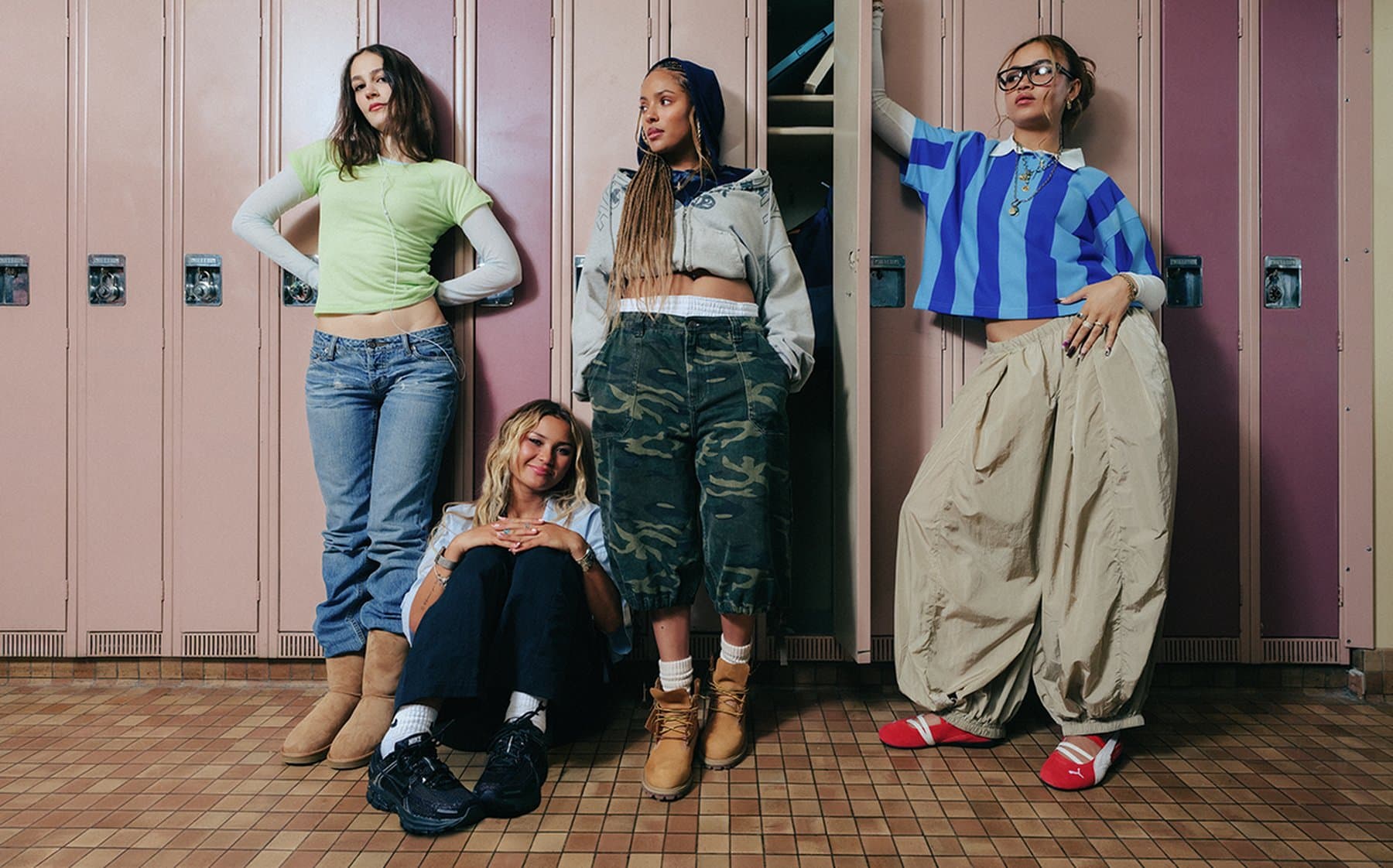
Journeys’ July 2026 campaign, “Turn It Up,” barely pretends that is the pitch. The retailer, working with agency Anomaly under its Life On Loud platform, casts Madison Bailey, Anna Cathcart, Sky Brown, Ocean Brown, Samara Cyn, and INJI inside a school remixed as a music-video fever dream.
Hallways become stages. Style becomes the plot.
Bailey plays three versions of herself. The Browns skate through the chaos.
The tagline lands like a dare: Don’t just show up. Turn up.
The useful takeaway is not that teens suddenly stopped caring about grades or supplies. It is that the season’s most fluent youth ads now sell identity relief: permission to experiment, reject labels, and feel less flattened by the feed, with footwear as the souvenir.
Readiness still sells notebooks. Individuality is what this spot is really merchandising.
When back-to-school ads sell individuality harder than readiness, they are responding to a real pressure: kids feel sorted by feeds and labels before the first bell rings.
What “Turn It Up” is actually selling
Watch the cast list before you watch the product shots. Journeys did not hire a single “perfect student” archetype. It hired people whose public identities already move: an Outer Banks star experimenting with looks, an XO, Kitty lead known to diaspora teens, Olympic-adjacent skate siblings, musicians who refuse one clean lane.
Bailey’s three characters are the thesis in costume. Style is framed as a rotating wardrobe of selves, not a fixed brand of person. Cathcart’s quote makes the same move softer: trying on a character can feel braver than trying on a self in the cafeteria.
Doren’s line about noise and algorithms is the brand’s diagnosis. Young people feel told who to be. The store wants to be the mute button and the dressing room at once.
That is identity relief packaged as retail. The sneakers still have to leave the box.
Why readiness ads lost the emotional center
Older back-to-school marketing assumed the anxiety was competence: Will I be prepared? Will my shoes survive PE? Will I look like I belong in the group photo?
Plenty of that anxiety still exists, especially in households where school is a family achievement project.
What has grown louder is a different pressure: the feed’s demand to be legible.
Post a version of yourself. Optimize it. Stay consistent enough for the algorithm to understand you, then feel trapped by the understanding.
Trade coverage of “Turn It Up” leans into that anti-algorithm framing for a reason. If identity formation now happens partly in public, on platforms that reward a coherent persona, a brand that says “be multiple” is selling oxygen.
Anomaly’s creative team has described leaning into absurdity and imagination rather than explaining memes back to teens. The school does not discipline the kids. The kids’ creativity remakes the school.
Achievement still matters at home. On the billboard, belonging-by-self-expression is winning the soundtrack.
What diaspora families hear under the volume
For many Asian and multicultural teens, August already carries two scripts. One is parental: grades, tutoring, the quiet hope that new shoes somehow equal a serious year. The other is peer and platform: aesthetic tribes, soft launches of personality, the fear of picking the wrong one.
Cathcart’s presence matters here without needing a lecture. XO, Kitty made bilingual, bicultural girlhood mainstream entertainment. Seeing that energy in a mall footwear campaign tells a certain reader the aisle is not only for one American archetype.
Sky Brown’s Japanese-British story sits in a similar overlap: athletic excellence plus a public identity that never looked like a single checkbox.
Parents can use the campaign as a conversation without buying the metaphysics wholesale. Ask which version of themselves their kid feels pressure to perform this year. Ask what “turning up” would mean if it were not a purchase.
Then decide together what is clothing, what is coping, and what is just a good pair of shoes.
The honest limit of identity-as-product
A campaign can celebrate experimentation and still need you to check out. Journeys is a specialty retailer with hundreds of stores and a carefully curated wall of major brands. “Tune out the noise” is also a reason to walk in.
That does not make the cultural read fake. Brands chase the emotion that already hurts. If the hurt is perfection and algorithmic sorting, individuality becomes the analgesic on offer.
The walkaway for families is practical. Let kids play with style without treating every outfit as a permanence vow. Keep adult conversations about sleep, school load, and money in the same month as the mall trip.
“Turn It Up” understands that the first day of school is a stage. The useful parental job is helping a kid know which audience they are dressing for, and which ones they can politely ignore.