
Does a Consistent Bedtime Matter More Than an Elaborate Bedtime Routine?
A Frontiers in Sleep study of 417 Armenian families with children 6 to 36 months found bedtime regularity stayed linked with higher parent-reported sleep scores after adjustment, while the clock time of bedtime did not. The design is observational and mother-reported, so it cannot prove that one routine fixes sleep.
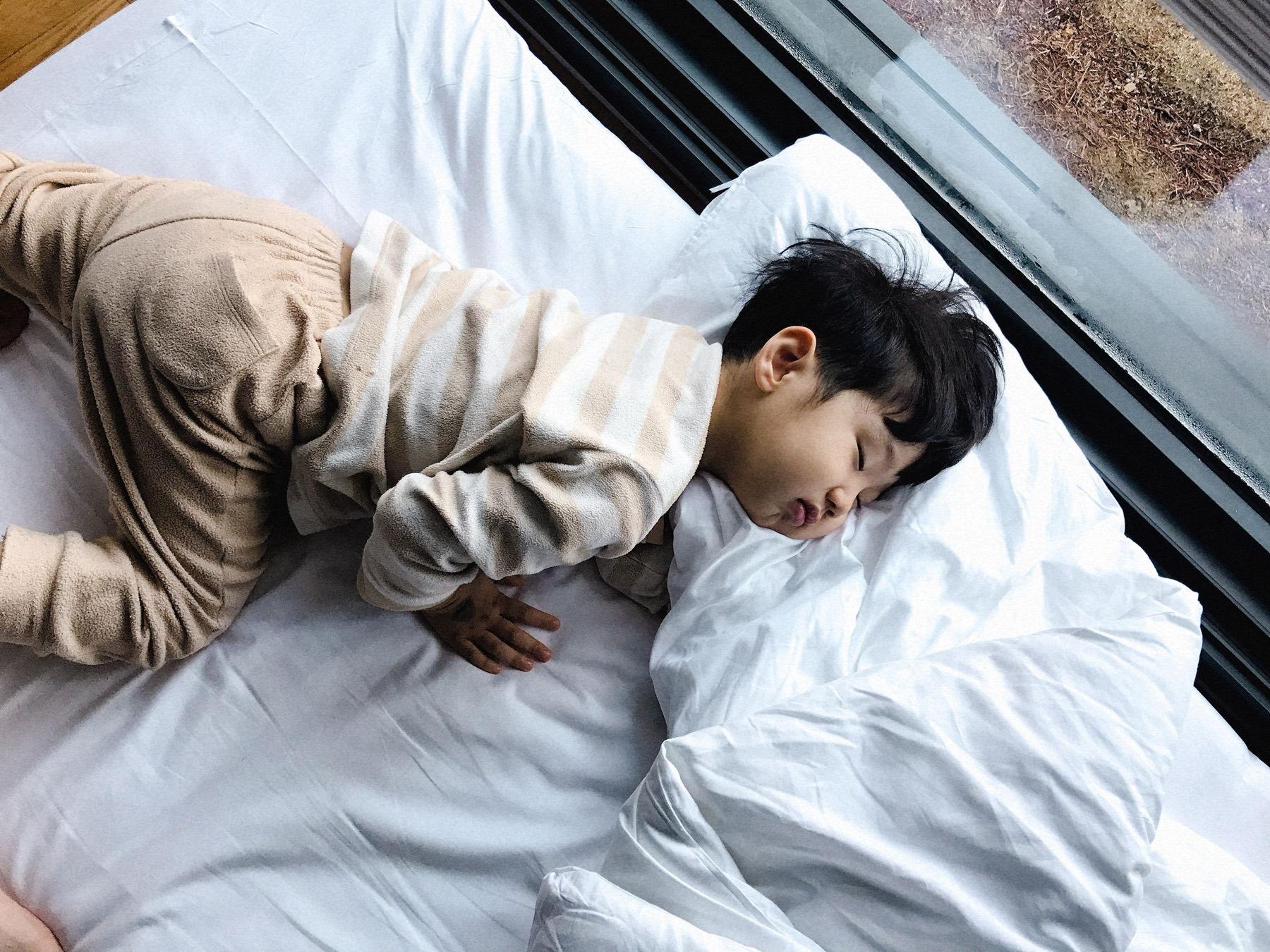
Relatives will sell you a perfect wind-down: bath, lotion, two books, white noise, the special song, lights at 7:30 on the dot. Miss one step and someone blames the night wake.
A Frontiers in Sleep paper covered November 10 asks something smaller. Emma Arzieva and Gayane Shaverdyan, psychologists at Yerevan State University, surveyed 417 Armenian families with children ages 6 to 36 months. Mothers answered a culturally adapted Brief Infant Sleep Questionnaire-Revised at Wigmore Women's and Children's Hospital.
The finding that stayed put was bedtime regularity: how many nights a week the child went down at about the same hour. Once regularity and other household factors were in the same model, the exact reported bedtime on the clock lost its link.
That is a useful kitchen lead. It is still one survey moment, filled out by mothers. It cannot prove that a steady schedule causes better sleep, or that a short bath-and-book routine is a waste.
Diaspora kitchens often argue about the perfect ritual. This Armenian survey leans toward a steadier bedtime week over a perfect 7:30, while still leaving room for culture, nursing, and kids who wake for reasons a questionnaire cannot see.
Same time most nights beat a magic clock
Looked at one by one, later bedtimes and later wind-down starts went with lower sleep scores. More nights with a familiar bedtime went with higher scores.
When Arzieva and Shaverdyan put those pieces next to child and family factors, the clock-time bedtime stopped mattering in the same way. Regularity kept a small positive link.
Here, regularity meant lights-out within about fifteen minutes of the family's usual time. On average, mothers reported that on a little more than five nights a week.
Families who hit a stricter package looked a bit better on the questionnaire: bedtime by about 9:30 p.m., preparation starting within half an hour of lights-out, and that same bedtime at least five nights. The difference was modest. Treat it as a pattern you can borrow, not a grade for your household.
How the night starts still mattered
The schedule was only one slice. How sleep began, and what happened after a wake-up, accounted for more of the score differences than the schedule questions alone.
Kids who fell asleep with an adult nearby but not held, or who fell asleep more on their own, tended to have higher scores than kids who fell asleep while being held or rocked. Nursing after a nighttime awakening went with lower scores, even among the night-wakers, though that link got smaller in that subgroup.
Take those numbers with a soft hand. A baby who already wakes often may nurse more. A family that cosleeps or feeds to sleep may be answering hunger or comfort, not failing a checklist.
If aunties are fighting over lotion brands and playlist length, send them back to the steadier finding. Aim for a landing time the week can repeat. Then watch what your child still needs once the room is dark.
What this does not prove at your house
This is Armenia, one hospital's follow-up families, mothers reporting on sleep, and a single survey moment. No wearable tracked the night. The whole model explained under a fifth of the variation in sleep scores.
Keep the short bath-and-book routine if it helps your household settle. Keep 8:00 if 8:00 is the hour you can actually repeat Monday through Friday. A beautiful 7:15 that collapses every other night is a thinner plan.
Try one shift this week: choose a lights-out window most nights can hit, even if the steps before it stay simple. When relatives demand a longer ceremony, you can answer with that. In this sample, consistency showed up more cleanly than the exact minute on the clock.
If the group chat is already coaching your wind-down, our guide on handling sleep advice from every auntie has scripts for the next reply.