
Most People Who Freeze Eggs Never Use Them. Plan for That.
A 15-year Australia/New Zealand registry study and UCLA’s SART analysis show planned egg freezing is surging while most freezers never thaw. Useful framing: option insurance, not a delayed-marriage guarantee.
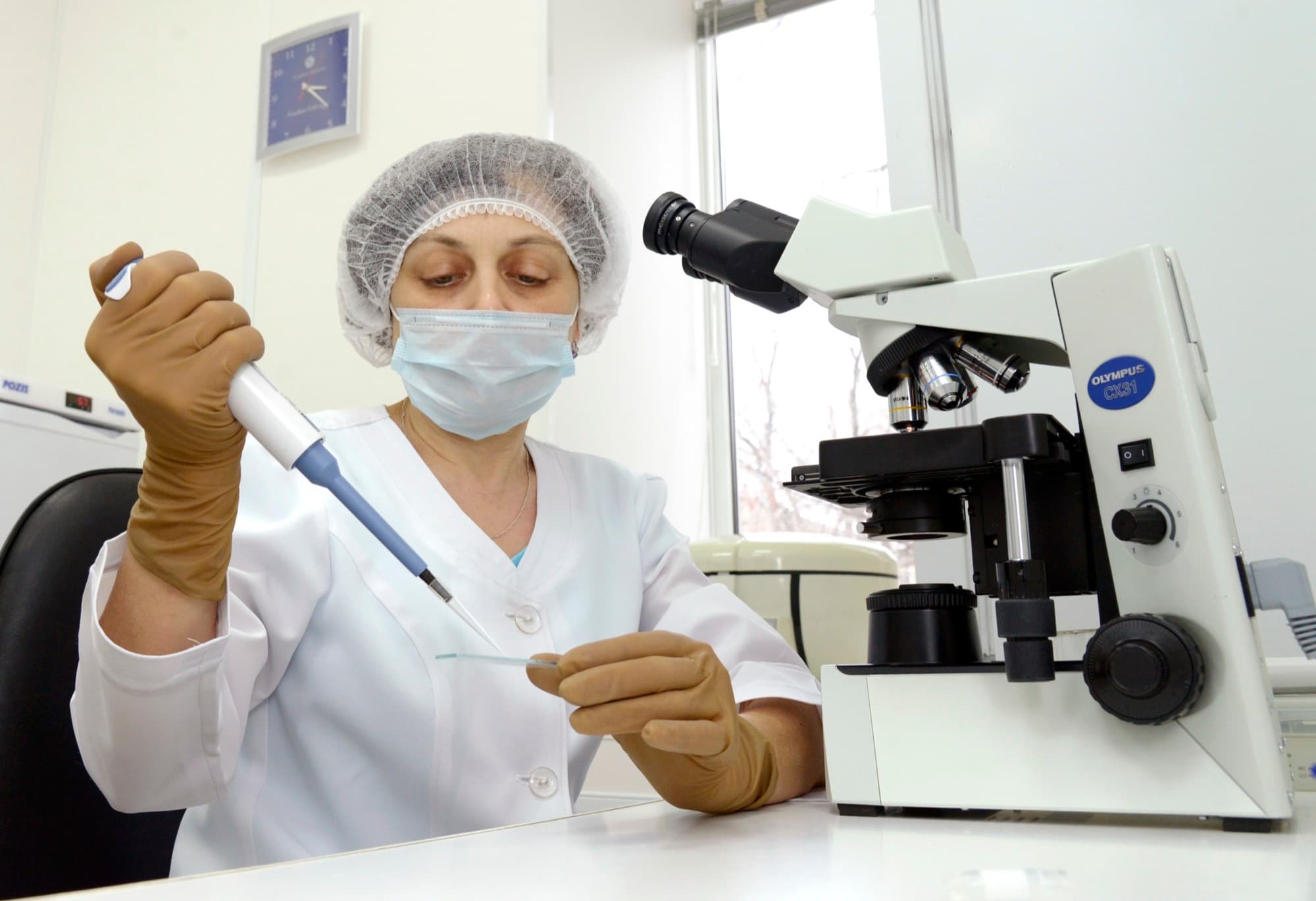
Egg freezing marketing often sounds like a time machine: freeze now, marry later, baby on your calendar. Registry data keeps saying something quieter. Most people who bank eggs never come back to use them.
An April 2026 medRxiv preprint from Oisin Fitzgerald, Georgina M. Chambers, and colleagues at UNSW’s National Perinatal Epidemiology and Statistics Unit tracked every woman who did planned egg freezing (PEF) in Australia and New Zealand from 2009 through 2023. That is 20,209 women in the Australia and New Zealand Assisted Reproduction Database. Uptake exploded from 55 women in 2009 to 4,919 in 2023. Typical freezers were in their mid-thirties (interquartile range 34 to 38) and almost all nulliparous (98.6%). Among women with at least ten years of follow-up (PEF in 2009 to 2013, N=514), 27.9% returned to thaw. With at least five years of follow-up (N=4,288), return fell to 22.1%. Average time to return was about 4.9 years. Of those who used frozen eggs, 47% used donor sperm. After at least two years of follow-up, 33.9% of returners had a live birth, rising to 37.8% for thaws between 2019 and 2021.
Read that carefully. Roughly one in four long-follow-up freezers returned. Roughly one in three of those returners had a live birth from the thaw path in the study window. Freezing can be a real medical option. It is not a deferred wedding plan with a baby coupon attached.
U.S. numbers rhyme, with a shorter clock
UCLA Health researchers analyzing SART-CORS data (published in the American Journal of Obstetrics & Gynecology, 2025) found planned elective egg-freezing cycles nearly quadrupled from 4,153 patients in 2014 to 16,436 in 2021. Mean freeze age fell from 36.0 to 34.9. Among 2014 to 2016 freezers, only 5.7% returned to warm eggs within five to seven years. Cumulative live birth among those who warmed was 28.9%. Lead researcher Lindsay Kroener notes the follow-up may be short for younger freezers, so later return could still rise.
Family chats still sell egg freezing as a neat fix for late marriage. Large registry and meta-analysis numbers show most planned freezers never return, and live birth among returners is roughly one in three. Naming that gap helps readers buy a real option without buying a false guarantee.
Low return is the counseling point, not a gotcha
A 2024 systematic review and meta-analysis in Fertility and Sterility (PubMed 38964588) pooled 27 studies and 13,724 patients who froze eggs for planned fertility delay. Overall return to thaw was about 10.8%. Aggregate oocyte survival was about 81.4%. Among returners, live birth was reported for about 28.9% across age groups. The authors’ bottom line matches the registry papers: counsel on low return rates before anyone pays for a cycle.
Low return does not mean freezing “failed.” Many people freeze, then partner, conceive without thawing, or decide kids are no longer the plan. The trap is treating a freezer receipt like a marriage timeline. Relatives who say “freeze first, settle down later” are often buying the marketing version. The data version is: you may never use these eggs, success if you do is not guaranteed, and you still need a relationship, sperm source, money, and medical luck when you return.
Cost, pressure, and what “option insurance” actually means
In the United States, one planned freeze cycle commonly lands around $12,000 to $20,000 all-in once clinic fees, medications, and first-year storage are included, with annual storage often $500 to $1,000 afterward. Many people do more than one cycle to hit an egg-count target. Employer benefits can soften the bill. They can also make freezing feel like a workplace nudge dressed as empowerment.
For readers under family or career pressure, the useful reframe is option insurance, not delayed destiny. Insurance you hope not to file still has a premium. Ask what premium you can afford without resenting a partner who has not appeared yet. Ask whether you are freezing because you want the option, or because someone else wants your calendar to look obedient. Our IVF and family-pressure guide exists for the auntie script. The family-planning checklist helps when the real fight is values and money, not clinic jargon.
What to decide before you book a retrieval
Write the decision in plain language with yourself (and a partner if you have one). What would make you return to thaw. What would make you stop paying storage. How many cycles you will fund before you reassess. Whether donor sperm is on the table if you return single, the Australia/NZ study’s 47% donor-sperm share among returners is a quiet reminder that many thaw stories are not “married couple resumes IVF.”
Treat clinic counseling as non-negotiable. Ask for age-specific egg-yield expectations, cumulative live-birth ranges for people who return, and a written cost sheet that includes meds, anesthesia, storage, and later warming/IVF fees. Population averages are not your chart. They are still better than Instagram.
And if someone frames freezing as the modern way to postpone marriage without consequence, answer with the registries. Most freezers do not thaw. Among those who do, live birth is common enough to matter and far from certain. Keep the option if it fits your budget and values. Do not outsource your partnership timeline to a cryotank.