
The Best Parenting Product Is Often the One That Survives Ordinary Life
Good Housekeeping’s 2026 Parenting Awards paired Institute lab tests with more than 330 parent testers. The useful story is not the trophy shelf. It is a better filter for any badge that promises certainty in the baby aisle.
New parents do not lack advice. They lack time to test whether the advice was earned.
A badge on a stroller box or diaper pack offers a shortcut: someone smarter already checked. Sometimes that is true. Sometimes the badge is mostly a costume for confidence.
Good Housekeeping’s 2026 Parenting Awards are a useful opening because the magazine publishes its method.
Experts across the Good Housekeeping Institute Labs ran category tests. More than 330 parent testers used products at home for about a month.
Lexie Sachs, who leads strategy and operations at the Institute, has been walking standouts through morning television.
Here is the argument we want to make. The best parenting product is often the one that survives ordinary life: the absorbency test and the 2 a.m. change, the tip-force measurement and the apartment-building elevator, the lab doll and the child who refuses the wipe lid.
Borrow that standard. Then buy with your eyes open.
Awards can summarize real testing, or they can decorate a listing. Parents who know which tests matter, and who still check recalls, get to keep the shortcut without surrendering judgment.
Why awards feel so persuasive right now
Baby gear shopping sits at the intersection of love, fear, and money. You want the softest diaper and the safest seat. You also want to stop researching at midnight.
Awards answer that fatigue. They compress months of comparison into a logo. Brands know this.
Hearst’s awards page is candid that winners can license the emblem and assets to promote the win, and that editorial coverage is part of the prize. Entry also carries a per-product submission fee.
That does not make every winner hollow. It means the awards economy is an industry with homework attached, not a public safety agency. Other badges on retail pages may skip the homework entirely: paid directories, thin “editor’s picks,” recycled logos.
A kinder reading is available. Parents are not fools for wanting help. The work is learning which help was measured.
Where the lab earns its keep
Laboratory testing matters most when ordinary life hides failure until someone is wet, tipped, or injured.
Diapers are the clearest case. GH’s Textiles Lab runs absorbency, surface dryness under pressure, and angled runoff tests so “premium soft” claims meet the same liquid load.
Parent soft-hand ratings still matter for rashes. The lab is what catches overnight leaks a nursery photo will never show.
Strollers and car seats sit in the same risk lane. Institute engineers measure tip force at the handlebars, how hard it is to drag a braked stroller across grit, whether the fold pinches, and how a seat installs on a real vehicle seat with LATCH and belts.
A canopy color does not answer those questions. Mechanics and misuse do.
Ingredient and gadget reviews help when the claim is a “clean” wipe formula or a smart-monitor alert. They still sit beside federal rules, not above them.
What a month with real parents adds
A controlled test asks whether the product performs. A home test asks whether you will still use it on a cranky Tuesday.
GH matches products to families after a recruitment survey, then asks for about a month of real use. Testers rate the gear, write what annoyed them, and compare it with what they already owned. That is where bulk, fighting tabs, a trunk that will not swallow the fold, and a wipe lid toddlers hate all appear.
Parent enthusiasm alone is a soft signal. People can love convenient products that are only fine. Lab scores alone can miss a harness parents never learn to tighten.
The strongest wins stack both: numbers from the lab, and parents who still preferred the product after living with it. When a write-up only quotes glowing lines, ask what the side-by-side tests said.
Keep the boring safety net under any badge
An award, even a careful one, does not replace a recall search. Before you buy, and again when the box arrives, check CPSC recalls and SaferProducts.gov for the model name.
For car seats, NHTSA’s Ease-of-Use ratings grade labels, instructions, securing the child, and vehicle installation features. Those stars measure how hard the seat is to use correctly, not a separate crash contest.
Every seat sold in the U.S. already has to meet federal crash standards. Misuse is still where many injuries hide.
JPMA certification and related ASTM marks can show a product was checked against industry and federal requirements. Treat them as floors. Register cribs, seats, and monitors so a future recall can find you.
This is the unglamorous half of product love: paperwork that protects the child who cannot read the packaging.
What the 2026 evidence looks like when it gets specific
Pampers Amore is a useful diaper example because the claims stack. GH reported high absorbency scores for soak-up speed and surface dryness, strong parent marks for softness and fit, and analysts calling it more cost-effective than other premium diapers in the set. Lab wetness control, lived comfort, and price in one place.
Huggies Little Movers tells a similar stacked story for active babies: strong absorbency work in the lab and, in GH’s write-up, perfect parent scores for fit, absorbency, and ease of use. Consistency across both lanes is the point.
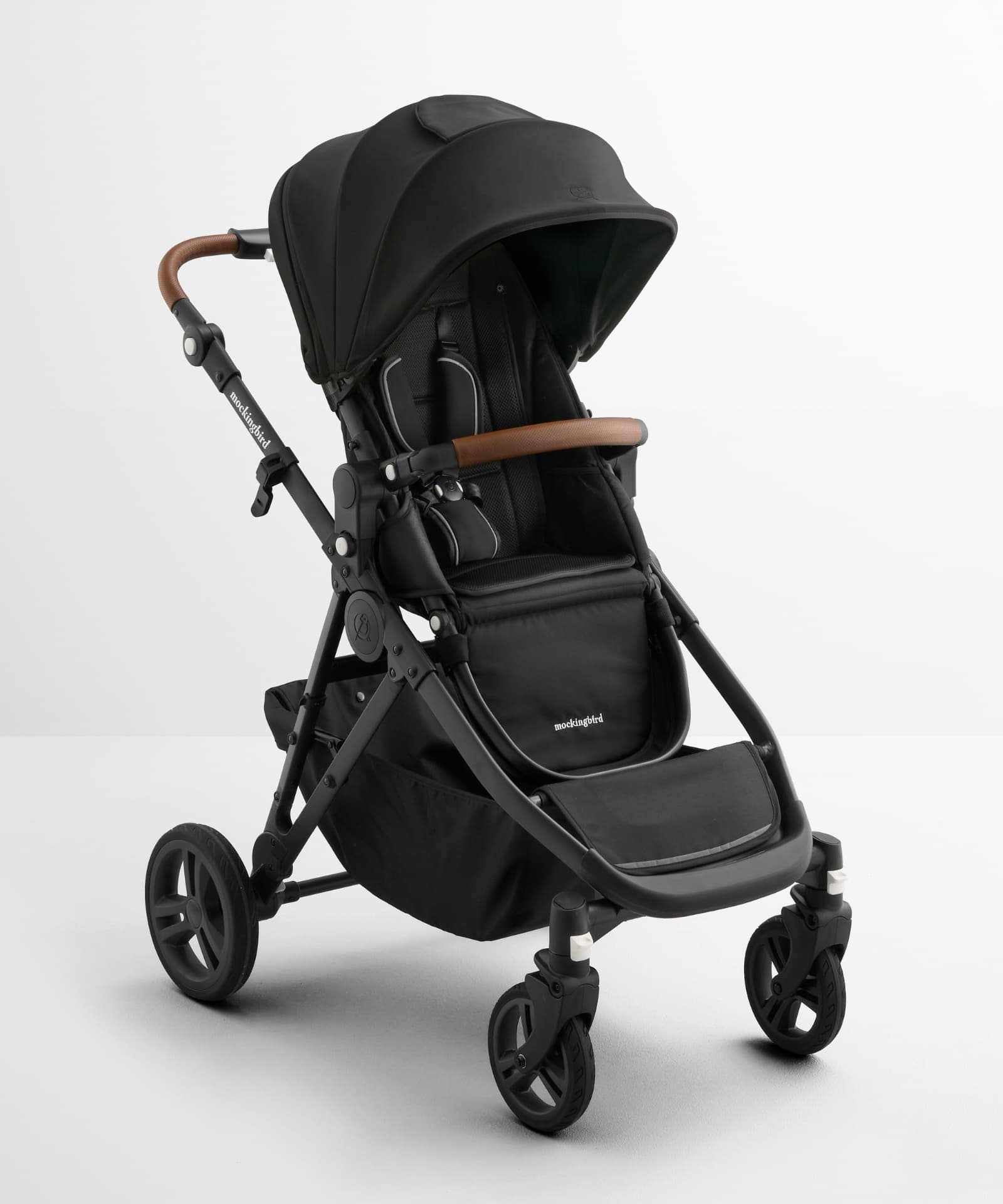
On big gear, trust the protocols as much as any single winner name. Tip-force, brake-hold, obstacle courses, and Honda-seat installs are the questions a “best travel system” badge should be able to answer in print. Mockingbird’s Single-to-Double 3.0 has been one of the convertibles featured alongside this awards cycle; use the published test categories as your checklist when you compare any expandable stroller.
If a page cannot show that kind of evidence, keep shopping. Ordinary life will test the product either way.
Further reading
- That Viral Squishy Toy May Be Counterfeit, and the CPSC Says Some Pose Serious Burn Hazards
- Hundreds of Australian Child-Care Centers Were Closed. What Should Parents Check in Their Own Daycare?
- The First Year With Baby When Family Is Far Away
- Childcare Costs, Grandparent Help, and the Real Price
- Both Parents Work but Relatives Judge Daycare Over Grandma Care