
That Viral Squishy Toy May Be Counterfeit, and the CPSC Says Some Pose Serious Burn Hazards
On August 5, the U.S. Consumer Product Safety Commission warned that fake squishy toys sold through online marketplaces, social media, and discount stores may skip federal toy rules. The same alert renews a burn warning tied to viral “heat the squishy” videos. Here is what to check, what to stop using, and what to do after a marketplace buy.
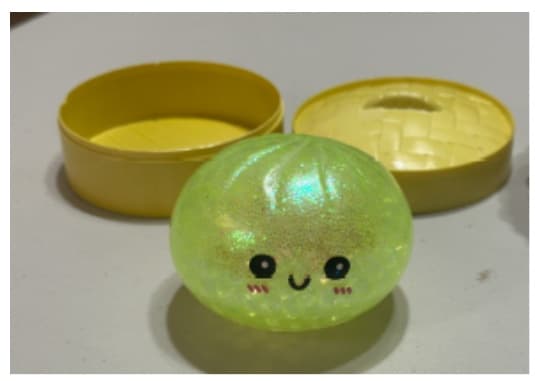
The squishy arrived in two days, smelled faintly chemical, and looked close enough to the one in the video. That is often the whole safety check.
On August 5, 2026, the U.S. Consumer Product Safety Commission published a consumer safety alert about fake and counterfeit squishy toys. Animal, food, and character-shaped squeeze toys are sold through online marketplaces, social media, discount stores, and other retailers.
CPSC says it is aware of knockoffs that do not meet federal children’s toy requirements covering water beads, small parts, lead, phthalates, and other hazardous substances.
The same release renews a warning parents keep meeting in group chats: do not microwave or intentionally heat squishy toys for a viral “expand and burst” clip. Heated filling can stick to skin and keep burning.
The rest of this brief is a kitchen-table checklist. Where the fakes show up, what to read on the packaging, when to pull a toy from play, and what to do after an online buy goes wrong.
Counterfeit squishies travel the same channels parents already use for quick gifts and fidget toys. A short inspection habit, a hard no on heating, and a SaferProducts report when something fails are concrete steps after the August 5 CPSC alert.
Where counterfeit squishies show up
CPSC’s alert is blunt about the sales channels: online marketplaces, social media shops, discount stores, and other retailers. That map matches how many households actually buy fidget and sensory toys now. A link in a story, a “too cheap to skip” listing, a seller with thin contact details.
The agency’s concern is not that every squishy is illegal. It is that fakes can skip the testing and certification children’s products generally need under federal law. When the outer cover fails, kids may meet water beads, gels, liquids, powders, sand, or other fill the packaging never explained.
Water beads are the detail that should slow a parent’s scroll. CPSC notes they can expand after being swallowed and cause intestinal blockages, choking, aspiration, or injury if inserted into the nose or ear. Unknown fill can also mean chemical, inhalation, or ingestion hazards.
If the price is far below what established retailers charge for a similar toy, treat that as a signal to slow down, not a win.
What to inspect before it goes in a backpack
CPSC’s spotting tips are practical enough to run in a parking lot or on a kitchen counter.
Know the seller. Prefer reputable retailers and verified sellers with clear contact and return information.
Check the packaging. Walk away from misspellings, poor printing, missing manufacturer or importer information, and products with no age grading or safety warnings.
Look for tracking and identification. Children’s toys are supposed to carry manufacturer identification and required warnings. A blank bag with a cartoon face is not “minimalist packaging.” It is incomplete paperwork.
Inspect the toy itself. Stop use if it is torn, punctured, leaking, sticky, unusually soft, discolored, or starting to fall apart.
Keep damaged toys and any released material away from children. Do not let kids touch, swallow, inhale, or play with the fill.
Follow the age grade. Small parts and ingestible materials do not belong with young children, even if an older sibling wants the same sensory toy.
The viral heat challenge is a burn hazard, not a science project
Online videos may show squishies expanding, changing texture, or bursting when heated. CPSC says those demonstrations are dangerous and should never be attempted or imitated.
Heat does not have to come from a microwave. The alert also flags direct sunlight, hot cars, heaters, and other high-temperature spots. A toy left on a dashboard can become the same problem as a dare in a kitchen.
When a heated squishy bursts, sticky fill can adhere to skin and keep transferring heat. That is why the burn can worsen after the first contact. During cleanup, avoid direct skin contact with material from a heated or burst toy.
If your teen already saw the trend, a short house rule beats a lecture. No heating toys. No “just once.” No filming a burst for views.
After an online marketplace purchase
If a squishy already arrived and fails the stop-use list, pull it from play the same day. Do not wait for a clearer photo or a friend to “check if theirs smells too.”
Start with the seller’s return window while you still have packaging, order records, and photos of defects, odors you can describe, or missing labels. Marketplace policies vary. Document first, then open the return claim.
If return is closed or the product is damaged and leaking, dispose of it so children cannot dig it out of a trash bag later. Bag sealed fill when you can, and keep kids clear during cleanup.
Then search recalls and safety warnings. CPSC posts recalls and alerts at CPSC.gov. For water-bead hazards specifically, the agency maintains a Water Beads information page.
File a report at SaferProducts.gov if someone was hurt or the product looks noncompliant. Reports help the agency see patterns that one household cannot.
A useful habit after any toy marketplace buy: photograph the listing, seller name, age grade, and manufacturer mark before the packaging disappears into recycling.
If someone gets burned
CPSC’s first-aid steps are specific. Put the burned skin under cool running water for at least 20 minutes. Gently wash with mild soap to remove remaining material. Do not use ice.
After cooling and cleaning, cover the area with a nonstick sterile dressing. Get medical care for a severe burn, any burn involving a young child, or signs of infection.
If water beads or other fill may have been swallowed or pushed into an ear or nose, that is a medical question, not a wait-and-see moment. CPSC’s water-bead guidance also points families to Poison Help at 800-222-1222.
Treat bargain sensory toys like any other children’s product: seller, labels, condition, heat, and a plan for returns. The cute face on the bun does not certify the fill inside.
Further reading
- Posting Your Kid's Meltdown for TikTok (Discipline Content and Public Shame)
- Screen-Time Guilt: What the Evidence Actually Says (Without the Lecture)
- When Relatives Post Your Kid Online (Sharenting Boundaries That Stick)
- TikTok Shop Was Selling Crib Bumpers That Are Federally Banned
- Target Recalls a Gigglescape Popping Toy Over a Choking Hazard