
When Grandparents Can’t Do Daycare, Fertility Plans Shrink
A 2026 China survey experiment found delayed retirement cuts expected grandparent childcare and lowers adult children’s fertility intentions. The hidden subsidy many young families still budget on, including in the U.S.
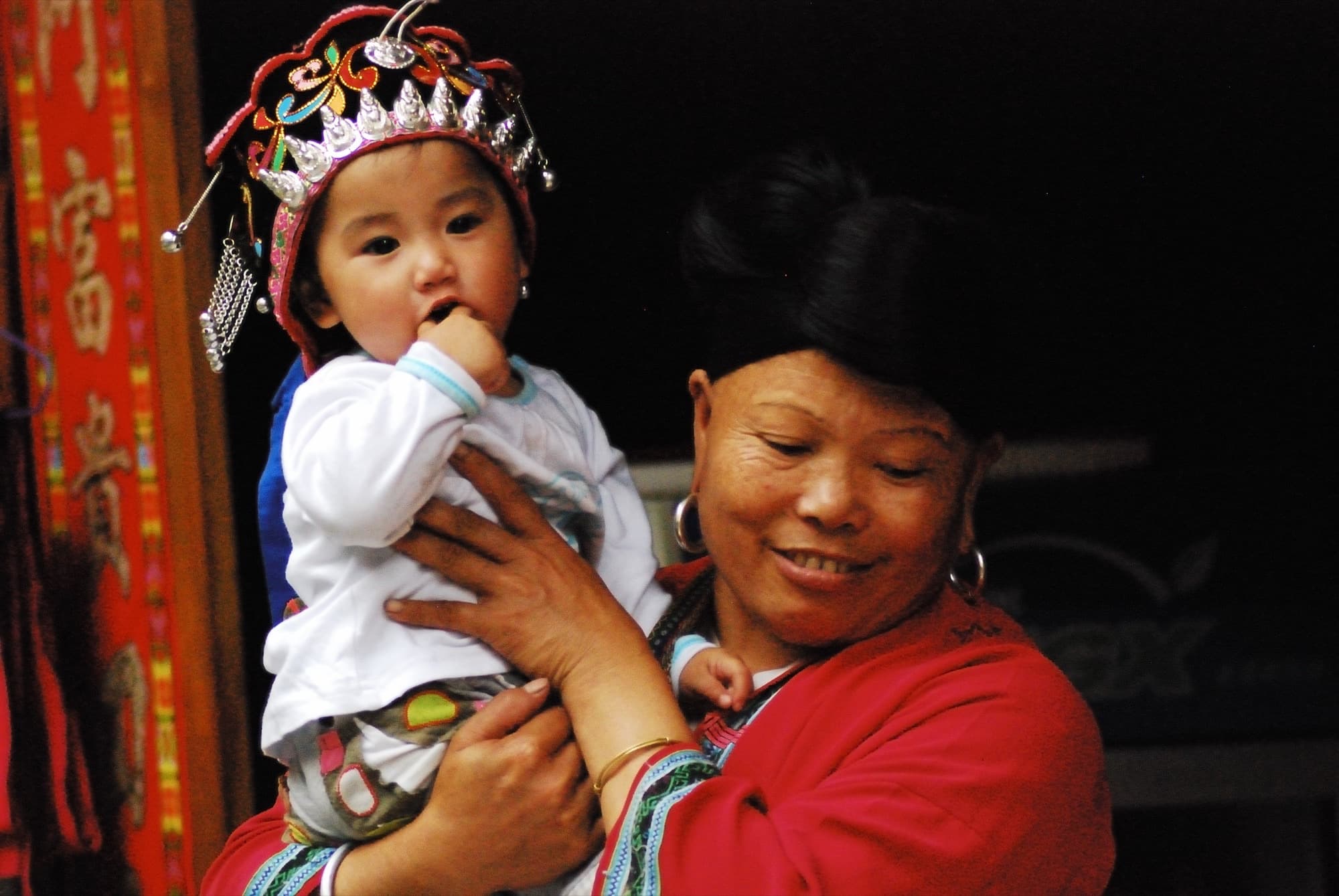
A lot of family plans quietly assume a third shift of childcare: grandparents who can cover mornings, sick days, or the years before preschool is affordable. A March 2026 survey experiment from China puts a sharper edge on what happens when that shift disappears.
Jiayi Ma, Yazhen Yang, and Yu Ding published in Social Policy and Society (open access, doi 10.1017/S1474746426101420) a Credamo survey experiment of 773 Chinese adults ages 20 to 40, fielded July to August 2024. Participants imagined married, childless life under China’s gradual Delayed Retirement Policy (statutory ages rising starting 2025). Using a difference-in-differences design across short, medium, and long retirement-delay vignettes, the authors found the policy scenarios significantly reduced expected grandparental childcare and lowered adult children’s fertility intentions: smaller ideal and planned family size, and later planned timing of a first birth.
The mechanism that mattered was time, not cash. Reduced grandparent care mediated the drop in fertility intentions. Extra grandparent economic support did not meaningfully offset it. Effects were stronger when mothers’ retirement was delayed, and strongest when both parents were delayed. Short delays mainly postponed timing. Medium and longer delays also shrank intended family size.
This is not only a China story
Italy’s pension reforms offered an earlier natural experiment. Battistin, De Nadai, and Padula (IZA Discussion Paper 8071 / CEPR DP9945) found that one additional grandparent available in early childbearing years raised the number of children by about 5%, especially in close-knit, familistic households. When retirement ages rose, informal childcare supply fell, and fertility felt it. Southern Europe and East Asia rhyme: thin formal childcare plus heavy family care makes grandparents part of the fertility infrastructure.
Young families still treat grandparent childcare as free background infrastructure. A China survey experiment and earlier Italian pension evidence show that when that time disappears, intended family size and timing shrink. Naming the dependency helps couples plan care before they plan a second nursery.
The hidden childcare subsidy many couples already price in
In China, the paper notes, formal infant care remains scarce (about 2.6 childcare slots per 1,000 people as of 2024 in the cited Ministry of Education bulletin), and more than half of grandparents provide some regular grandchild care. Active caregivers can log forty to seventy hours a week in qualitative studies the authors cite. That is not weekend babysitting. That is a parallel daycare system funded in hours, not invoices.
Diaspora households in the U.S. often run a quieter version of the same spreadsheet. Parents delay a second kid until “my mom can help.” Couples choose a metro partly because grandparents live nearby. Someone turns down a promotion that would mean no sick-day coverage. The Federal Reserve’s Report on the Economic Well-Being of U.S. Households in 2024 found that among parents with children under 13, 46% used unpaid childcare from someone other than a parent, and the child’s grandparents were the most common providers (30%). Among those using grandparent care, 17% said the grandparent lived in the household. Census ACS figures from 2021 put about 6.7 million U.S. adults 30 and over living with a grandchild, with roughly 2.1 million primarily responsible for that child’s basic needs.
Money help from elders still matters. The China experiment says it is not a substitute for hands-on hours when you are deciding whether a baby is feasible.
Why grandma’s calendar hits harder than grandpa’s paycheck
The gendered result will not surprise anyone who has watched who packs the snacks. In the Ma, Yang, and Ding study, delaying mothers’ retirement hurt fertility intentions more than delaying fathers’ alone. Grandmothers still do more intensive care in China, as in many immigrant families here. When both parents’ retirement is postponed, the hit is largest.
That maps onto a practical dinner-table truth: a grandparent who can still work full-time may send a WeChat transfer and still be unavailable for pickup at 5:40. Transfers help with formula and daycare deposits. They do not cover the Tuesday fever that ends your workday. Interviews quoted in the paper land on the same blunt line: the impact of time far outweighs the impact of money.
If your household’s fertility plan assumes an elder’s early retirement, treat that as a dependency, not a vibe. Ask what happens if they keep working, get sick, live in another state, or simply want a retirement that is not full-time daycare.
What to decide before you count on free care
Write the childcare plan without grandparents first. Center fees, nanny shares, employer backup care, sibling help, one parent pausing paid work. Our childcare cost calculator and grandparent-help cost guide exist for that honest total. Then add grandparent hours as a bonus layer, not the foundation, unless everyone has agreed in writing (or at least in a group chat that will be screenshotted later).
Talk to the elders about capacity, not obligation. How many days a week feels joyful versus depleting. Whether they are delaying their own retirement, caring for their own parents, or planning travel. Thank them without drafting them.
If relatives treat “no grandma daycare” as proof you do not want kids enough, answer with the research frame: fertility intentions respond to care infrastructure. China’s delayed-retirement experiment and Italy’s pension evidence both say unpaid grandparent hours are part of that infrastructure. Wanting a baby and needing a workable care plan are the same conversation.
Pair this with talking before kids when the real fight is whose parents move closer, and with the family-planning checklist when money, housing, and care all arrive in one spreadsheet.