
Grandparents Keep Posting Your Child's Photos. How Do You Set a Rule That Sticks?
A November commercial survey from The Senior List found most parents have posting rules for themselves, while far fewer say those rules have been talked through with grandparents. The fight usually starts after a birthday album is already public.
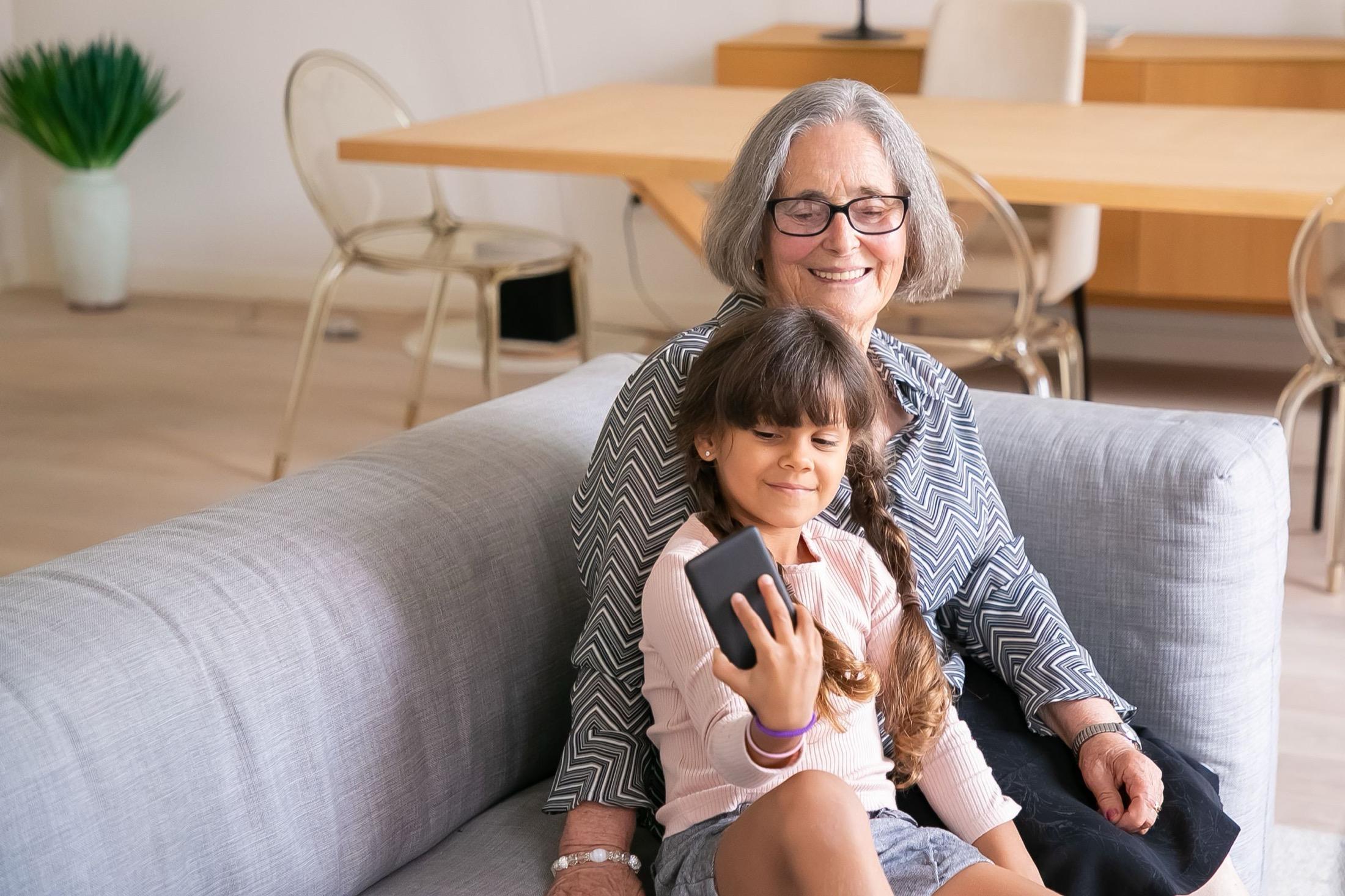
The photo lands in the family chat at 8:12 p.m. By breakfast, the same smile is on Grandma's Facebook wall, tagged with the school name and a caption about "my little genius."
You love that she is proud. You also did not approve the post.
A commercial survey from The Senior List, a senior products and services site, put numbers on that gap. In September 2026 they asked 1,009 U.S. parents and 568 grandparents about sharing kids online, a habit their report calls grandsharenting.
Three in four parents said they have rules for their own posts. Only 28% of grandparents said their adult children had discussed any posting rules with them.
Both generations already worry about strangers, routines, and AI misuse. What many families still lack is a short agreement they can point to before the next cute moment goes live.
In diaspora households, pride posts travel fast through WeChat, WhatsApp, Facebook, and cousin group chats. A clear photo rule protects the child before the next album becomes a loyalty fight.
Rules at home, silence with elders
Treat The Senior List numbers like a commercial snapshot, useful and imperfect. It is an online survey for a senior products site, run with separate parent and grandparent samples rather than matched families.
Parents often already police their own feeds. The talk reaches Grandma and Grandpa less often. Among grandparents who had heard rules, the most common one was simple: ask before posting photos or videos that show the child's face.
Open fights were fairly rare. Seventeen percent of parents with a living grandparent said they had held a photo back because they feared a post. Fourteen percent had asked for a deletion.
Eight percent said they had argued. Most reported none of those steps.
Quiet can still hide a problem. Some parents avoid the conversation, then stop sending pictures.
Elders feel shut out. Parents feel cornered. The birthday album still gets posted by someone else.
A photo agreement you can screenshot
Forget a speech about privacy values. Write four lines both sides can keep on their phones.
Start with permission. Who has to approve a post: one parent, both parents, or the child once they are old enough to care?
Does the yes expire after a day, or after you send the photo? Taking pictures for the family album is a different green light from posting them.
Then name the channels: family group text only, a private album with named relatives, closed Facebook friends, or public Instagram off-limits.
Say the awkward part too: "private" still means someone can screenshot.
Next, list the identifying details you want kept out of captions and backgrounds: face, full name, school, sports jersey number, home exterior, regular hangouts, ages.
A school logo in the corner counts. So does a street sign behind the swing set.
Finally, say what happens when someone skips the rule. First ask: delete within 24 hours. Second ask: the same request in writing in the family chat.
If it happens again, pause sending new photos for a while, or narrow who gets the albums. In The Senior List survey, some parents already do those things. Writing them down first makes the follow-through feel less personal in the moment.
If grandparents live far away and public posts are how cousins overseas see the kids, give them another lane: a weekly private photo drop, a digital frame, or a WeChat album that stays closed.
They still get to be proud. The child's face does not have to travel the whole internet to prove it.
How to say it without starting a war
Start from the worry you share. In this survey, parents and grandparents both put predators learning a child's routine, and photos turned into AI explicit images, near the top of their concerns. That gives you a plain opening: we want the same safety for this kid; here is how our house posts.
Try this first talk: "We want you to have every photo. Please text us before anything goes on Facebook or Moments. No school name, no address clues, and if we ask you to take something down, please do it the same day."
If an elder hears the rule as shame, answer the pride they are offering. "We are proud too. Public posting is a separate decision from loving the child."
When a post is already up, ask once in a private message. Send the exact link. Thank them when it comes down.
Leave the group chat out of it unless it happens again.
Our sharenting boundaries guide has a longer family photo policy if you need the full template. Tonight, four lines and one named consequence are usually enough to stop the next surprise tag.