
The Late 30s Birth Rate Passed the Early 20s
In 2025, women ages 35 to 39 had 55.2 births per 1,000, just above 52.3 for women 20 to 24. The busiest years in the new CDC file are still 30 to 34.
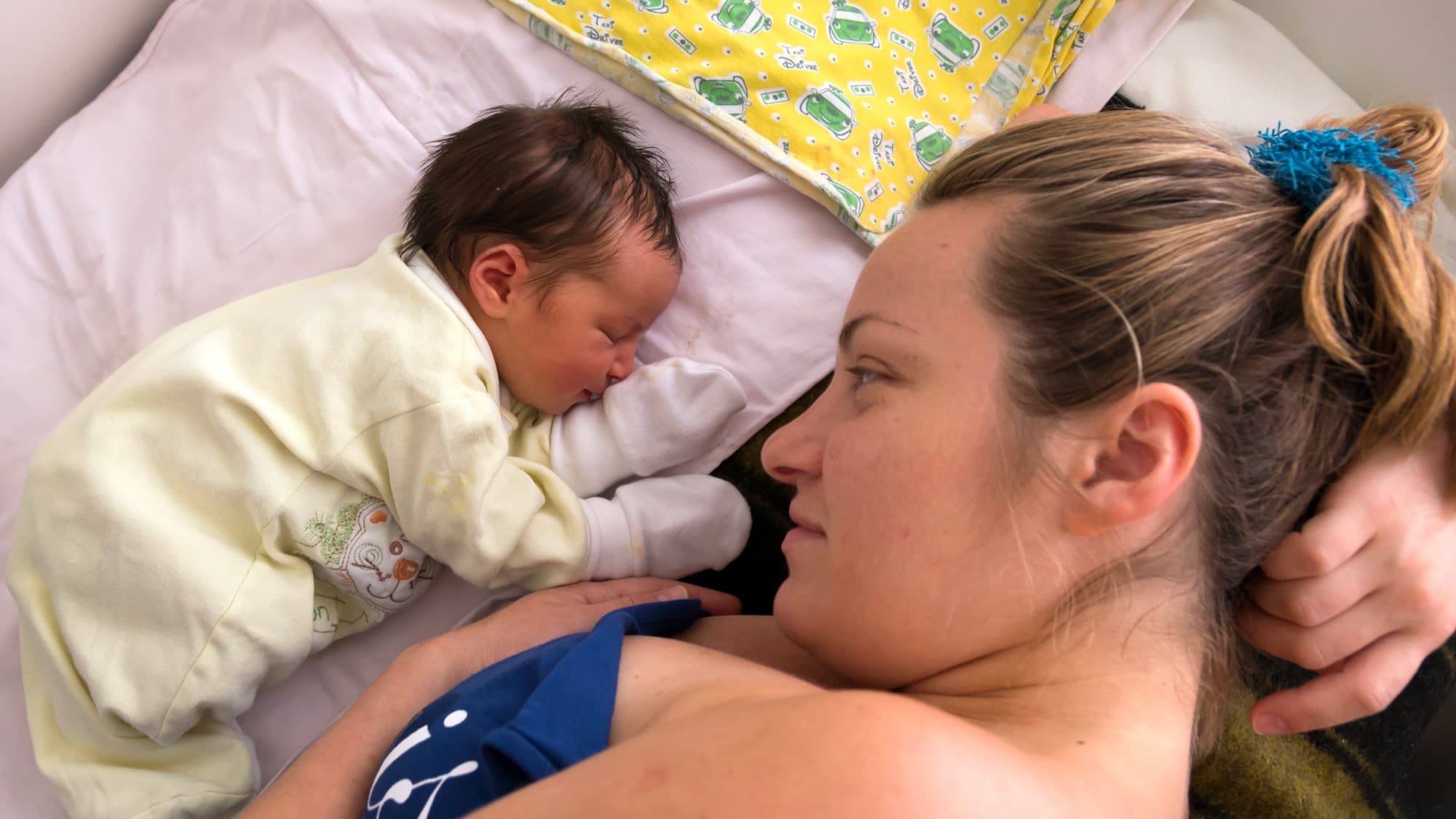
A relative doing the math usually starts with your age.
In 2025, women in their late 30s were slightly more likely to give birth than women in their early 20s. That is about 5.5 births for every 100 women in the older group, and about 5 in the younger one.
The gap is about 3 births per 1,000 women. A year earlier, the early 20s were still ahead.
A year earlier, the early 20s were ahead
In 2024 the early-20s rate was 55.8 and the late-30s rate was 54.3. Those figures are in the center's final report for 2024.
Brady Hamilton and Michelle Osterman, at the National Center for Health Statistics, wrote the October brief. In it, the late-30s rate moved ahead, to 55.2 births per 1,000 women, against 52.3.
The brief calls the 2025 rates for women under 30 record lows. The early-20s rate fell 6 percent in one year. The late-30s rate rose 2 percent.
There were 3,612,012 births, about 17,000 fewer than the 3,628,934 in 2024. The general fertility rate, births per 1,000 women ages 15 to 44, fell from 53.8 to 53.2. Hamilton and Osterman call that a record low.
The early 30s are still the peak
Women 30 to 34 had 96.3 births per 1,000, up from 93.7. That is nearly 10 births for every 100 women in one year.
Women 25 to 29 fell from 89.5 to 85.7. The 2024 report says the early-30s rate has been higher than the late-20s rate since 2016.
The gap last year was 4.2 births per 1,000. This year it is 10.6.
Ages 40 to 44 moved from 12.7 to 12.8, about 1 birth for every 78 women. Ages 45 to 49 stayed at 1.1, about 1 in 900.
The teen rate, ages 15 to 19, fell 7 percent, to 11.7.
The brief does not split these age rates by race, so it does not say whether Asian mothers crossed the same line.
The appointment and the delivery
Among mothers 20 to 24, 69.8 percent started prenatal care in the first trimester. Among mothers 30 to 34, 79.8 percent did.
Cesarean delivery was 24.5 percent among mothers 20 to 24 and 40.1 percent among mothers 35 to 39. The rate for all births stayed 32.4 percent.
If the family chat is counting years, the highest rate in this file is still ages 30 to 34. A birth in the late 30s was a little more common than one in the early 20s. The job and the recovery are a different week, and so is whether a grandparent can get there.