
The Move for the Grandbaby Is a Job
Zonda says one in four baby boomers plan to retire near family, and its September index calls the pattern baby chasing. Chinese grandparents who moved for a baby describe a day that ends at 8 or 9, and one woman sent her retirement income to a sister so her own mother would be cared for.
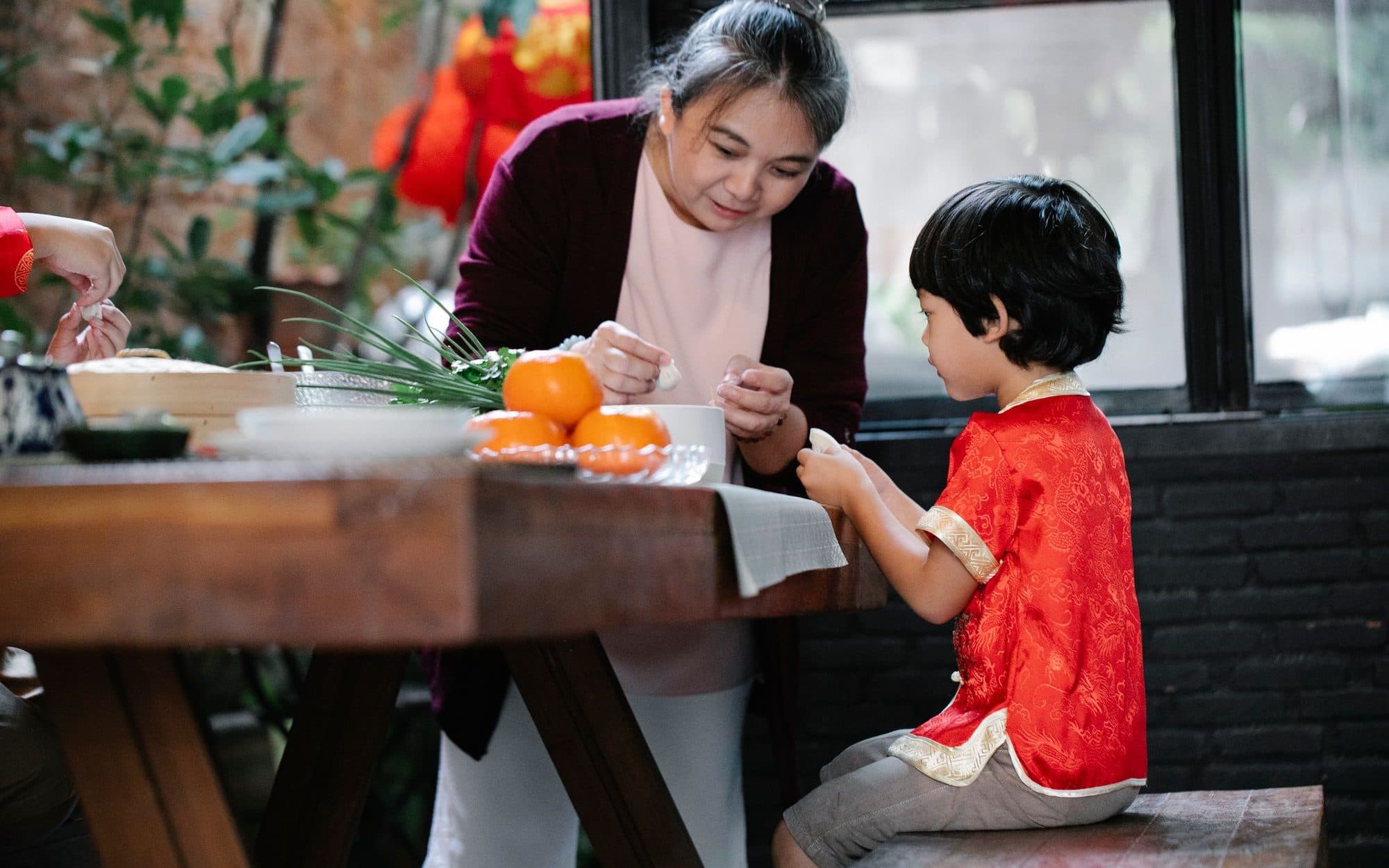
One grandmother was still teaching when her son had his first child. "What is more important? My work or my grandchild? Of course, my grandchild." She took early retirement and got on a plane.
A housing report out on September 9 has a name for that kind of move. NewHomeSource and Zonda, a housing data firm, call it "baby chasing." Raleigh tops the list, up from third, after the region added 24,000 households in 2025.
The number that travels with the list is one in four: baby boomers who plan to retire near their children or grandchildren. Zonda said that in 2024, and this year's note points back to the same research. It still does not say how many people were asked.
The ranking follows two age groups getting bigger in the same city. In metros of at least 750,000 people, Zonda looks at Census growth for ages 25 to 44 and ages 60 to 79. Both can rise in Raleigh without anyone having agreed to do Tuesday pickup.
Shaun McCutcheon, a Zonda vice president who follows the Carolinas, said the firm's consumer research finds that retirees move, first of all, to be near family. Ali Wolf, the chief economist, said older Americans often have more room to pick a city for that reason. The week after the boxes are unpacked is a different story.
Xiaolin Xie and Yan Xia asked the people who had already made the trip. Xie was at Northern Illinois University, Xia at the University of Nebraska, and they published the interviews in 2011.
They talked with 29 Chinese grandparents in a Midwestern suburb, each of whom had spent at least six months helping with a grandchild under 5. The paper does not use real names.
Most were already retired when they arrived. For them, the move was how the baby got cared for.
A ranking can tell you the city. It will not tell you the hours, the house rules, the money, or who looks after the grandparent's own parent.
The day ran as long as the job
One grandfather was still teaching when the first grandchild arrived. "I loved my work, and I was making good money, but my wife asked me quit my job and to come to the US to help our son. I did right away."
A grandmother who had lived with her daughter for 10 years was looking after two girls under 8. She cooked, cleaned, sat through piano practice, and gave insulin shots twice a day. Her daughter left in the morning and came home after 7 or 8.
Another grandmother, with two grandchildren under 4, hardly saw her daughter during the day. The daughter left at 6 a.m. for a bus, then a train, then downtown Chicago, and she got home at 8 or 9.
"If she had been in China now, she would not have to work this hard," the grandmother said. She and her husband took the hours in between. No one mentions writing any of it down.
Whose house, and whose rules
The house belonged to the adult child, and bedtime made that obvious. Several grandparents were puzzled that the baby slept in another room. They thought a parent should sleep beside an infant, so the child would not be scared.
One grandmother let the argument go. "She is the mother. Of course, she decides."
Another had a rougher time in the same house. "She seems to check on me all the time and correct everything I do," she said of her daughter-in-law.
Some of them were not even under one roof. For more than a year, a grandmother stayed in Illinois with two school-age grandchildren while her husband went to Maryland to help their other daughter with a toddler.
A grandfather, new to the country, said, "Sometimes, it gets very quiet in the house." He could not get around the way he could in China, and he could not follow the television or the newspaper.
The parent left behind
Coming for a grandchild can mean leaving a parent behind. A grandmother in her late 60s said her own mother was in her late 80s and had been living with her. Her son needed her, so she asked her sister to take their mother.
"I gave my sister all my retirement income and I flew back to visit my mom every year."
Another grandmother flew to a daughter in the United States while her son's wife was about to give birth. Her husband had just been told he had diabetes. She went because her daughter had no other relatives nearby, asked her in-laws to help her son with the new baby, and came home when a one-year visa ran out.
Put those trips next to a 2023 Pew survey and the expectation runs the other way. Kim Parker and Rachel Minkin, the researchers who wrote it up, found that 66 percent of adults say grown children have a great deal or a fair amount of responsibility to care for an elderly parent who needs it. Thirty percent say grandparents have that level of responsibility for childcare.
Sharing an address is more common in Asian American homes, and a shared address is not the same thing as taking the 6 a.m. shift. Pew's 2022 look at 2021 Census data found 24 percent of Asian Americans in a multigenerational household, compared with 13 percent of white Americans. Plenty of those homes are a grown child who has not moved out yet.
AARP asked grandparents themselves in 2018. Among Asian American and Pacific Islander grandparents, 51 percent said babysitting or daycare was a role they play, 13 points higher than grandparents overall.
About one in five lived with a grandchild. Half had at least one grandchild more than 200 miles away, and AARP said distance was what got in the way most.
The one-in-four figure is a plan a housing firm wrote down. The grandparents Xie and Xia met had already quit and taken the day. Most of the grandparents in the AARP survey were not living with a grandchild.
Write the week before the ticket
If you are about to ask a parent to come, or you are the one thinking of quitting, write the week down before anyone books a flight.
What time the parents leave, and what time the key turns in the door. The daughter in Chicago was gone from 6 a.m. until 8 or 9.
Who decides bedtime, what the baby eats, and who may correct whom. "She is the mother" is an easier sentence before the first night.
Who pays for the ticket, the groceries, and the salary that stops. One woman handed her retirement income to her sister. That money was for her own mother's care.
And while the grandchild is still small, ask who takes care of the grandparent when the need turns around, and whether the answer changes if they go home.