
Parenting in Bangladeshi American families

What may come up in family life
- Bengali language and English dominance at home
- Pohela Boishakh, Eid, and community gatherings
- Mosque, cultural school, and peer connection
- Grandparents, immigration stories, and boundaries
- Small business family labor and rest
- Mixed heritage within Bangladeshi American families
Language and food
Bengali language maintenance benefits from songs, stories, and regular conversation with elders. When both parents work long hours, weekend cultural programs and calls to relatives fill gaps. Do not shame code-switching; it is normal. Food connects generations through fish curry, biryani, pitha, and holiday dishes. Let children participate in cooking and shopping even when mess and time feel inconvenient. Explain dietary needs at school and social events. Heritage language is one thread among many, including faith practice and family stories about migration. Sylheti phrases at home alongside standard Bengali are valid, not wrong. Record elders reading stories in Bengali for playback at bedtime when live calls are hard to schedule. Pohela Boishakh crafts engage young kids when drills feel stiff. Fish markets and sweet shops on holidays build sensory memory. English dominance is not failure if stories stay alive at home. Community iftar and Pohela Boishakh events are worth the drive when local peers are scarce and your child feels alone at school.
Grandparents and expectations
Bangladeshi grandparents often provide childcare and transmit language. Their parenting style may emphasize obedience and academic focus. Appreciate help while clarifying your rules on discipline, screens, and sweets. Elders may comment on marriage timing and gender roles. Protect teens from harmful pressure while maintaining relationships when possible. Remittances and housing expectations can strain couples. Discuss finances privately before involving extended family. When grandparents live overseas, schedule regular video calls so children recognize faces and voices. Community aunties and uncles may parent by comment. Decide which advice you welcome. Housing multiple relatives affects kids sleep and study. Protect their needs even when community reputation feels at stake. Elders may expect children to translate adult bills and forms. Set age-appropriate limits on parentification.
School and identity
Bangladeshi American kids may be mislabeled as Indian in school settings. Teach comfortable correction if they want to use it. Bullying and religious bias require adult support. Encourage kids to tell you early when something feels wrong. Academic pressure is common; balance tutoring with rest and friendship. Community mosques and cultural organizations offer peers who share similar home rhythms. If heritage classes feel like a battle, explore whether timing or teaching style is the issue. Tutoring culture is strong. Schedule free time deliberately. Praise non-academic strengths loudly so cousin comparison on messaging apps loses power. Connect with Bangladeshi student groups when available.
Recommended guides
A few starting points from our library for this part of family life.
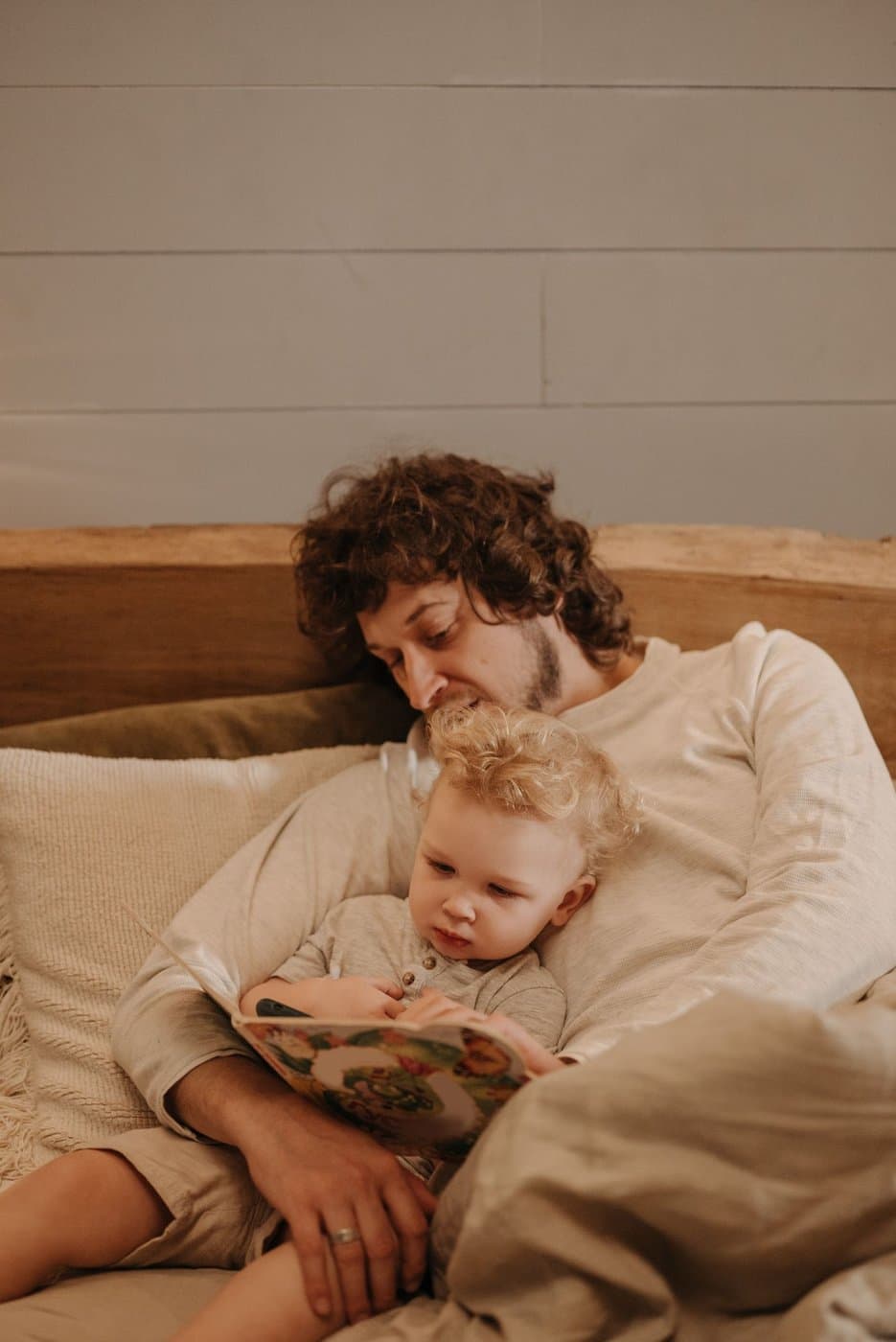
How to Keep Language Alive at Home
Practical ideas for bilingual and heritage-language families without guilt, perfectionism, or treating fluency like the only proof of love.
Leah Chen · 7 min read
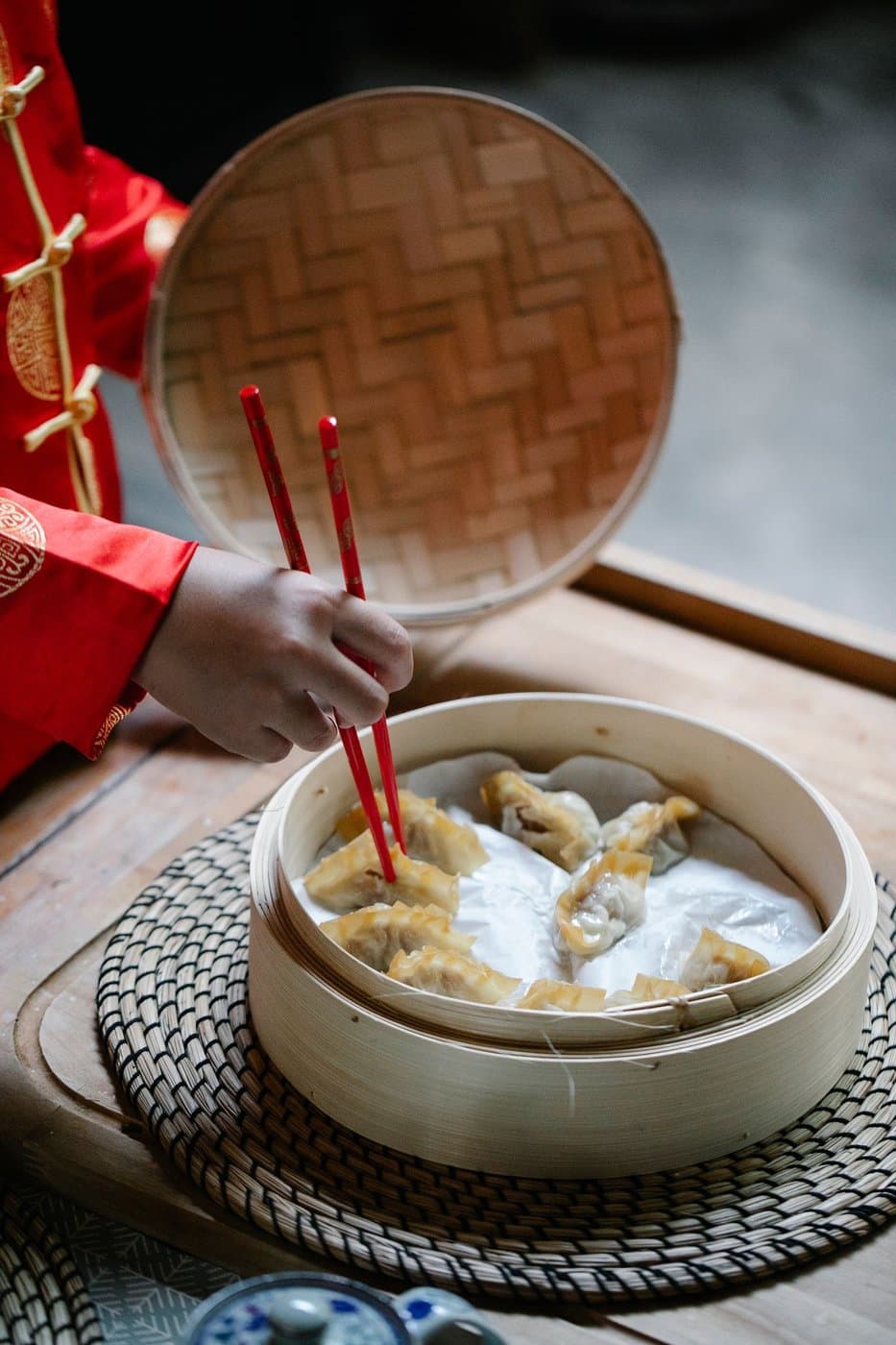
The Comfort of Soup: Food Rituals That Hold a Family Together
Soup shows up in nearly every Asian kitchen for a reason. How a simple pot can soothe bodies, mark seasons, and teach children they are cared for.
Yumi Sato · 7 min read

Grandparents, Guilt, and Love Languages That Do Not Always Match
Grandparents may show love through food, money, advice, or presence. When their love language clashes with your parenting, guilt follows. How to navigate it.
Anjali Mehta · 7 min read

When Your Family Does Not Believe in Rest
In many Asian households, rest looks like laziness. Here is how to protect your body and your child's nervous system without feeling like you are betraying your family.
Yumi Sato · 7 min read
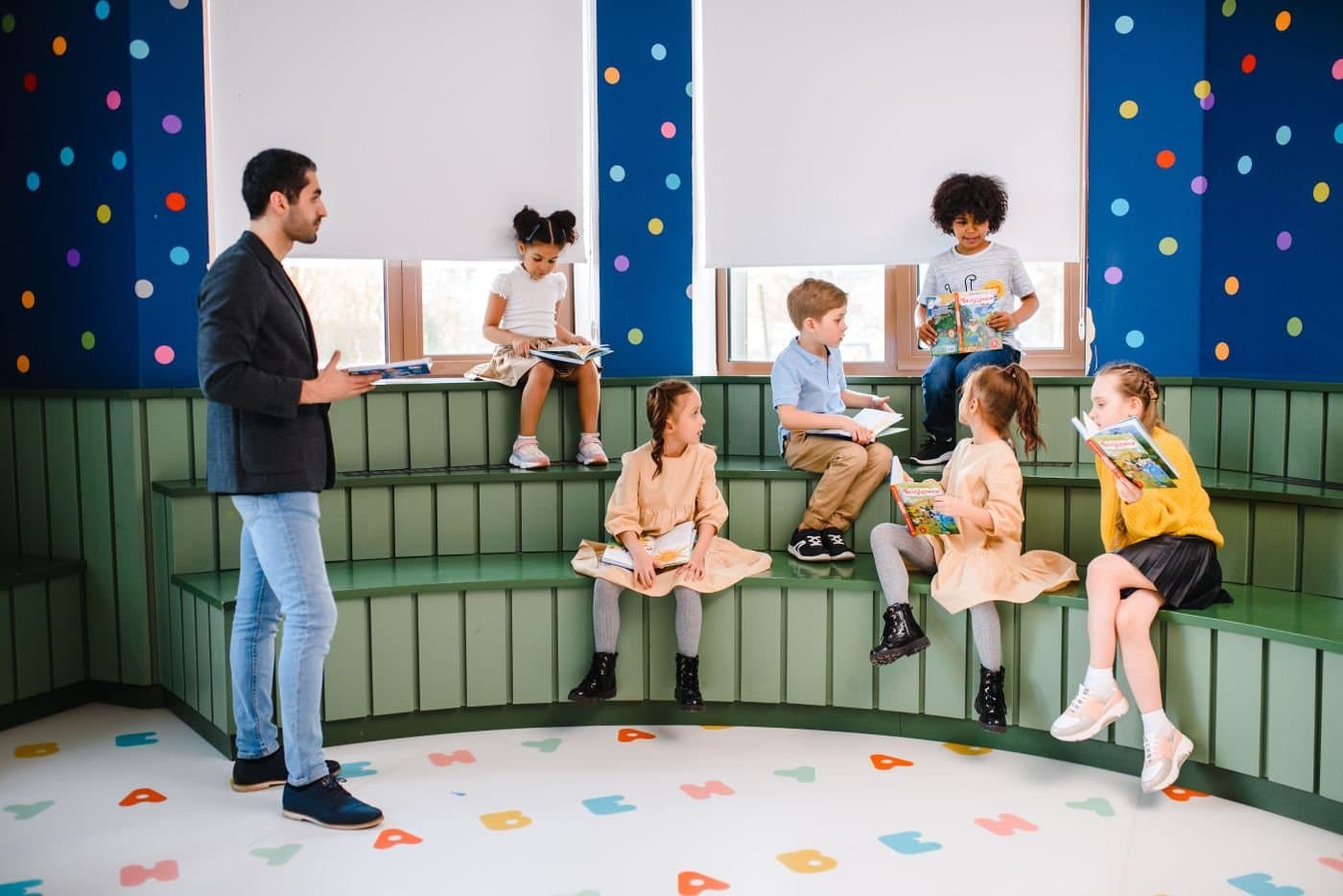
Education Without Turning Childhood Into a Resume
How to honor your family's belief in education without letting every childhood year feel like preparation for a college application.
Grace Liu · 8 min read
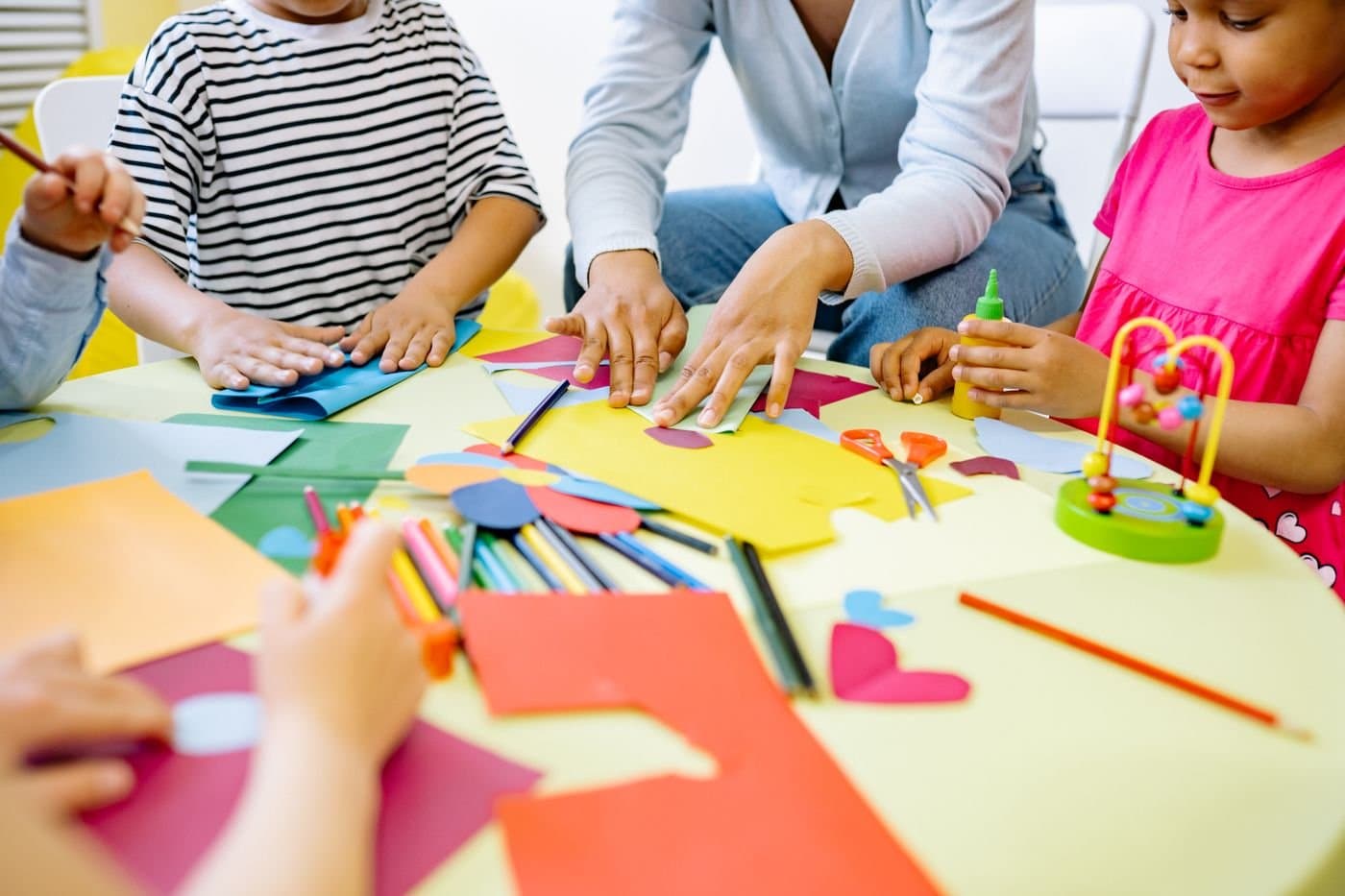
When Your Child Does Not Want to Go to Heritage School
Weekend language and culture classes matter to many families. So does a child's resistance. How to respond without shame or surrender.
Leah Chen · 7 min read

Filial Piety and Boundaries in a Modern Family
Honoring parents and protecting your own household can feel like opposite commands. Here is how some families hold both without living in permanent guilt.
Mina Han · 7 min read