
Parenting in mixed Asian families

What may come up in family life
- Honoring multiple heritages without ranking them
- Language plans when more than one is in play
- Holiday overlap and calendar negotiation
- Extended family comments and clumsy comparisons
- Food traditions from more than one kitchen
- Helping kids describe identity on their terms
Language and food
Multiple heritage languages can feel overwhelming for busy parents. You do not need fluent mastery in all of them to create connection. Prioritize consistent exposure in daily routines, even short phrases at meals or bedtime. Rotate recipes from each side of the family rather than attempting every holiday dish perfectly. Let kids choose a few anchor foods that mean home to them. Avoid quizzing language ability in front of relatives. Celebrate progress instead. A language rotation schedule can work when full trilingualism is unrealistic. Holiday potlucks mixing traditions create new family culture worth documenting in photos and recipes. Travel to one heritage country at a time may fit budget better than trying all at once in one exhausting year. Storybooks about mixed Asian families read at bedtime normalize experience when local peers are scarce.
Grandparents and expectations
Grandparents on different sides may compete subtly for influence, language time, and holiday hosting. Align with your partner before gatherings about schedules, gifts, and discipline. Correct relatives who compare cousins or imply one heritage matters more. Mixed Asian children may be favorited or overlooked based on appearance. Watch for that pattern and intervene. When elders live abroad in different countries, balance call schedules so no side feels erased. Schedule separate video calls with each side when travel is impossible. Partners should learn basic greetings in each heritage language to model effort without perfection. Thank each side publicly at holidays so kids see mutual respect modeled by both parents.
School and identity
School forms often allow only one Asian category. Talk with your child about how they want to identify and when to ask adults for better options. Mixed Asian kids may feel not enough of any group in some spaces and hyper-visible in others. Build friendships across backgrounds and seek mixed family communities online or locally when possible. Books and media with multiracial Asian characters help normalize their experience. Teach kids they can use multiple words for identity or change words over time. Heritage club at school may fit one side better. Supplement for the other at home without guilt. DNA kits can surprise families. Discuss before gifting teens. College applications may allow multiple heritage boxes. Help teens use them accurately.
Recommended guides
A few starting points from our library for this part of family life.

Raising Kids With More Than One Culture
Helping children feel whole across cultures, skin tones, languages, and family backgrounds without treating identity like a checklist to finish by age ten.
Leah Chen · 7 min read

A Gentle Guide to Mixed-Family Parenting
For families blending cultures, races, and traditions with room for imperfection, growth, and a lot less performance than Instagram suggests.
Leah Chen · 7 min read

Which Holidays Do We Celebrate?
Lunar New Year, Christmas, Diwali, Thanksgiving, Eid: mixed families often inherit more than one calendar. How to choose without guilt or exhaustion.
Leah Chen · 7 min read
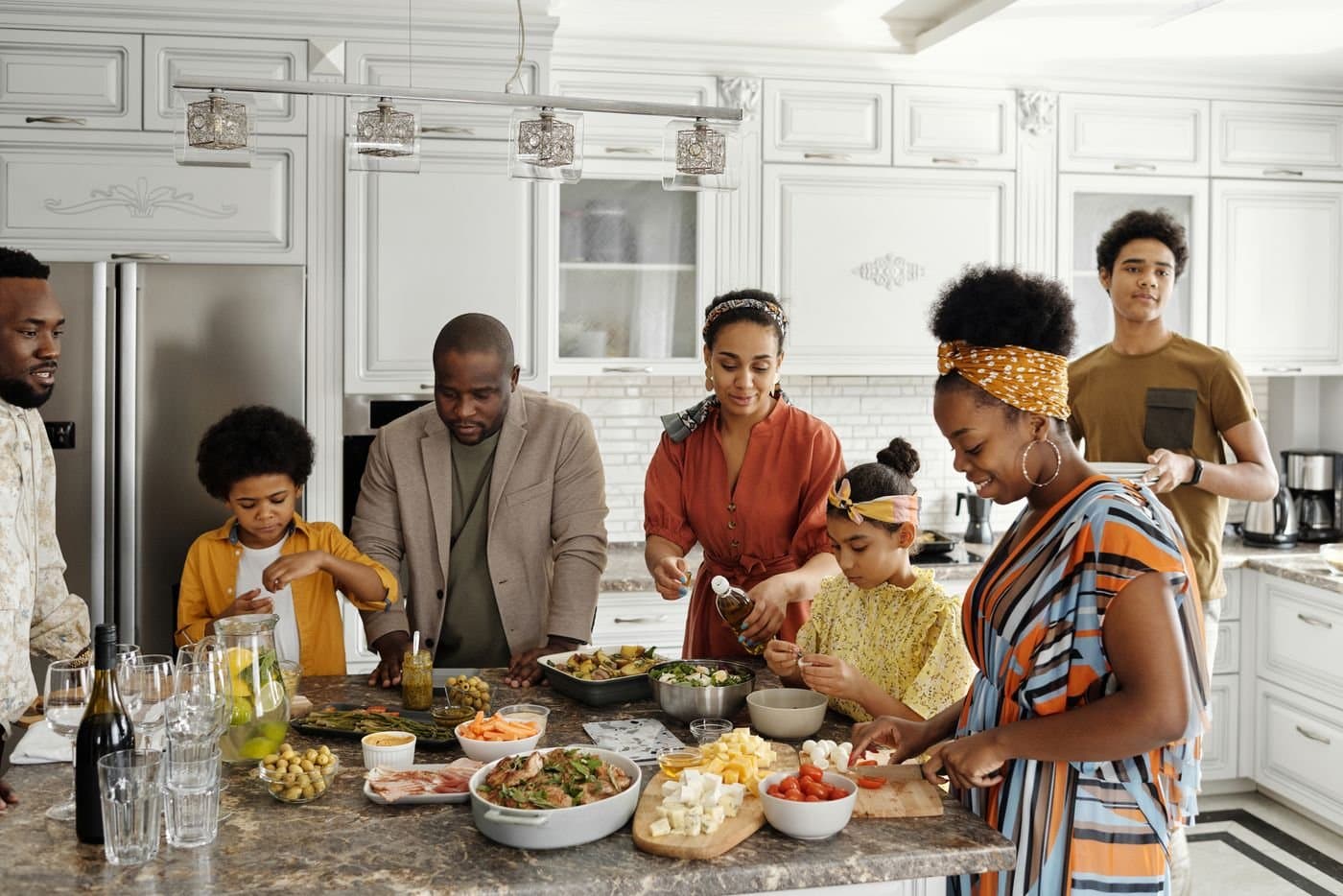
Raising Mixed Kids When Relatives Make Clumsy Comments
Aunties mean well. Cousins joke. Grandparents forget filters. Here is how to protect your child without cutting off the whole family tree.
Leah Chen · 7 min read
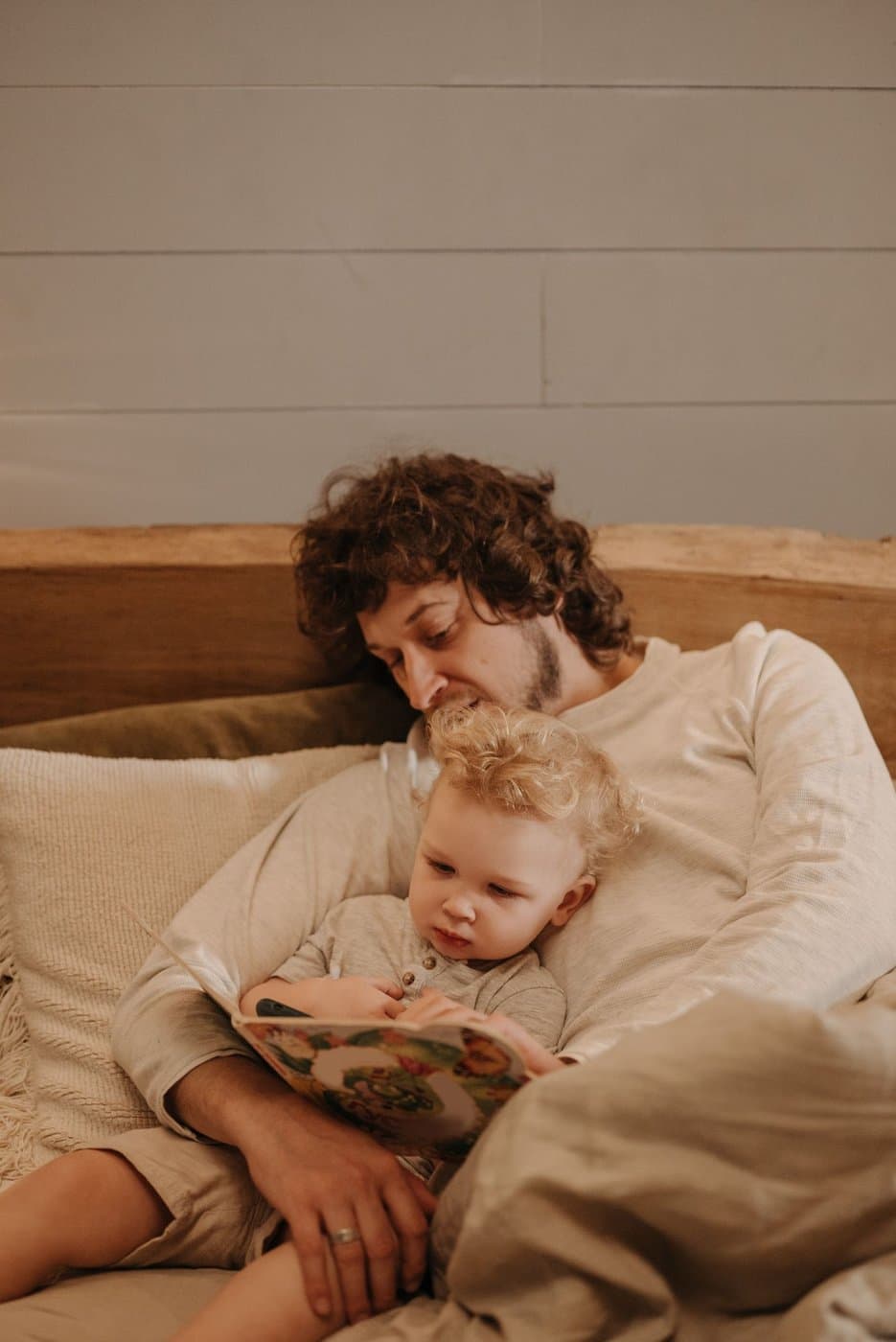
How to Keep Language Alive at Home
Practical ideas for bilingual and heritage-language families without guilt, perfectionism, or treating fluency like the only proof of love.
Leah Chen · 7 min read
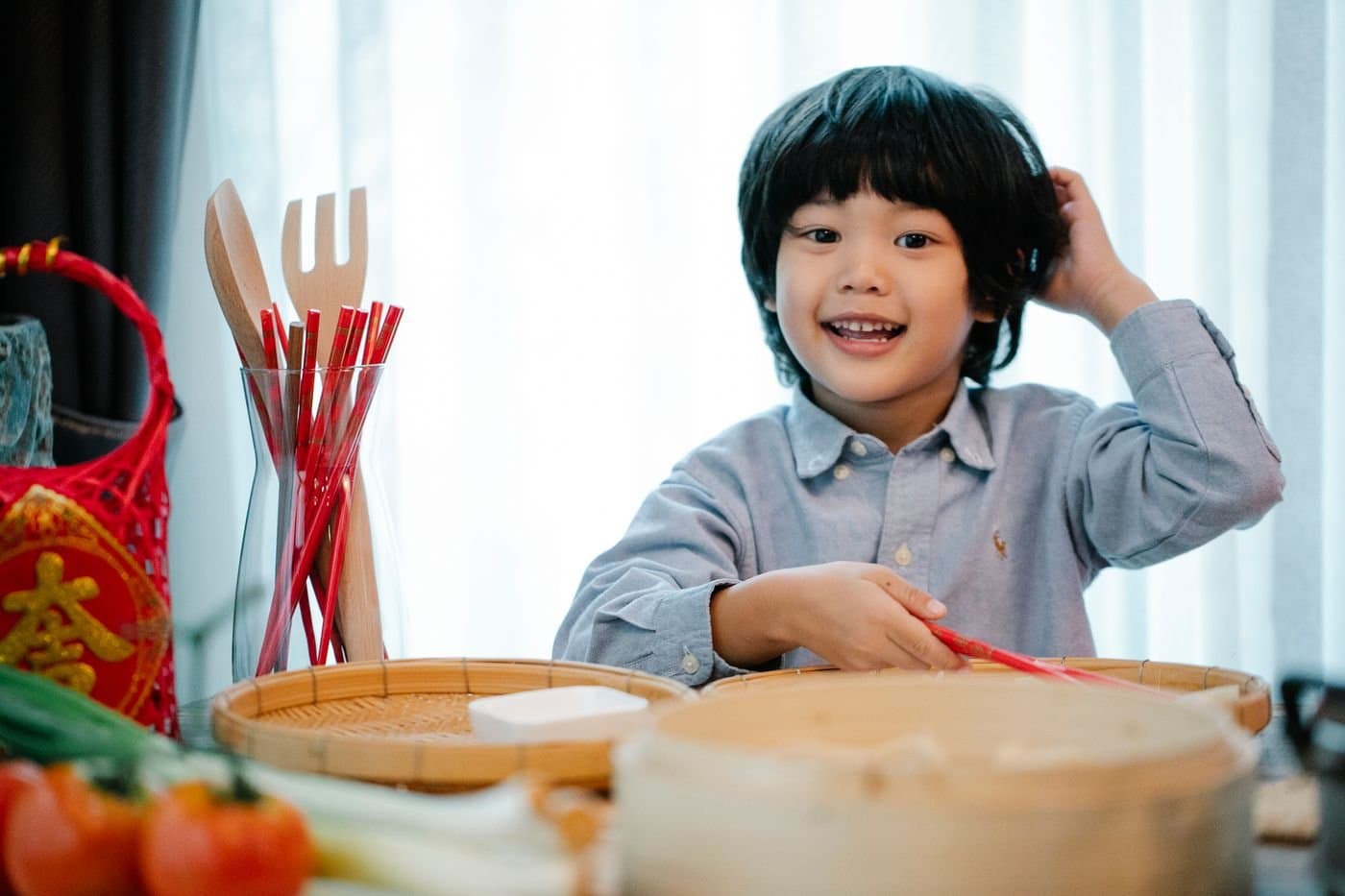
Building Family Traditions That Actually Fit Your Life
Creating rituals that honor your heritage without feeling performative, exhausting, or like you are failing a test every holiday season.
Yumi Sato · 7 min read

How to Talk About Race and Identity With Young Kids
Age-appropriate starting points for conversations about skin tone, belonging, difference, and pride without overwhelming young children or yourself.
Leah Chen · 7 min read