
Parenting in multiracial families

What may come up in family life
- Talking about race and identity early and often
- Skin tone, hair texture, and appearance questions
- Extended family acceptance across racial lines
- School forms, peers, and belonging
- Books, media, and representation that reflect your child
- When one parent carries most of the cultural labor
Language and food
Food and language often become visible markers of Asian heritage in multiracial homes. The non-Asian parent can participate actively in cooking, language apps, and holiday prep so culture is not one person's homework. Mix traditions intentionally: dumplings at Thanksgiving, or fusion recipes that tell your family's actual story. Avoid framing one side as exotic and the other as normal. Both belong. Photo books with all sides of family combat erasure. Cook with grandparents on video when travel is rare. Mark milestones with food from every side so none feels like an afterthought at the holiday table. Weekly tradition night rotating heritages keeps none invisible when calendars feel crowded.
Grandparents and expectations
Relatives on different sides may show acceptance, awkward comments, or outright bias. Prepare your child with debrief space after gatherings. Partners should respond when their family's racism or ignorance surfaces, without leaving the Asian parent to fight alone. Grandparents may favor children who look more like them. Name that pattern privately and protect your child's confidence. Create a code word your child can use when a relative comment hurts and they want to leave the room. Siblings may choose different identity words. Avoid correcting them in public. Debrief privately instead. Partners should debrief after family visits until kids are teens. Relatives who improve over time deserve acknowledgment.
School and identity
Multiracial children may be miscategorized by teachers and peers. Teach them they can correct adults respectfully. Discuss microaggressions and friendship dynamics openly. Do not wait for a crisis. Choose schools and communities thoughtfully when you have options, looking for diversity and responsive staff. Identity development takes years. Leave room for change without taking shifts personally. DNA test curiosity in adolescence is common. Discuss without shame. Summer camps for multiracial kids can reduce isolation when local friends are few. Identity shifts in college are common. Stay connected without controlling their language. Friend groups may shift after moves. Identity language may shift too. Stay curious without panic when words change. Therapy with multiracial competency is worth seeking when identity stress peaks in middle school, even if family stigma makes asking hard.
Recommended guides
A few starting points from our library for this part of family life.
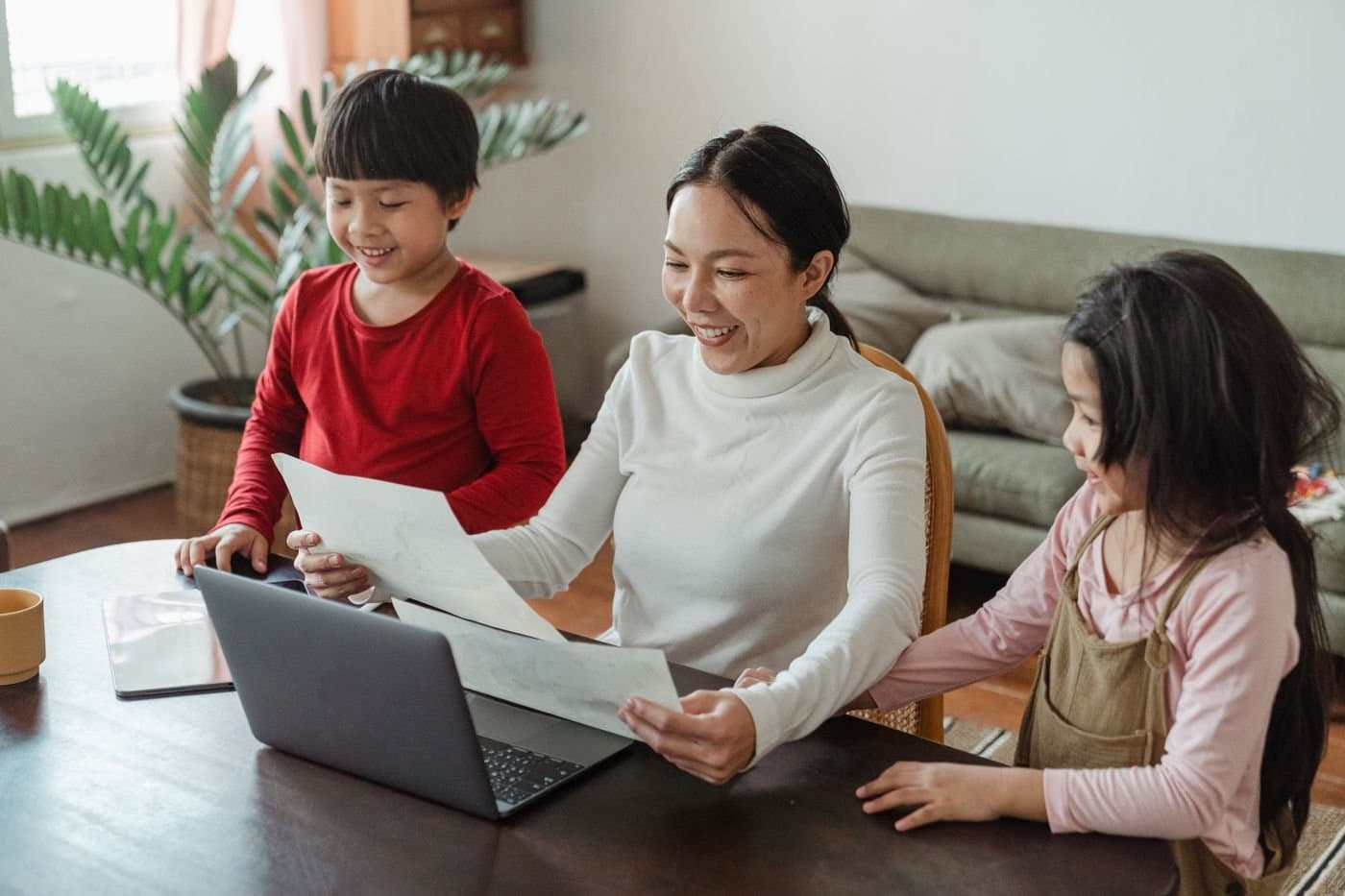
How to Talk About Race and Identity With Young Kids
Age-appropriate starting points for conversations about skin tone, belonging, difference, and pride without overwhelming young children or yourself.
Leah Chen · 7 min read
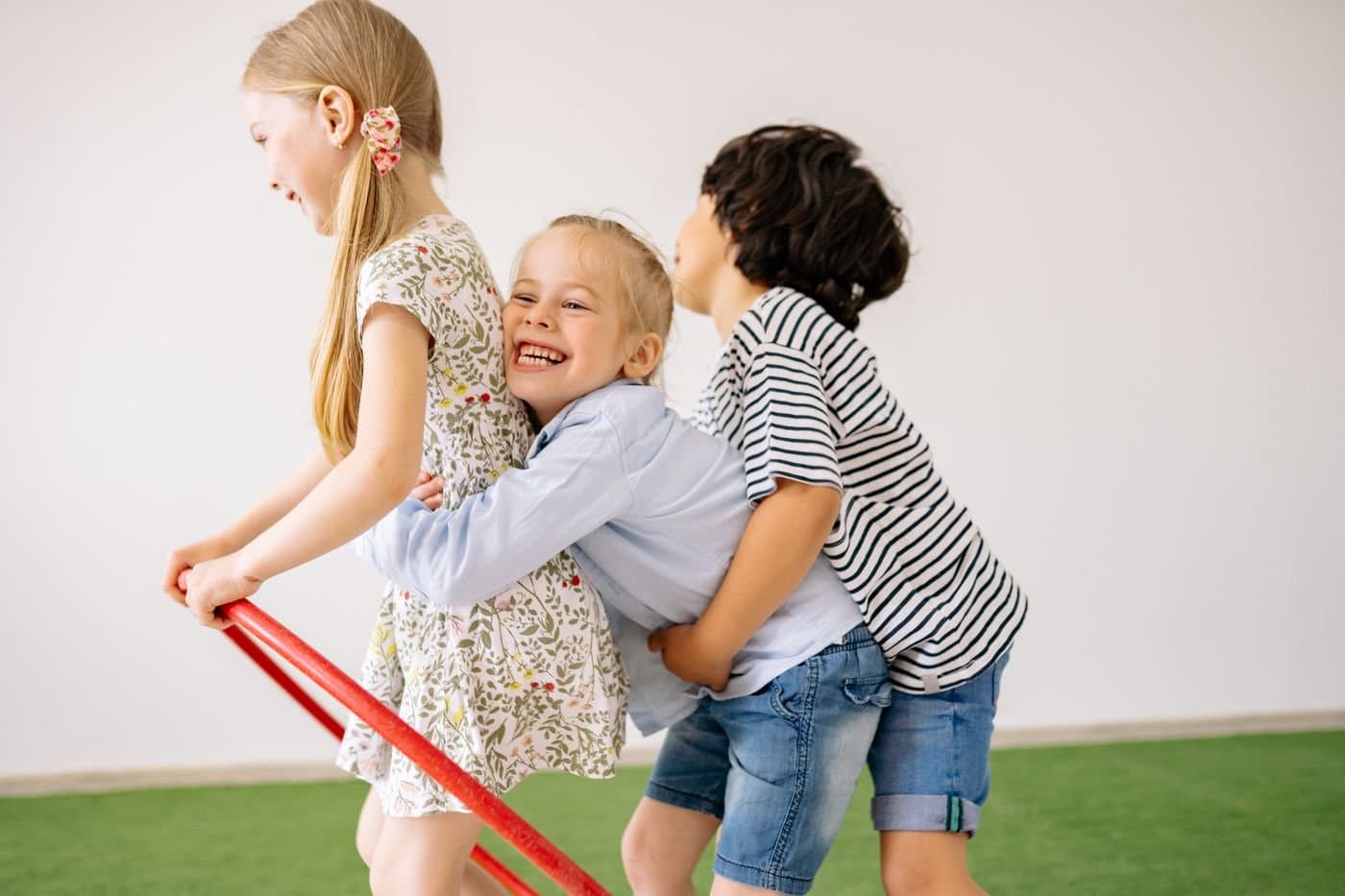
A Gentle Guide to Mixed-Family Parenting
For families blending cultures, races, and traditions with room for imperfection, growth, and a lot less performance than Instagram suggests.
Leah Chen · 7 min read
Raising Kids With More Than One Culture
Helping children feel whole across cultures, skin tones, languages, and family backgrounds without treating identity like a checklist to finish by age ten.
Leah Chen · 7 min read
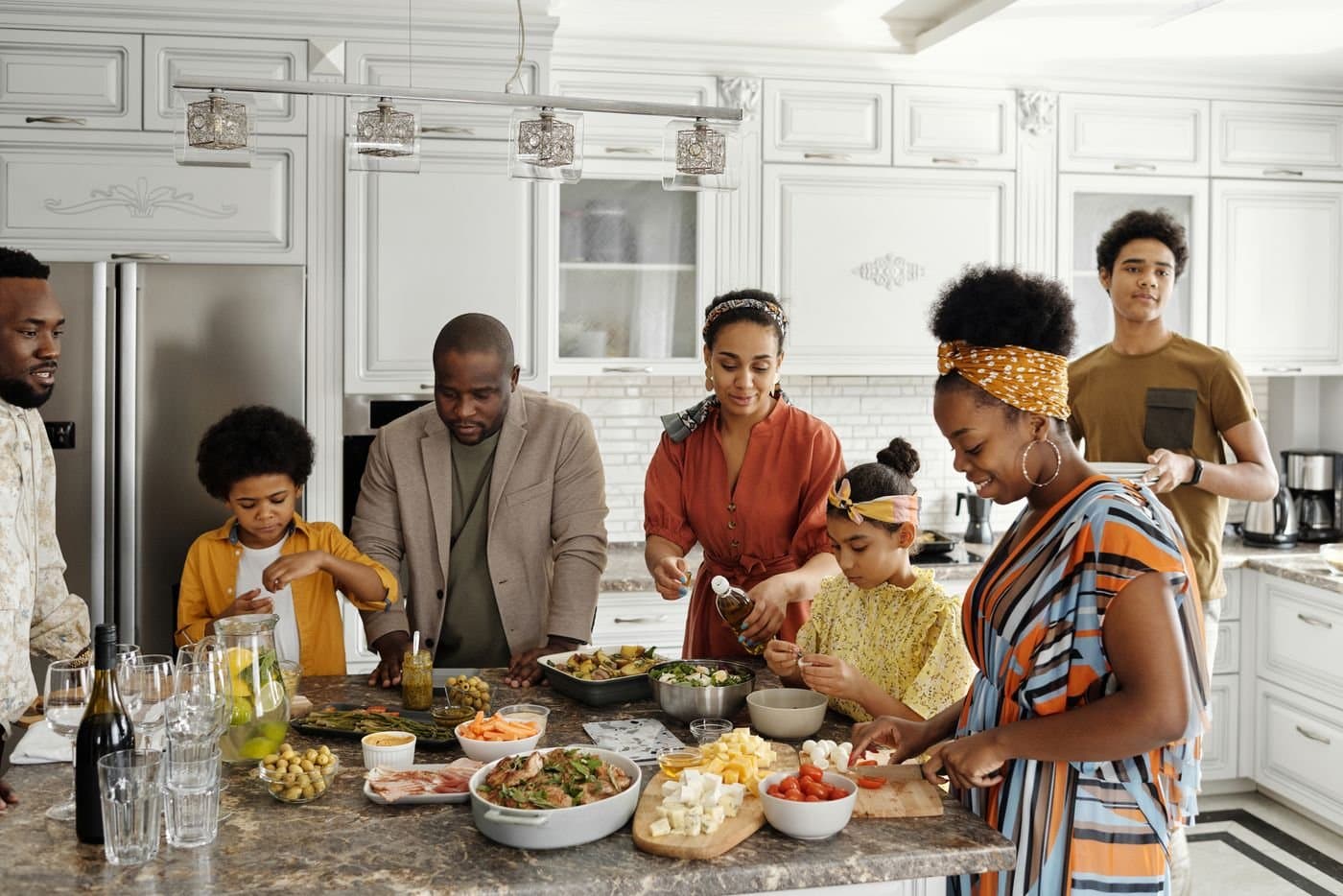
Raising Mixed Kids When Relatives Make Clumsy Comments
Aunties mean well. Cousins joke. Grandparents forget filters. Here is how to protect your child without cutting off the whole family tree.
Leah Chen · 7 min read
A Mixed-Couple Guide to Naming Your Baby
Choosing a name when two families, two languages, and two sets of expectations meet in one small word.
Leah Chen · 6 min read
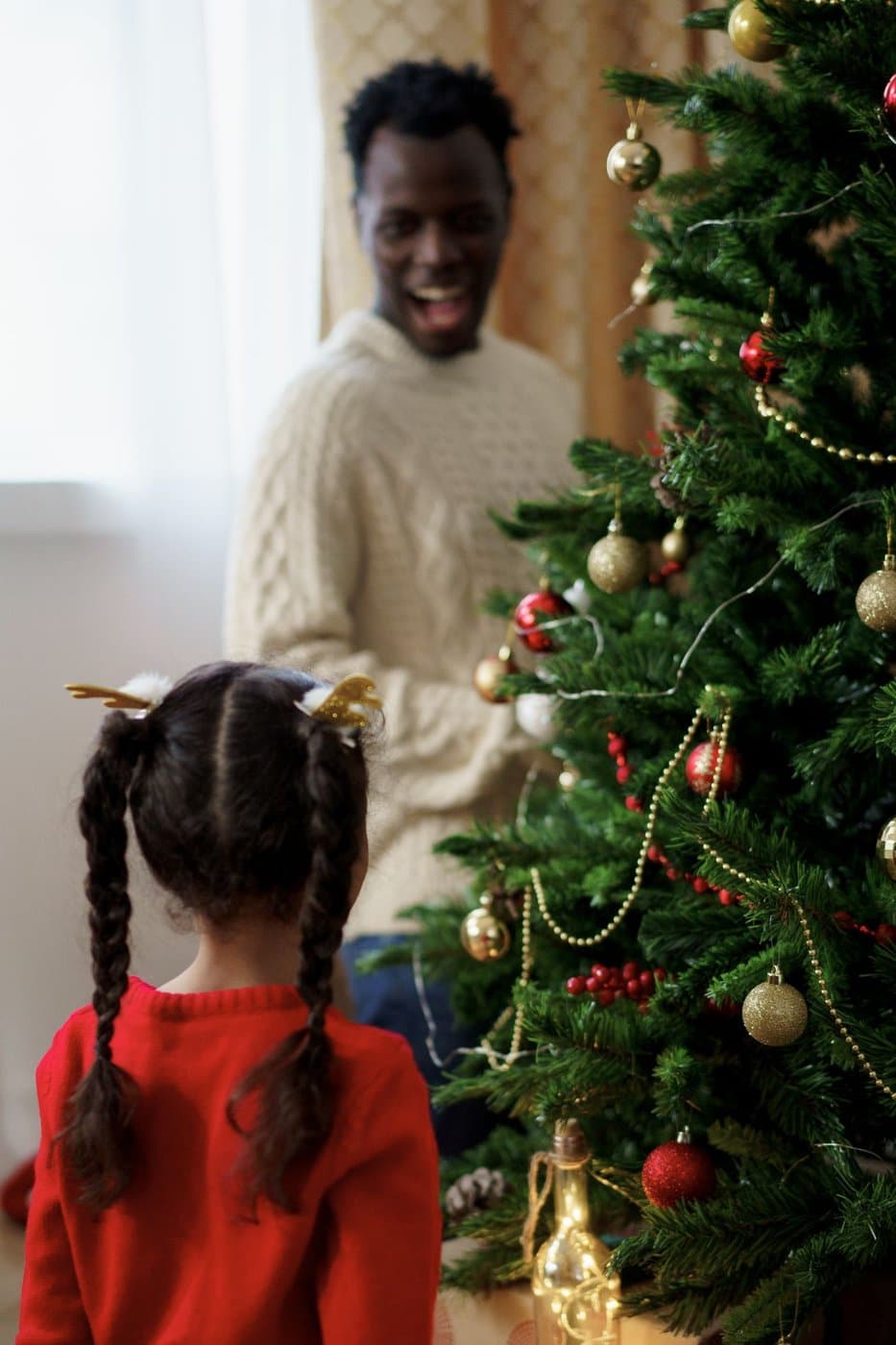
Which Holidays Do We Celebrate?
Lunar New Year, Christmas, Diwali, Thanksgiving, Eid: mixed families often inherit more than one calendar. How to choose without guilt or exhaustion.
Leah Chen · 7 min read
How to Teach Kids to Care for Their Bodies Without Shame
Hygiene, health, puberty, and safety without the cringe, the fear, or the silence many of us inherited from families that never named bodies plainly.
Nadia Rahman · 7 min read