
Parenting in Pakistani American families
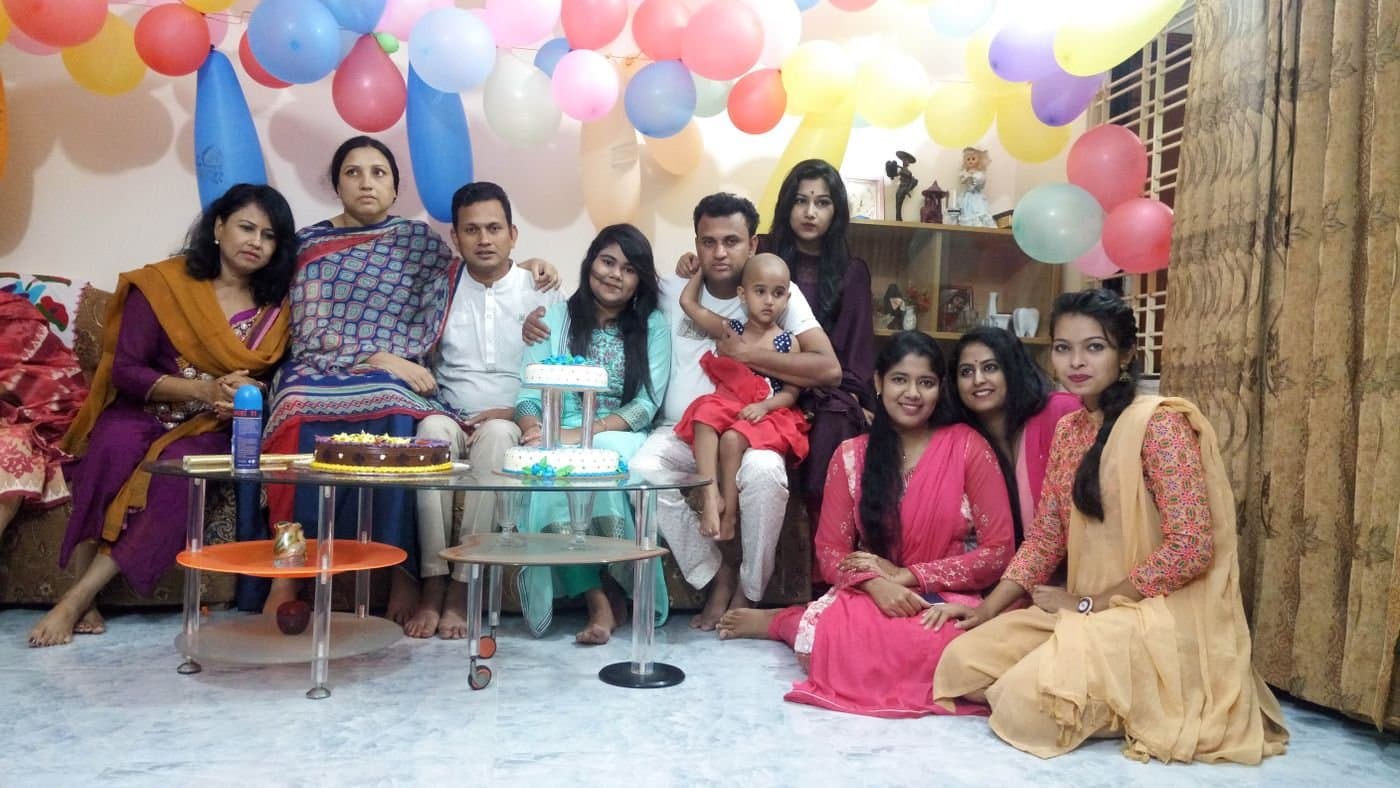
What may come up in family life
- Urdu, Punjabi, and heritage language at home
- Ramadan, Eid, and mosque community life
- Modesty, gender expectations, and evolving norms
- Extended family, marriage pressure, and boundaries
- Political and regional identity in diaspora settings
- Mixed heritage and interfaith Pakistani American families
Language and food
Urdu may be spoken at home alongside regional languages such as Punjabi or Pashto. English often dominates by the second generation. Maintain connection through music, Quran recitation classes if desired, and everyday phrases at meals. Ramadan and Eid rhythms teach culture through practice. Food carries region and memory: biryani, nihari, chapati, and holiday sweets differ by family origin. Involve kids in preparing iftar or Eid dishes even when schedules are tight. Discuss halal needs clearly with schools and friends' parents. Language should feel like belonging, not a test of loyalty. Urdu apps and Pakistani dramas help teens when classes are unavailable. Halal lunch planning with schools prevents last-minute crises. Regional foods from Sindh, Balochistan, or KPK deserve names beyond generic biryani in diaspora media. Cricket on TV with chai connects teens when classes are unavailable. Urdu poetry nights online can inspire older kids.
Grandparents and expectations
Pakistani grandparents may expect deep involvement in naming, ceremonies, and discipline. Their wisdom and childcare support can anchor busy working parents. Conflicts often arise around gender roles, marriage comments, and comparisons among cousins. Set boundaries with respect and consistency. Partners should align before family meetings. When elders live abroad, frequent calls and visits maintain ties. Teach children courteous greetings without forcing affection that feels uncomfortable. Financial help for relatives may be expected. Decide together what is sustainable and explain decisions calmly when limits are needed. Rishta pressure on teens hurts mental health. Redirect relatives toward age-appropriate topics. When elders fund weddings or education, clarify expectations calmly. Mehndi nights can be joyful without extravagant spending pressure on your household. Cousin marriage comments and rishta jokes harm teens. Shut them down calmly but firmly every time they appear.
School and identity
Pakistani American children may face Islamophobia, curiosity about fasting, and questions about culture and dress. Prepare kids with simple explanations they control. Notify teachers about Ramadan needs when appropriate. Some students excel academically while feeling socially isolated. Build friendships through mosque youth programs, sports, and school clubs. Model pride in identity without requiring your child to represent all Muslims or all Pakistan. Mental health stigma remains in some communities. Normalize support seeking when stress is high. Hijab, fasting, and prayer need teacher allies. Build them early each school year. Pakistani American athletes and writers expand kids sense of possibility beyond medicine and engineering paths alone. Islamophobia requires practical safety planning, not only pride talks. Help kids know who to tell at school if harassment occurs.
Mixed and multiracial family notes
Interfaith or intercultural marriages may draw scrutiny from relatives. Shield children from adult debates. Decide which religious and cultural practices you will share and explain them in kid-friendly language.
Recommended guides
A few starting points from our library for this part of family life.
How to Keep Language Alive at Home
Practical ideas for bilingual and heritage-language families without guilt, perfectionism, or treating fluency like the only proof of love.
Leah Chen · 7 min read

Which Holidays Do We Celebrate?
Lunar New Year, Christmas, Diwali, Thanksgiving, Eid: mixed families often inherit more than one calendar. How to choose without guilt or exhaustion.
Leah Chen · 7 min read

How to Set Boundaries With Grandparents
Scripts and frameworks for diaspora families setting visit limits, childcare rules, and pushback on advice—from drop-ins and weight comments to in-laws who help daily.
Mina Han · 9 min read
When Your Non-Asian Partner Doesn't Share Your Family Obligation
You were raised to show up for elders. Your partner was raised to build a separate household. Neither is wrong, but the gap can feel lonely.
Leah Chen · 7 min read

How to Pack Lunches That Feel Like Home
School lunch can be a bright spot in your child's day. Practical ideas for packing food that comforts, nourishes, and reflects your family.
Sofia Reyes Tan · 7 min read

How to Talk About Race and Identity With Young Kids
Age-appropriate starting points for conversations about skin tone, belonging, difference, and pride without overwhelming young children or yourself.
Leah Chen · 7 min read
How to Talk to Teachers When You Were Raised Not to Make Trouble
Many Asian American parents were taught to respect authority and stay quiet. Advocating for your child at school can feel uncomfortable and necessary at once.
Mina Han · 7 min read