
Parenting in Taiwanese American families
What may come up in family life
- Mandarin, Hokkien, Hakka, and heritage language choices
- Lunar New Year, Dragon Boat Festival, and Mid-Autumn gatherings
- Naming Taiwan and answering identity questions with care
- Grandparents, aunties, and intergenerational expectations
- Academic pressure and balancing enrichment with play
- Connection to Taiwan through food, travel, church, and community
Language and food
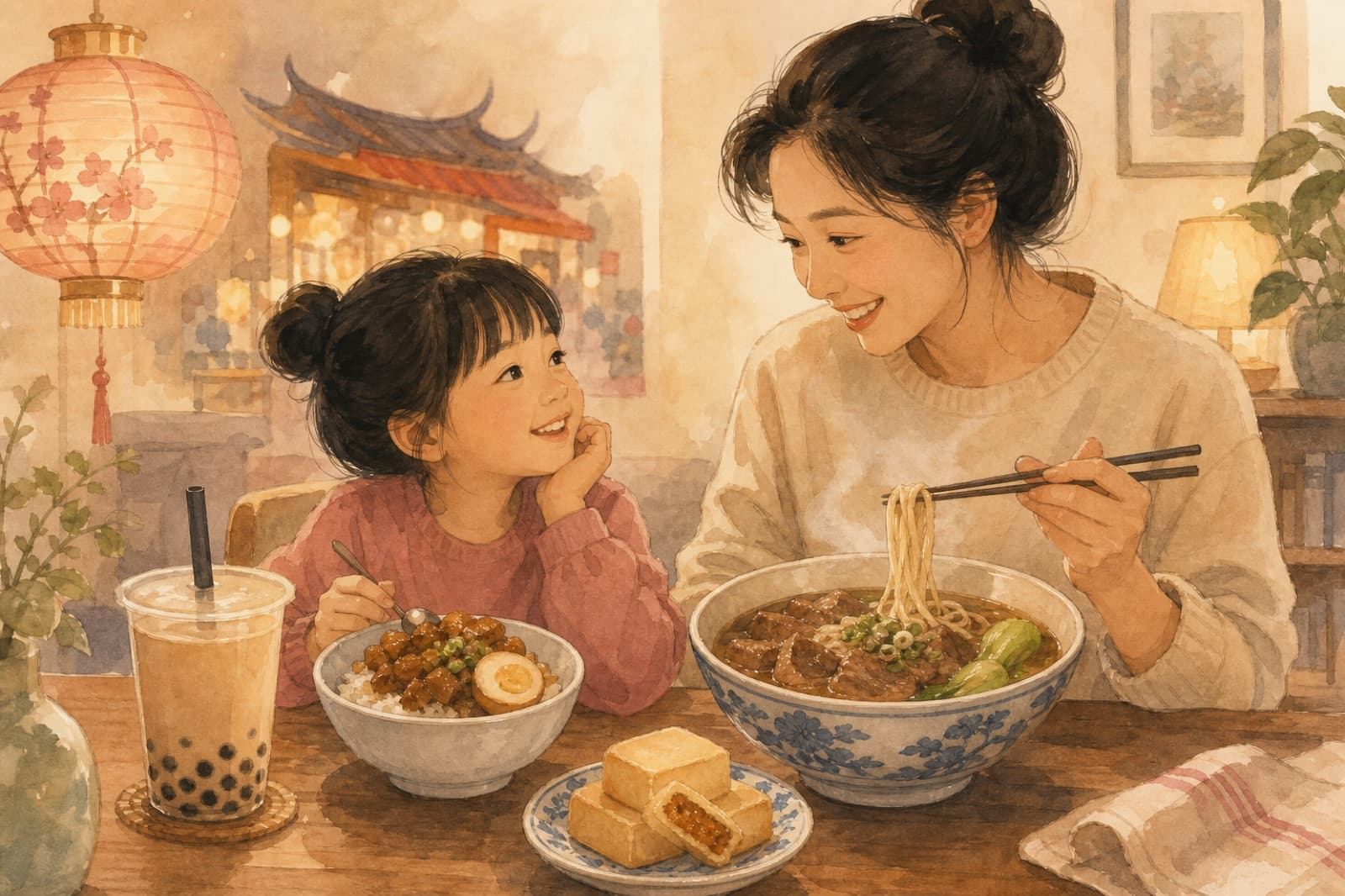
Home language may be Mandarin, Taiwanese Hokkien, Hakka, English, or a mix that shifts by generation. Some parents fear English means losing Taiwan. Others keep the bond through mealtime phrases, bedtime stories, and weekend video calls even when full fluency is out of reach. Weekend language school and summer camps help until the calendar snaps. Burnout is real when homework and soccer already fill the week. Food is often the easiest bridge. Beef noodle soup, lu rou fan, oyster omelets, and pineapple cakes change by county and by whose recipe card you trust. Let kids pick a dish at the Asian market and learn it with you. Bubble tea and night-market snacks are fair entry points for teens who will not sit through another textbook lesson. Write down the names elders use for dishes, even when the romanization disagrees with what school teaches. If your child hesitates to call themselves Taiwanese in certain rooms, ask what feels hard before you argue the vocabulary.
Grandparents and expectations
Taiwanese grandparents often love through food, frequent LINE calls, and strong opinions about manners and school. Distance is common, which can mean late-night chats and guilt about visits that keep getting postponed. Elders who lived through martial law or sharp political transitions may sound strict or emotionally reserved. Context helps. It does not require accepting comments about weight, gender, or careers that leave your child smaller. On long visits, set house rules early: bedtime, sugar, screens, and who decides in the moment. If elders help with childcare, name which calls they can make alone and which need you. Cross-strait talk can heat up at the table. Decide a redirect phrase and a quiet activity for kids before the argument becomes theirs to manage. Partners from outside the community need a plain explanation of why certain names or symbols feel loaded. When grandparents split the year between Taiwan and your home, plan sleep and homework re-entry so the first week back is not a crisis.
School and identity
School forms and classmates may file your child under Chinese even when your home language and identity words are different. Give kids a short way to describe their background if they want one, and permission to come ask you when an adult's question feels off. They do not owe every cafeteria a seminar. Tutoring pressure and cousin comparisons still show up in many families. Validate effort and character, not only scores. If your child is one of few Asian students, build peers inside and outside school. Heritage programs and Taiwanese churches can help, though temperament matters as much as culture. Summer visits to Taiwan boost language and belonging when they feel chosen, not like a grade for last semester. College talk may lean hard on sacrifice stories. Support ambition while saying out loud that rest is not a betrayal. When teens are ready, Taiwanese student groups can be a softer landing than another AP elective stacked by default.
Mixed and multiracial family notes
When one parent is Taiwanese and another is not, relatives may test the child on language, food preferences, or how they name Taiwan. Create private space for awkward questions without an audience of aunties. Agree ahead which holidays you will host, which words you will use in introductions, and how you will answer school projects that offer only a China checkbox. The non-Taiwanese partner should get context early, not a surprise at the reunion.
Recommended guides
A few starting points from our library for this part of family life.
How to Keep Language Alive at Home
Practical ideas for bilingual and heritage-language families without guilt, perfectionism, or treating fluency like the only proof of love.
Leah Chen · 7 min read
Bilingual Baby Routines Without Perfection
Raising a bilingual baby when relatives monitor language like a report card.
Leah Chen · 7 min read
Grandparents, Guilt, and Love Languages That Do Not Always Match
Grandparents may show love through food, money, advice, or presence. When their love language clashes with your parenting, guilt follows. How to navigate it.
Anjali Mehta · 7 min read

The First Year With Baby When Family Is Far Away
Raising a baby an ocean away from grandparents, aunties, and the village you wish were next door.
Sofia Reyes Tan · 9 min read
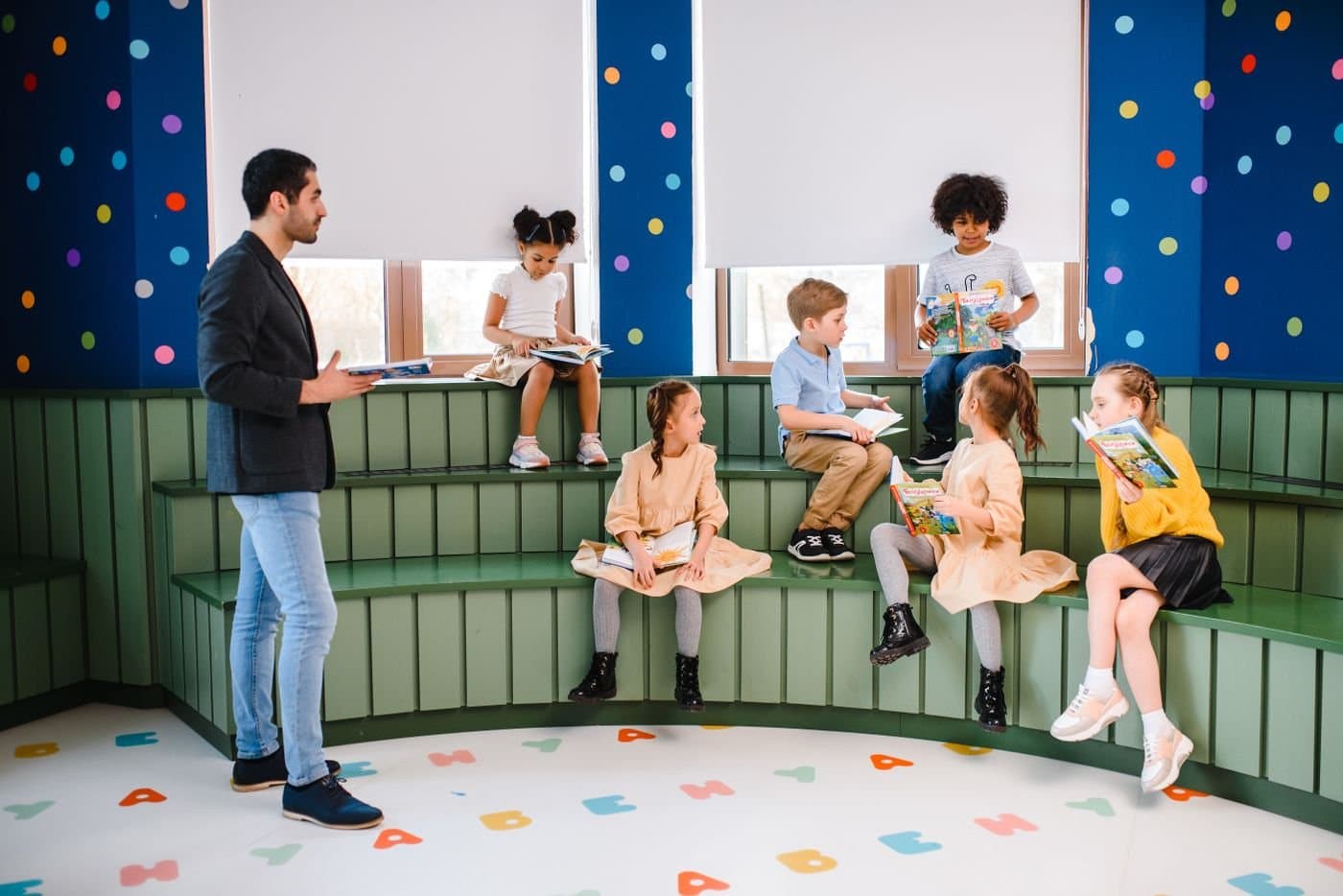
Education Without Turning Childhood Into a Resume
How to honor your family's belief in education without letting every childhood year feel like preparation for a college application.
Grace Liu · 8 min read
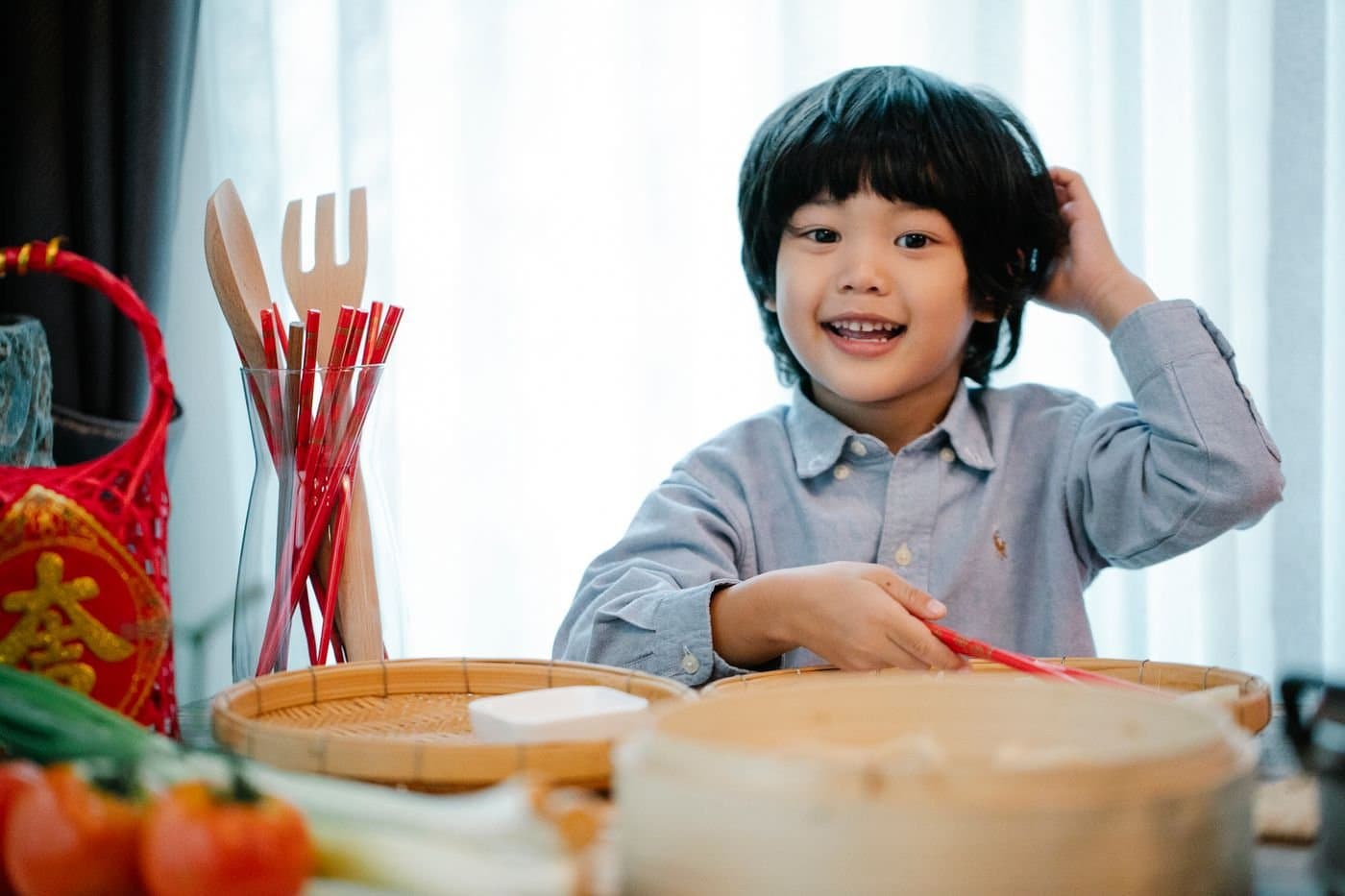
Building Family Traditions That Actually Fit Your Life
Creating rituals that honor your heritage without feeling performative, exhausting, or like you are failing a test every holiday season.
Yumi Sato · 7 min read
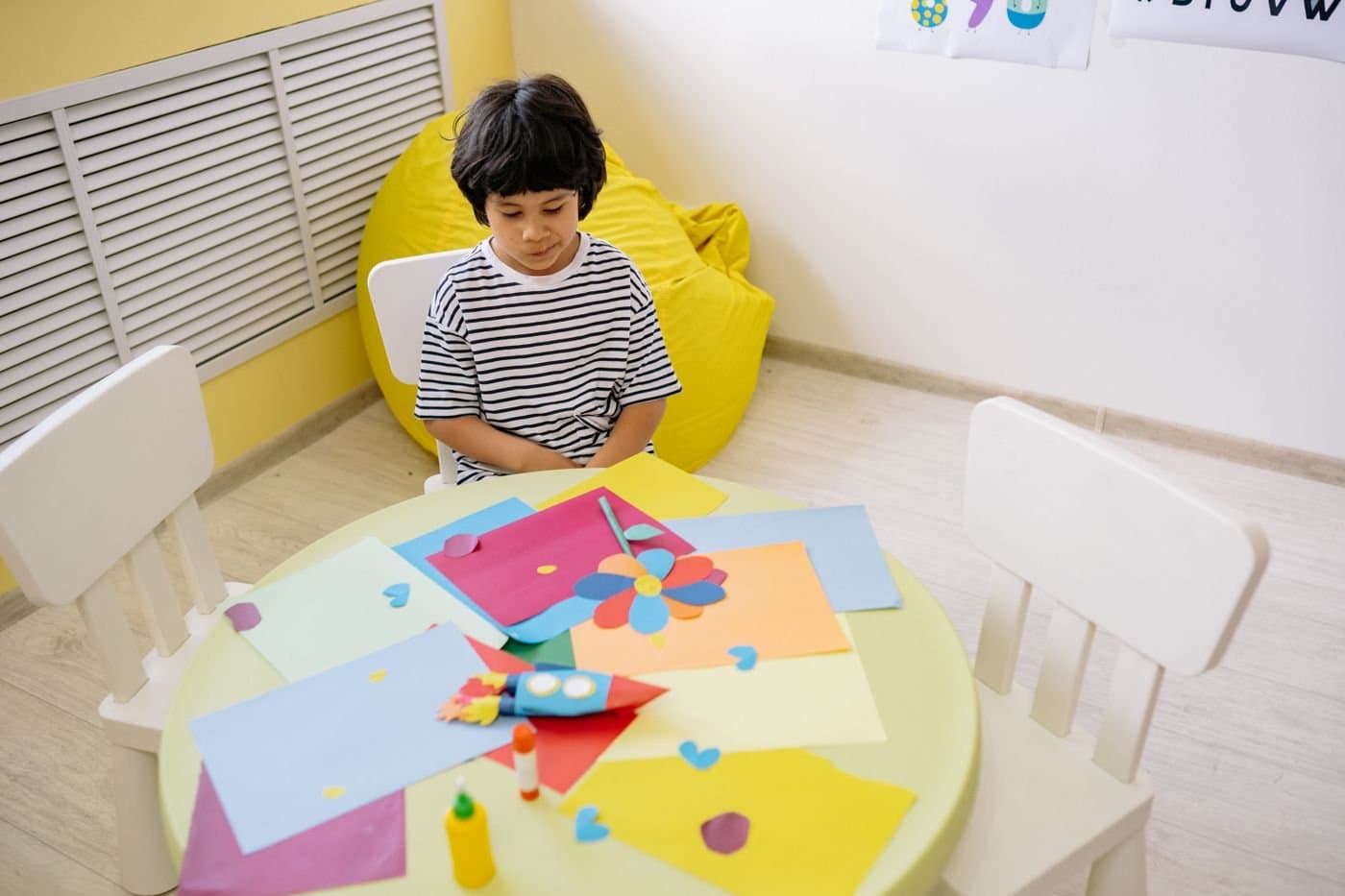
When Your Child Is the Only Asian Kid in Class
Being the only one is a common experience for Asian American kids. Here is how to support identity, belonging, and everyday confidence at school.
Mina Han · 7 min read