
Parenting in Thai American families
What may come up in family life
- Thai language and temple community exposure
- Songkran, Loy Krathong, and home rituals
- Buddhist values, merit, and kid-friendly practice
- Grandparents and respect with modern boundaries
- Restaurant family schedules and rest
- Mixed heritage within Thai American families
Language and food
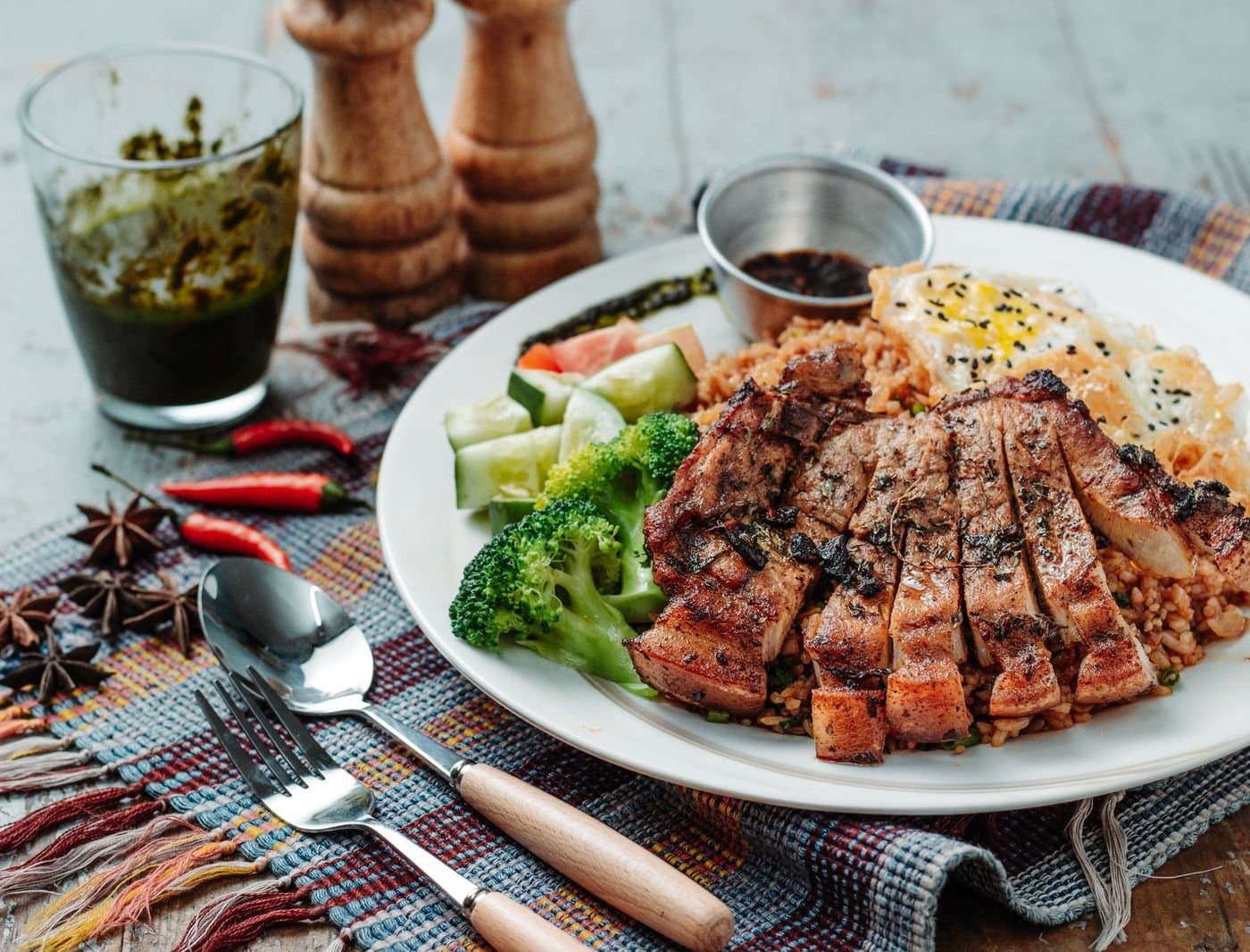
Thai language may be maintained through grandparents, temple events, and visits to Thailand. When parents work evenings, exposure may be uneven. Use songs, cartoons, and cooking vocabulary to keep tone and familiarity alive. Food is a primary cultural anchor: pad kra pao, tom yum, mango sticky rice, and regional dishes vary by family origin. Let kids help taste and assemble meals. Do not force spice levels beyond comfort while still offering authentic flavors in milder forms. Temple food fairs and Songkran events in your city offer peers when local Thai population is small. Sticky rice mornings and som tam prep teach texture and vocabulary for young children. Milder spice versions let kids participate without shame while still tasting authentic flavors from elders' recipes.
Grandparents and expectations
Thai grandparents often show love through food and practical care. They may expect wai greetings and deferential behavior that feel natural to some kids and stiff to others. Teach manners without shaming personality differences. Elders may live with you or visit long term. Clarify parenting decisions early to reduce conflict over sweets, screens, and discipline. When relatives remain in Thailand, video calls and remittances maintain connection. Help children understand gratitude without adult financial guilt. Respectful greeting customs can be taught as care, not performance. When elders criticize Western manners, explain context to kids without mocking elders. Remittances to Thailand are loving and heavy. Do not discuss amounts anxiously in front of children.
School and identity
Thai American students may feel invisible when Asian diversity is flattened in school conversations. Encourage pride in specificity when your child wants to share. Some families emphasize harmony and discourage complaining at school; balance that with teaching self-advocacy when bullying or unfair treatment occurs. Weekend temple school provides peers and language exposure, though teens may resist. Explore why before assuming laziness. Explain to teachers when late nights at family business affect homework. Buddhist holidays need excused absences planned early each year. Teachers may not know Songkran or Loy Krathong. Send a one-page note early each year with pronunciation help for your child name. Reading support is not shameful when kids code-switch heavily at home. Encourage voice in student government if harmony made them quiet.
Recommended guides
A few starting points from our library for this part of family life.
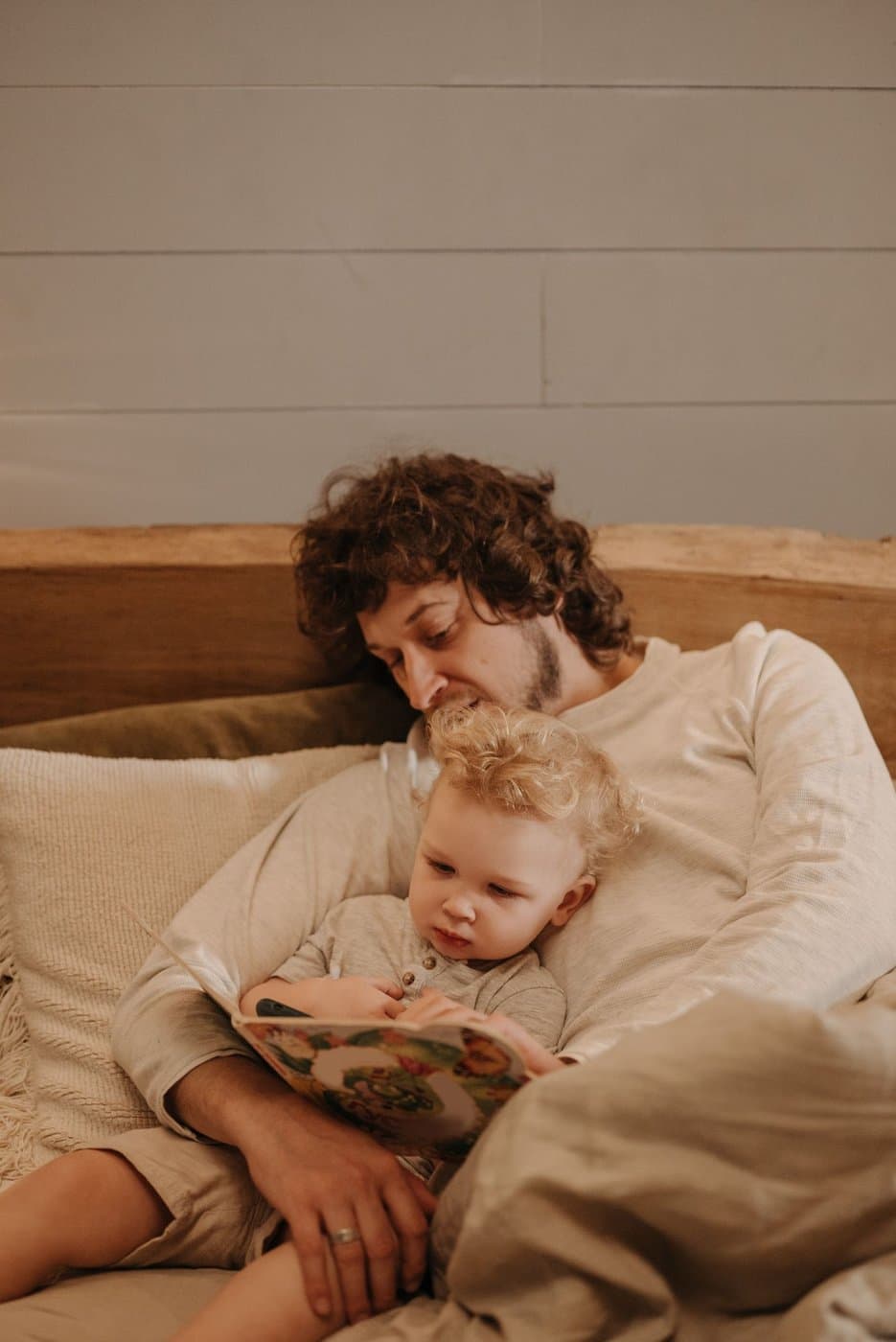
How to Keep Language Alive at Home
Practical ideas for bilingual and heritage-language families without guilt, perfectionism, or treating fluency like the only proof of love.
Leah Chen · 7 min read
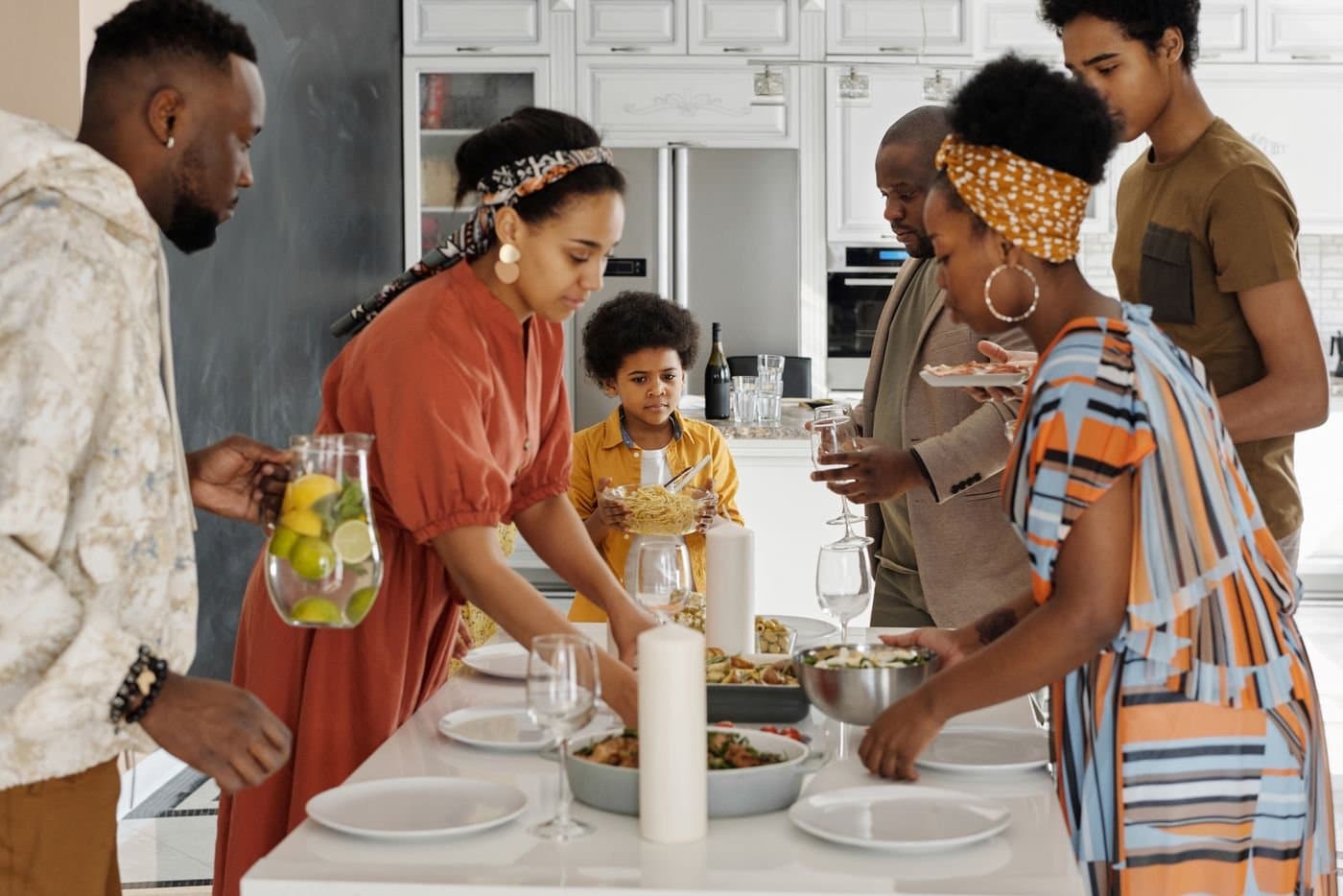
Easy Asian Family Dinners for Tired Nights
Heritage food does not have to mean two-hour recipes after a long day. Simple, warm dinners that keep culture in reach on tired nights.
Sofia Reyes Tan · 7 min read

How to Accept Help Without Handing Over Your Household
Grandparents want to help. You need the help. You also need your routines, rules, and voice at home. Here is how to take support without losing the wheel.
Mina Han · 7 min read

When Your Family Does Not Believe in Rest
In many Asian households, rest looks like laziness. Here is how to protect your body and your child's nervous system without feeling like you are betraying your family.
Yumi Sato · 7 min read
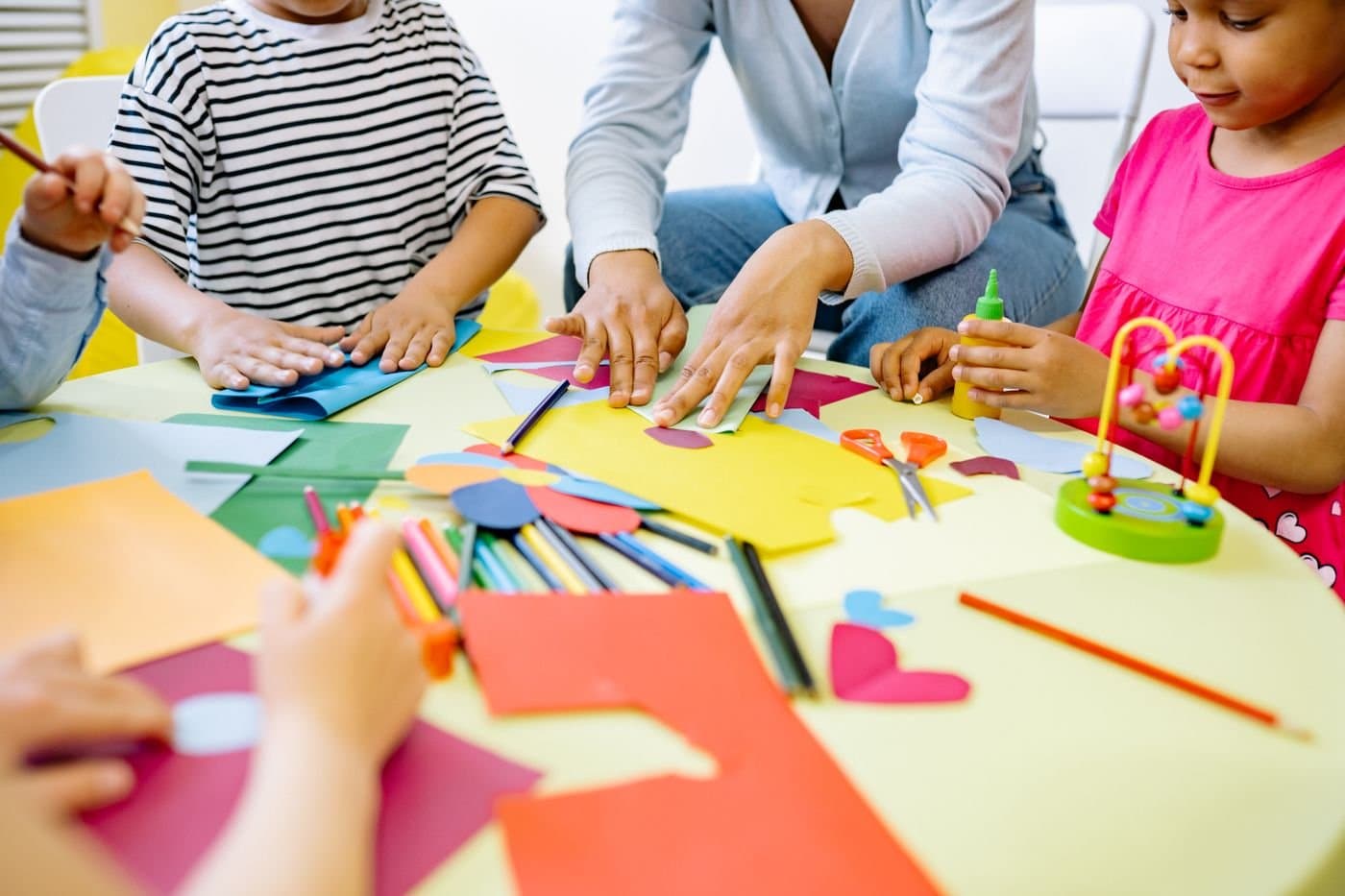
When Your Child Does Not Want to Go to Heritage School
Weekend language and culture classes matter to many families. So does a child's resistance. How to respond without shame or surrender.
Leah Chen · 7 min read

How to Set Boundaries With Grandparents
Scripts and frameworks for diaspora families setting visit limits, childcare rules, and pushback on advice—from drop-ins and weight comments to in-laws who help daily.
Mina Han · 9 min read
When Your Child Is the Only Asian Kid in Class
Being the only one is a common experience for Asian American kids. Here is how to support identity, belonging, and everyday confidence at school.
Mina Han · 7 min read