
Parenting in Vietnamese American families
What may come up in family life
- The given name, which is the one people actually call
- Bố and mẹ in one house, ba and má in another
- Tet week off in Vietnam, and a spelling test here
- Lucky money after the greeting, and fruit that may be an offering
- A report card the parent cannot read, and an interpreter the school can book
- Vietnamese nationality when one parent is a citizen and the baby was born here
Language and food
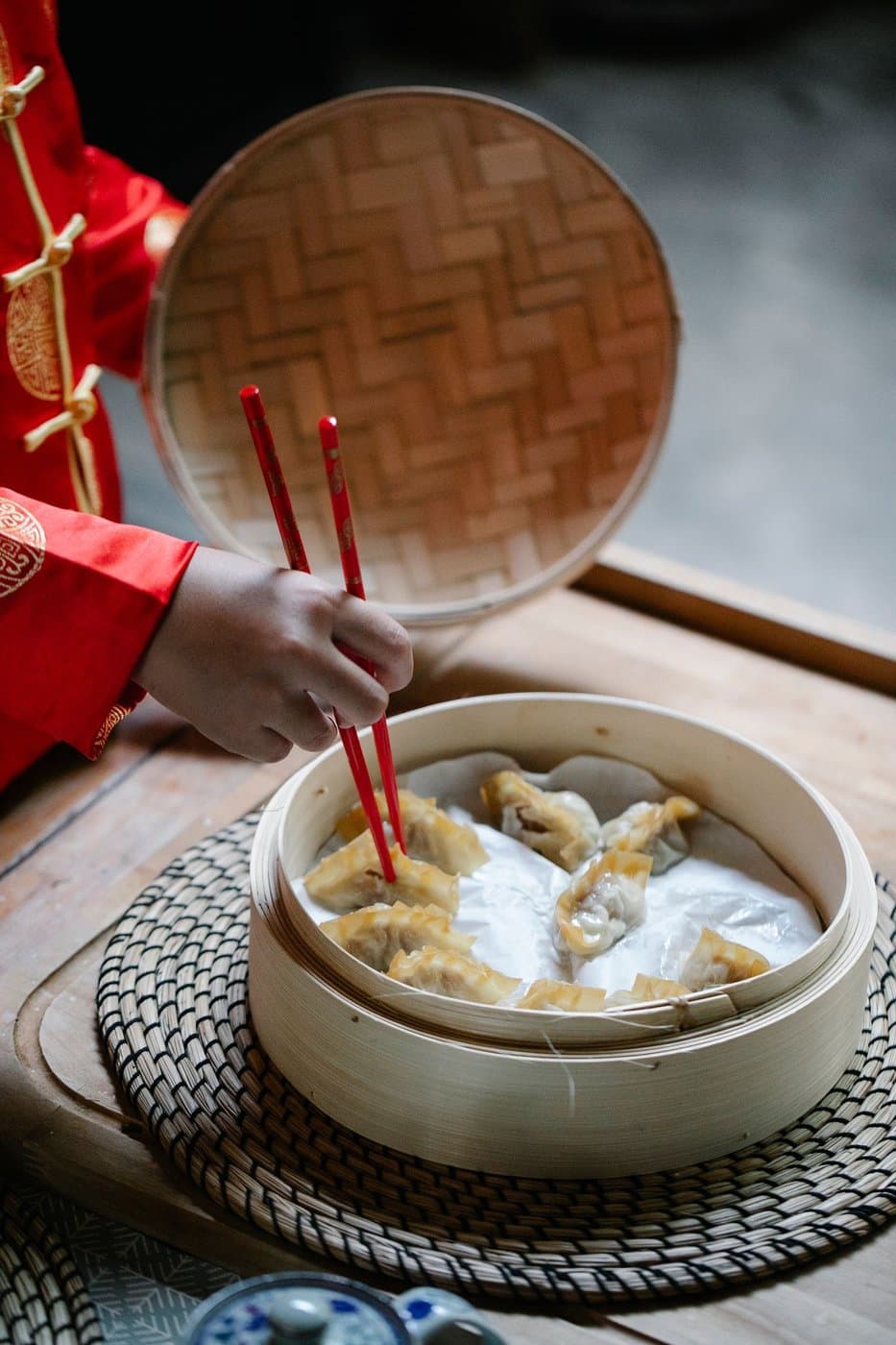
Vietnam's civil code gives a child a family name, the father's or the mother's, by the parents' agreement. A middle element, chữ đệm, may sit in between, something like Văn or Thị, or a name of its own. People call the given name, the last piece. They do not call the child by the middle piece alone. If a roster copies the passport from the left, it will say the family name at attendance. Tell the office which name your child turns around for. The word for mom is not one word. In a lot of northern houses it is mẹ, and dad is bố. In a lot of southern houses it is má and ba, and some families say tía or mạ. A worksheet that teaches mẹ will not match a grandmother who answers to má. Use the word your child will hear on the phone. The National Museum of Vietnamese History puts bánh chưng, the square sticky-rice cake, on a northern Tet table and bánh tét, the long one, on a southern table. The Vietnam Museum of Ethnology has visitors wrap the square cake. If your kitchen wraps the long one, teach that. A greeting that fits many houses is con chào bà. If your family says it another way, use theirs.
Grandparents and expectations
Phan Kế Bính, in the early-20th-century book Việt Nam phong tục, described children greeting grandparents after the ancestor offering and receiving a few coins, tiền mừng tuổi. The red envelope, lì xì, is the version kids know now. The amount will get compared. Pick a number the night before, and tell the child the envelope is a greeting. A 2022-23 Pew survey of Vietnamese-alone adults found about 37 percent Buddhist, about 36 percent Christian, and about 23 percent not part of a religion. Fruit on a shelf may be an offering. Sunday may be church. Some houses have neither. Tell your child which one you do before a cousin explains it in the group chat. If the family left after the war, a school unit may get to that story first. Tell your child the part that is yours, once, before a February project starts. A call across the date line is easier in the morning here, which is evening there. Keep it long enough for the greeting and the envelope on camera, and stop when the child is performing.
School and identity
Vietnam's education ministry set the 2026-27 opening ceremony for September 5, with some grades allowed back as early as August 22. The U.S. year starts in the same season. The mismatch is February, not September. Ask for the absence or the late arrival before Tet week, and say it is a family holiday, the way you would for any other. Pew found that 36 percent of Vietnamese Americans 25 and older have a bachelor's degree or higher, well under the 56 percent for Asian Americans overall. Among immigrant adults the share is 29 percent. Among U.S.-born adults it is 59 percent. Those numbers describe people who already finished school. They are a poor script for a third-grader, and a worse reason to hand that child the report card to translate. Ask the school for an interpreter. About a third of Vietnamese immigrants speak English well, in Pew's Census read, so a parent can follow a conversation and still miss the part that matters. Your child can sit in the meeting beside you. The interpreter can do the talking. Pew counts about 770,000 Vietnamese Americans in California and about 310,000 in Texas, out of about 2.2 million nationwide. San Jose and Houston are both large communities on that list. A child in either city can still be the only Vietnamese kid in the room. Send the name they answer to, and where the family is from, before the heritage poster.
Mixed and multiracial family notes
Pew's fact sheet says people who identify as Vietnamese alone, and no other race or Asian origin, are 81 percent of the Vietnamese population it describes. A child who is also something else may be the first in the family who has to explain that. Give them one sentence they can reuse. If both parents are Vietnamese citizens, Vietnam's nationality law says a child born here still has Vietnamese nationality. If only one parent is a Vietnamese citizen and the other is a foreign citizen, nationality is a written choice when the birth is registered with a Vietnamese office. A 2025 government decree also covers a child who already has a foreign birth record, if the parents agree and the other country's law allows them to keep it. Ask the consulate before you assume the U.S. passport is the whole file. When one parent did not grow up with the envelope or the offering, show them the order: greeting, then the red envelope, and whether the fruit on the shelf is for eating tonight.
Recommended guides
A few starting points from our library for this part of family life.
How to Keep Language Alive at Home
Practical ideas for bilingual and heritage-language families without guilt, perfectionism, or treating fluency like the only proof of love.
Leah Chen · 7 min read
Which Holidays Do We Celebrate?
Lunar New Year, Christmas, Diwali, Thanksgiving, Eid: mixed families often inherit more than one calendar. How to choose without guilt or exhaustion.
Leah Chen · 7 min read
How to Talk to Teachers When You Were Raised Not to Make Trouble
Many Asian American parents were taught to respect authority and stay quiet. Advocating for your child at school can feel uncomfortable and necessary at once.
Mina Han · 7 min read

Education Without Turning Childhood Into a Resume
How to honor your family's belief in education without letting every childhood year feel like preparation for a college application.
Grace Liu · 8 min read

The First Year With Baby When Family Is Far Away
Raising a baby an ocean away from grandparents, aunties, and the village you wish were next door.
Sofia Reyes Tan · 9 min read
How to Set Boundaries With Grandparents
Scripts and frameworks for diaspora families setting visit limits, childcare rules, and pushback on advice—from drop-ins and weight comments to in-laws who help daily.
Mina Han · 9 min read

A Gentle Guide to Mixed-Family Parenting
For families blending cultures, races, and traditions with room for imperfection, growth, and a lot less performance than Instagram suggests.
Leah Chen · 7 min read