
Parenting in New York / New Jersey
New York and New Jersey families often live closer to grandparents than West Coast relatives, but closer does not always mean easier. You might share a borough with aunties who comment on everything, or live an hour from parents who still expect weekly visits. Space is tight, childcare is expensive, and school choice can feel like a second job. Tri-state parenting mixes immigrant hustle, professional ambition, and the particular loneliness of raising kids in a city that never slows down. Your child may ride the subway to school, attend a competitive exam school, and still get asked where they are really from on the playground.
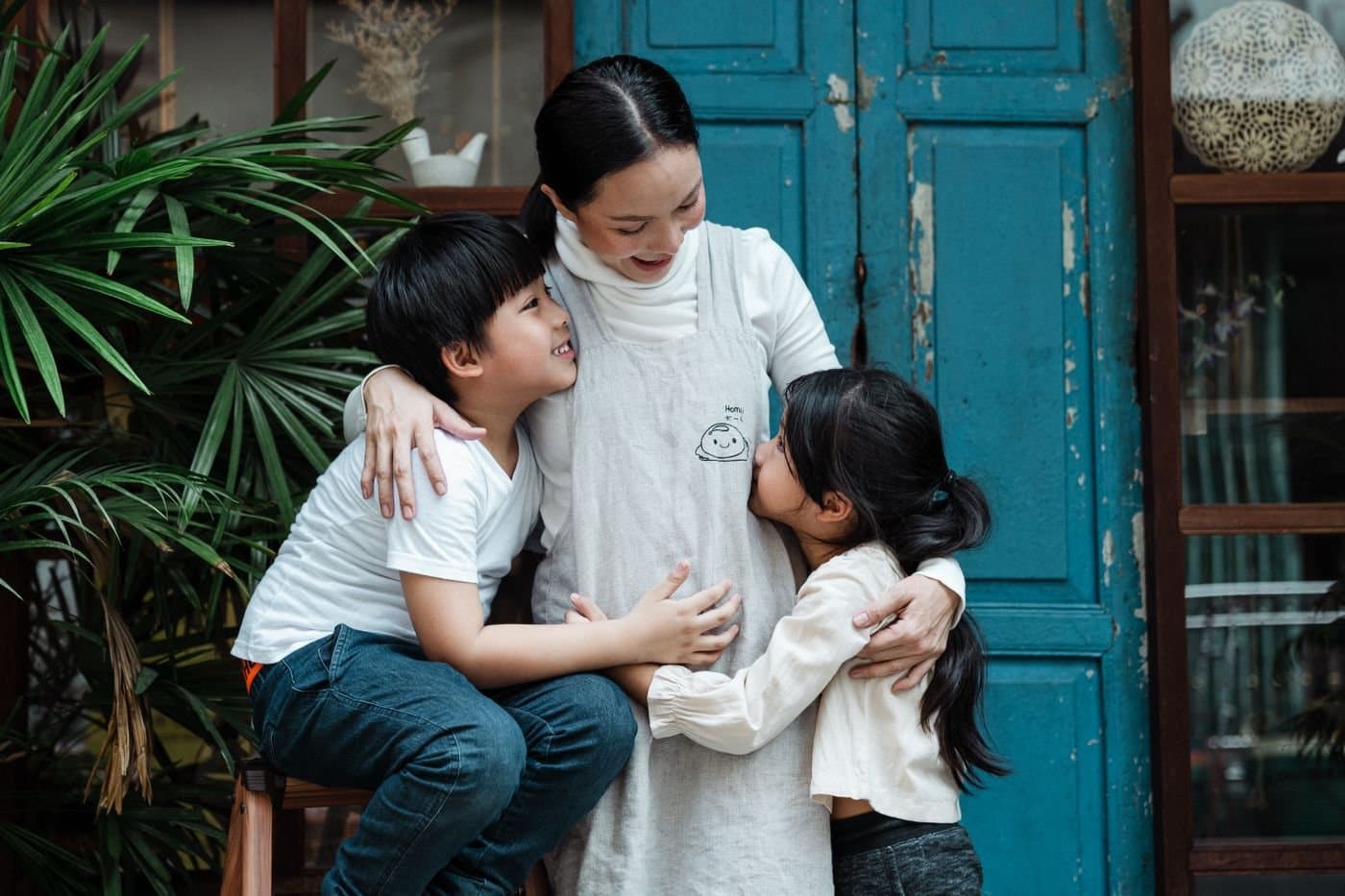
Daily life and family pressure
Apartment living changes family dynamics. Sleep training debates happen with neighbors one wall away. Grandparents who stay over may reshape the whole household rhythm. Suburban NJ families face different pressures: lawn culture, car logistics, and school districts that dominate dinner conversation. Many affluent diaspora households here hire nannies or send kids to grandparents in Flushing, Edison, or Fort Lee on weekends. Boundaries about food, screens, and discipline need clearer scripts when help is daily, not occasional.
Schools and kids
Specialized high schools, private prep culture, and charter networks all shape parent anxiety. Hunter, Stuyvesant, and similar names carry family pride and fear in many Asian households. Kindergarten waitlists and G&T testing start early. Weekend heritage schools in Queens and Bergen County are social hubs as much as classrooms. Kids who excel academically may still struggle with identity in predominantly white friend groups or feel boxed in by model-minority assumptions. Make room for both ambition and ordinary childhood.
Community, food, and belonging
Chinatowns, Koreatown, Jackson Heights, Palisades Park, Edison's Indian corridors: food and faith communities are rarely one neighborhood fits all. You might celebrate Lunar New Year at a community center and Eid or Diwali with cousins across the river. Access is a strength here. Overstimulation is the shadow side. Choose the gatherings that restore your family, not only the ones you feel you owe.
Topics we watch in this region
- Schools, enrichment, and heritage language programs
- Community hubs, cultural events, and places of worship
- Food scenes and grocery access for home cooking
- Housing costs, childcare, and family budgeting pressures
- Identity, representation, and belonging for kids
- Intergenerational family life and elder support networks
Guides for families in New York / New Jersey
Evergreen reads that travel well, even when local details differ block by block.
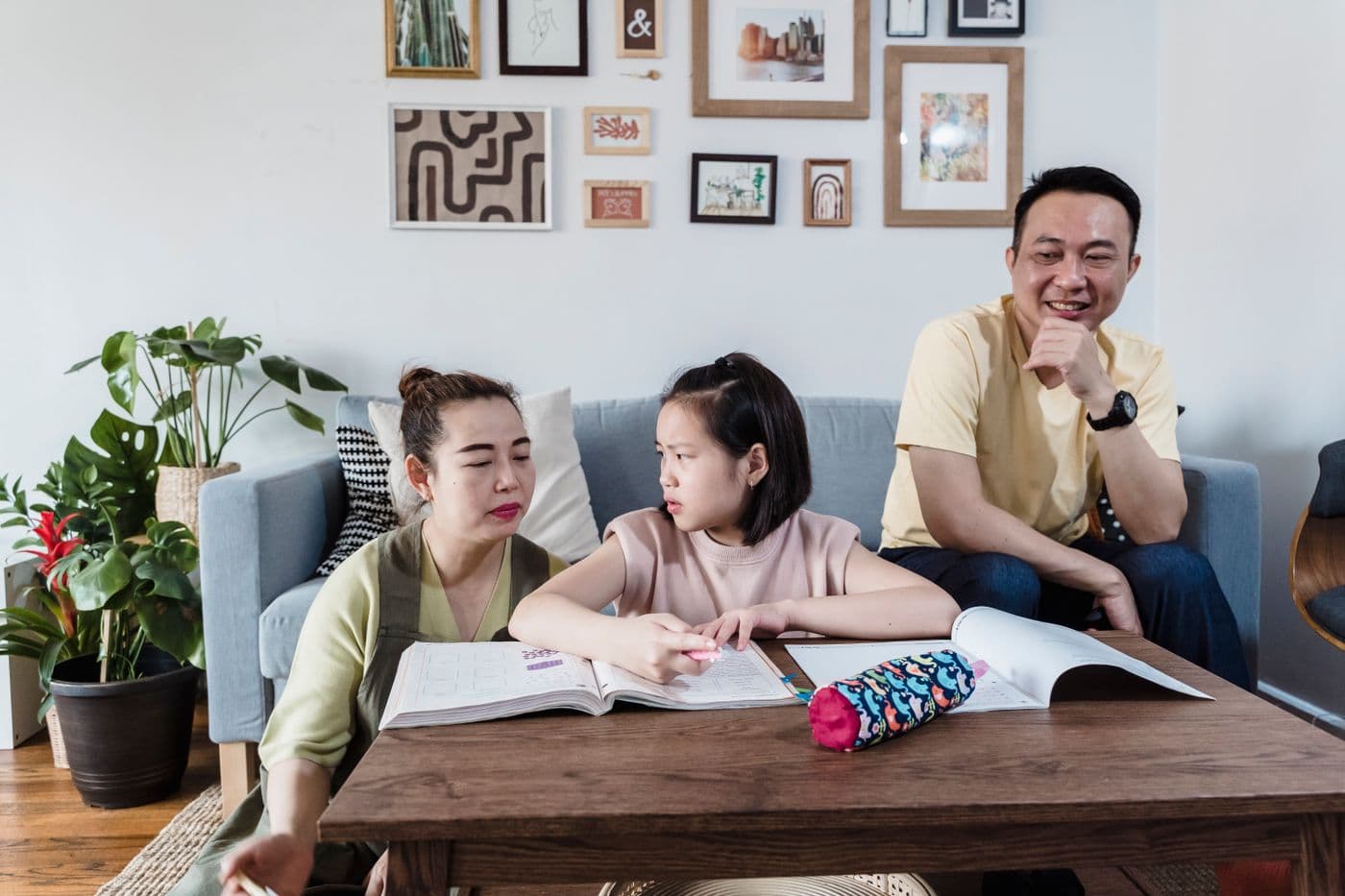
School Choice: Balancing Academics and Belonging
How diaspora families weigh test scores, school reputation, and whether a child will actually feel safe and seen, from kindergarten lotteries through high school pressure corridors.
Grace Liu · 12 min read
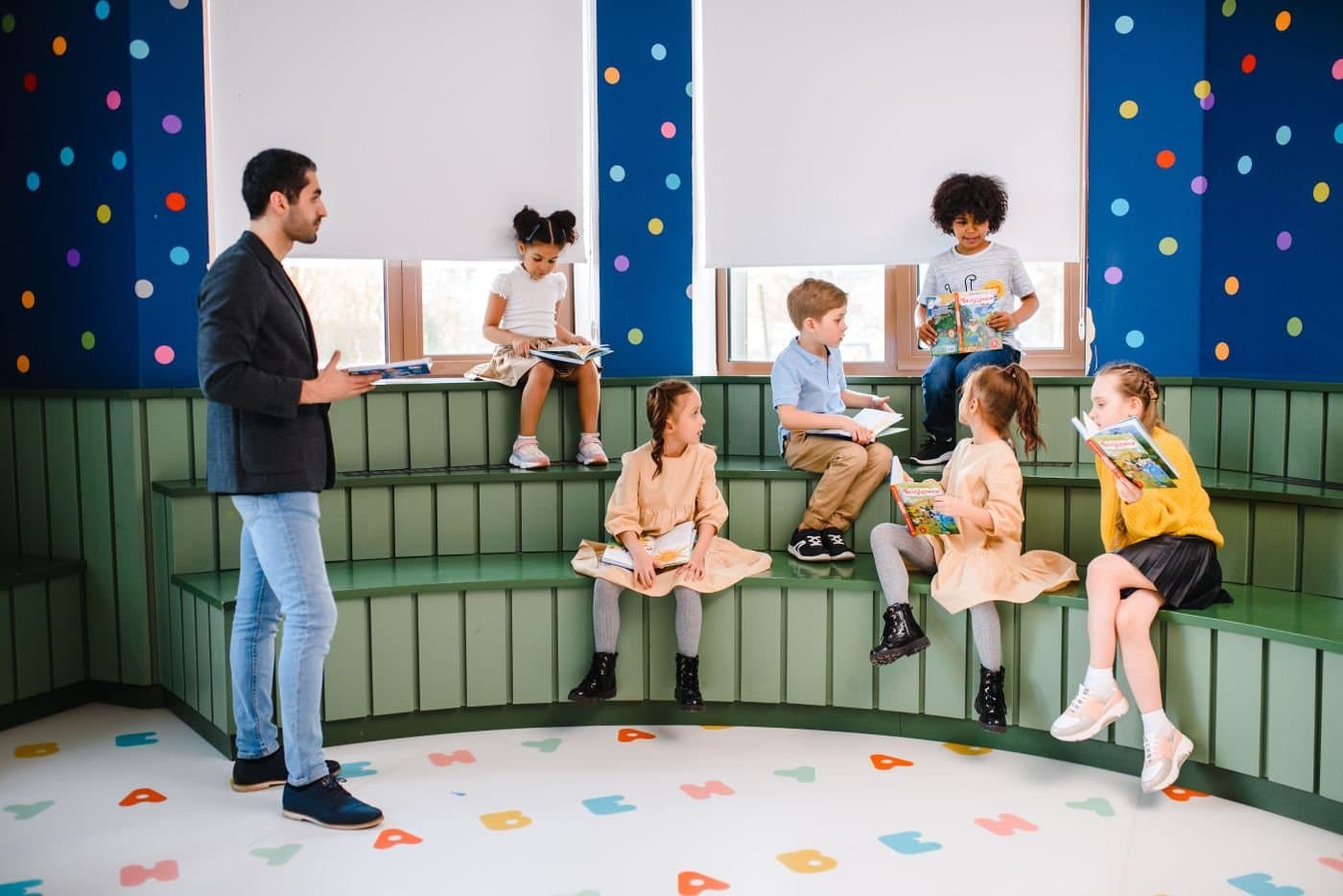
Education Without Turning Childhood Into a Resume
How to honor your family's belief in education without letting every childhood year feel like preparation for a college application.
Grace Liu · 8 min read

How to Pack Lunches That Feel Like Home
School lunch can be a bright spot in your child's day. Practical ideas for packing food that comforts, nourishes, and reflects your family.
Sofia Reyes Tan · 7 min read
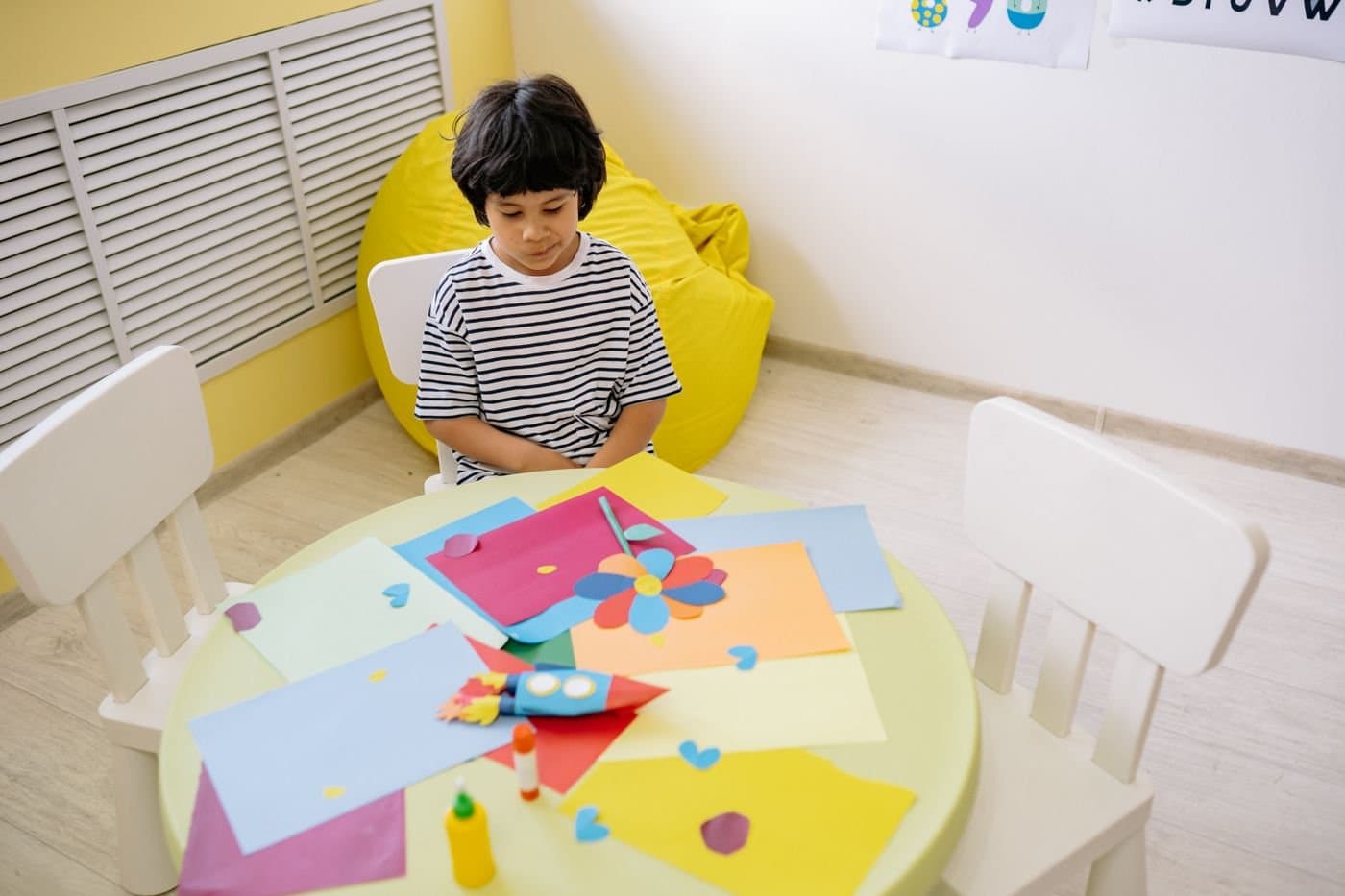
When Your Child Is the Only Asian Kid in Class
Being the only one is a common experience for Asian American kids. Here is how to support identity, belonging, and everyday confidence at school.
Mina Han · 7 min read
How to Say No to In-Laws Without Starting a War
Declining an in-law's offer or opinion can feel dangerous. Clear scripts and strategies for peace where possible, distance where necessary.
Anjali Mehta · 7 min read

Filial Piety and Boundaries in a Modern Family
Honoring parents and protecting your own household can feel like opposite commands. Here is how some families hold both without living in permanent guilt.
Mina Han · 7 min read

Estate Planning When Your Parents Live Abroad
Cross-border families need more than a will template. Here is how diaspora adult children start conversations about care, assets, and paperwork across countries.
Priya Raman · 5 min read