
Parenting in Texas
Texas diaspora parenting is no longer a footnote to California and New York. Houston's Asian population has grown into one of the country's largest and most diverse regional communities (Indian, Chinese, Vietnamese, Filipino, Korean, Pakistani, and more). Dallas-Fort Worth spreads Korean, Chinese, Indian, and Southeast Asian family life across Plano, Carrollton, Frisco, and nearby suburbs. Austin adds university and tech energy plus civic hubs like the Asian American Resource Center. Space is often easier than on the coasts. Summer heat, sprawling car logistics, and school-district shopping still shape every week. Relatives who visit from abroad may underestimate how much driving a "simple" Saturday of language school, grocery, and temple can require.
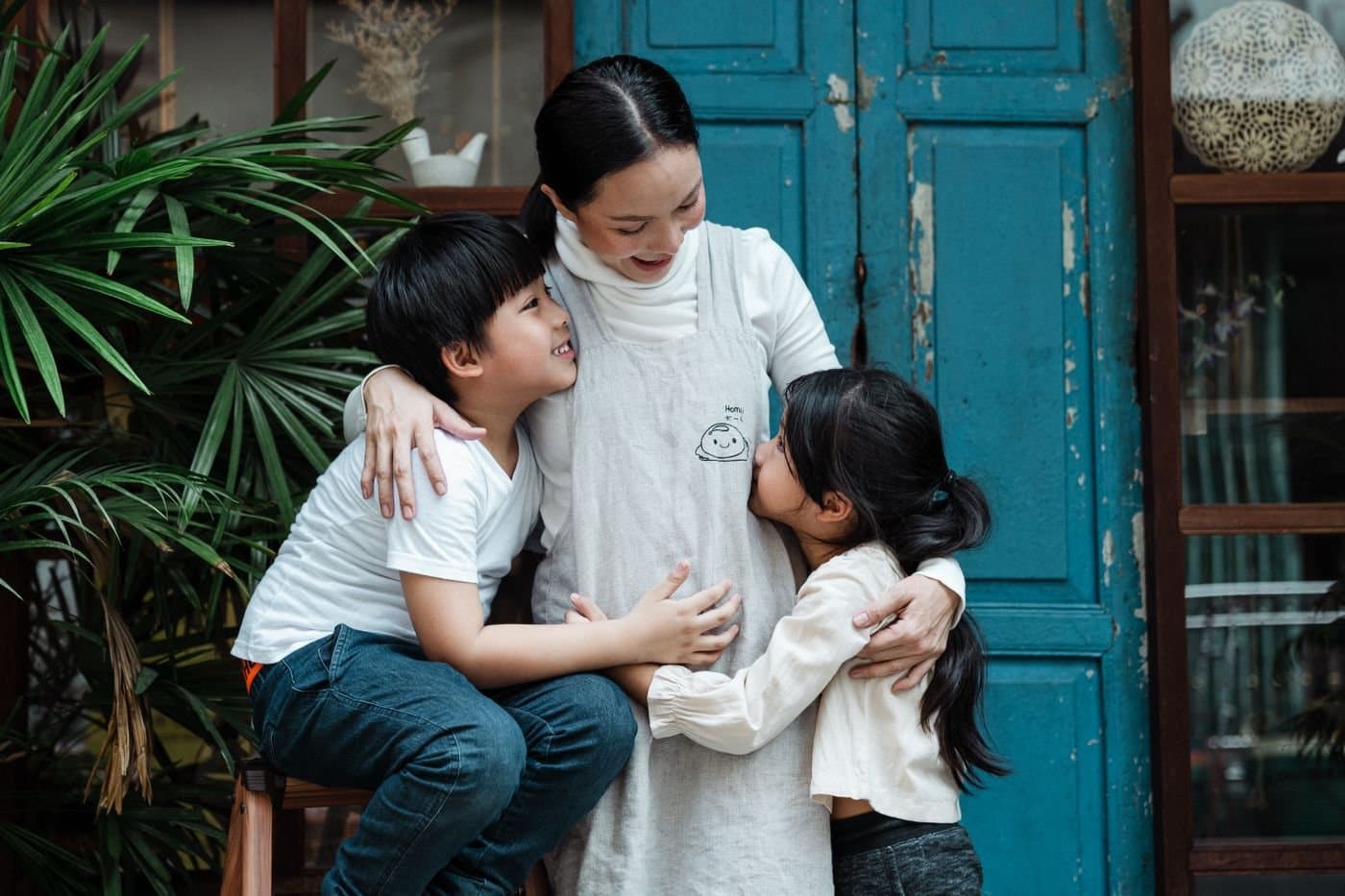
Daily life and family pressure
Fort Bend and parts of Harris County pull many Houston Asian families toward Sugar Land and nearby suburbs for schools and newer housing. DFW families do a similar dance around Plano, Frisco, and Richardson. Multigenerational living happens, but so do large new builds where grandparents stay for months at a time and rewrite the kitchen. Childcare and dual-career logistics collide with Texas school calendars and long summers. Church, temple, and community-center networks often replace the walkable density coastal parents assume. Clear boundaries matter when help is abundant and opinions travel at the speed of a group chat.
Schools and kids
District reputation drives moves in Fort Bend, Katy, Plano, and Frisco the way it does in Cupertino or Bellevue. Weekend Mandarin, Korean, and other heritage schools stitch DFW together; Houston families lean on community centers and church-based classes. Austin families mix public options with AARC youth programs and university-adjacent enrichment. Kids in majority-Asian suburban schools may feel intense STEM comparison. Kids in less diverse districts may get the "where are you really from" questions earlier. Texas also has active conversations about Asian American studies and curriculum visibility; representation is not automatic even when the cafeteria is full of boba.
Community, food, and belonging
Bellaire and adjacent Houston corridors, DFW Koreatown and Chinese shopping centers, and Austin's Asian markets make groceries easier than many outsiders expect. Lunar New Year lion dances, Diwali events, and temple festivals fill civic calendars in suburbs that still get described as "not diverse" by people who never left the highway. Food remains the weekly identity plan. A reliable pho run, Korean barbecue Friday, or dosa morning after language school can hold heritage when formal lessons slip. Build the village that fits Texas distances, not California nostalgia.
Topics we watch in this region
- Schools, enrichment, and heritage language programs
- Community hubs, cultural events, and places of worship
- Food scenes and grocery access for home cooking
- Housing costs, childcare, and family budgeting pressures
- Identity, representation, and belonging for kids
- Intergenerational family life and elder support networks
Guides for families in Texas
Evergreen reads that travel well, even when local details differ block by block.
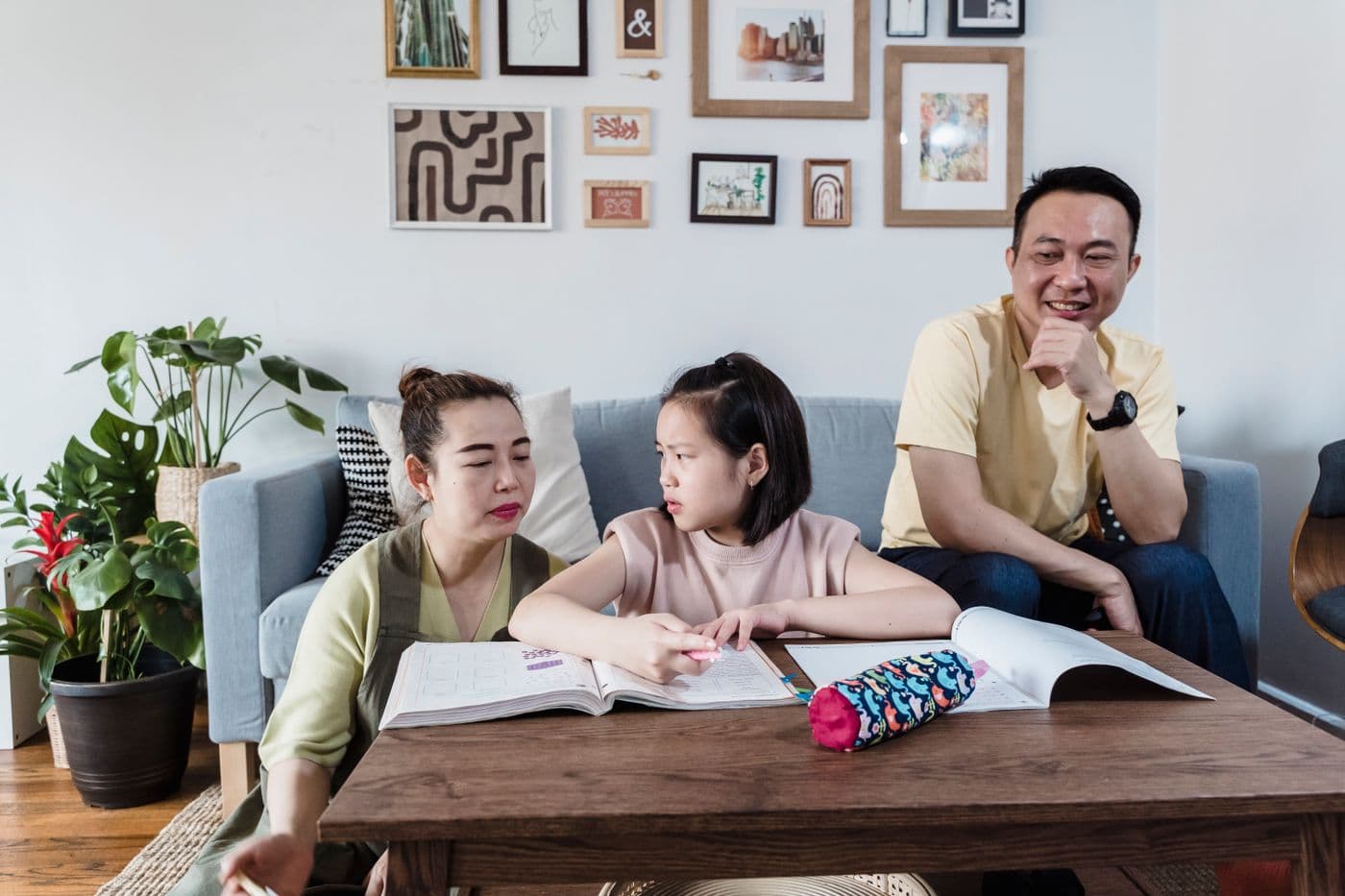
School Choice: Balancing Academics and Belonging
How diaspora families weigh test scores, school reputation, and whether a child will actually feel safe and seen, from kindergarten lotteries through high school pressure corridors.
Grace Liu · 12 min read
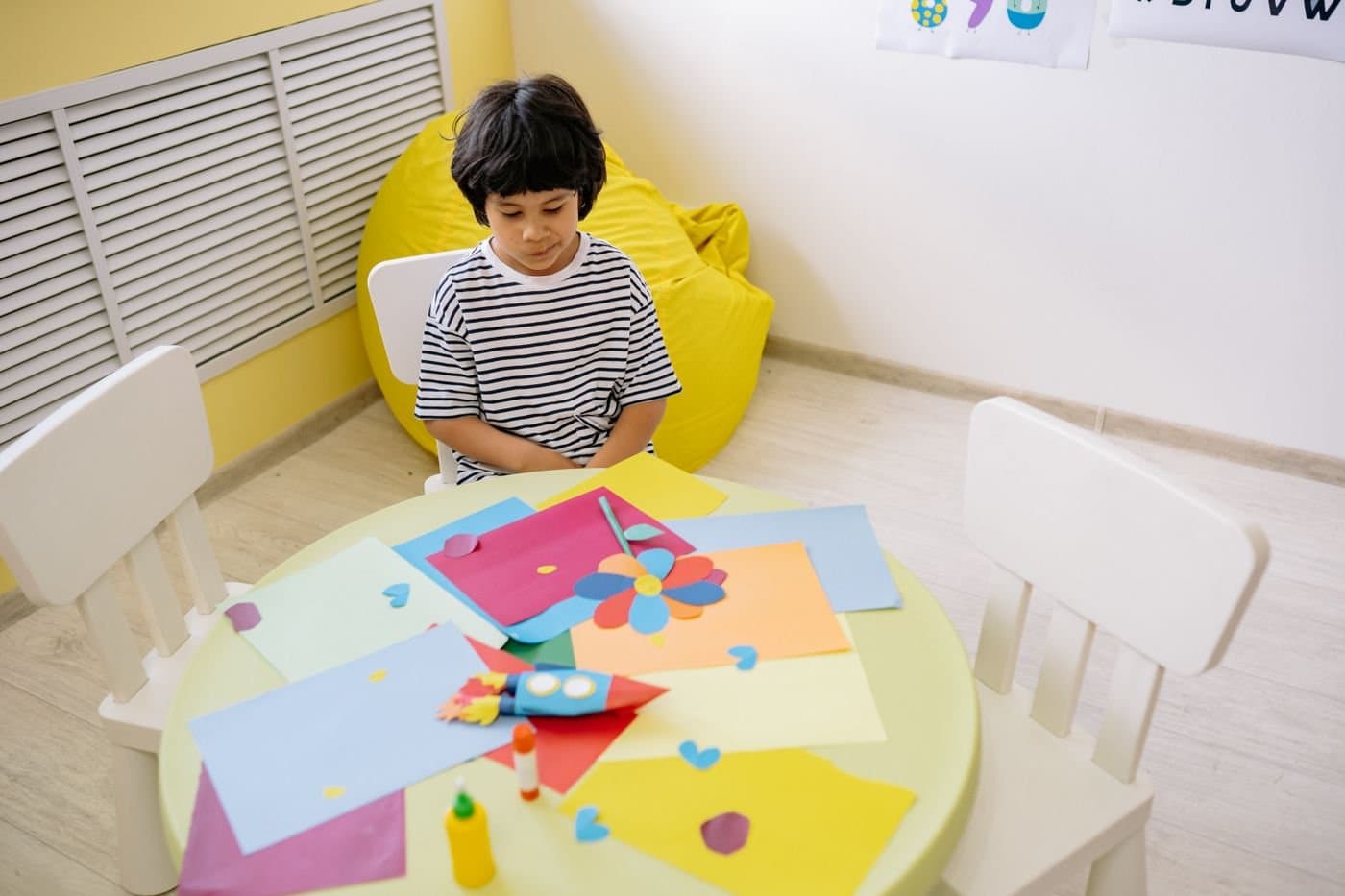
When Your Child Is the Only Asian Kid in Class
Being the only one is a common experience for Asian American kids. Here is how to support identity, belonging, and everyday confidence at school.
Mina Han · 7 min read

When Tutoring and Enrichment Start to Feel Like an Anxiety Spiral
Extra help can be useful. It can also multiply when fear is driving the schedule. How to tell the difference and step off the spiral.
Grace Liu · 6 min read
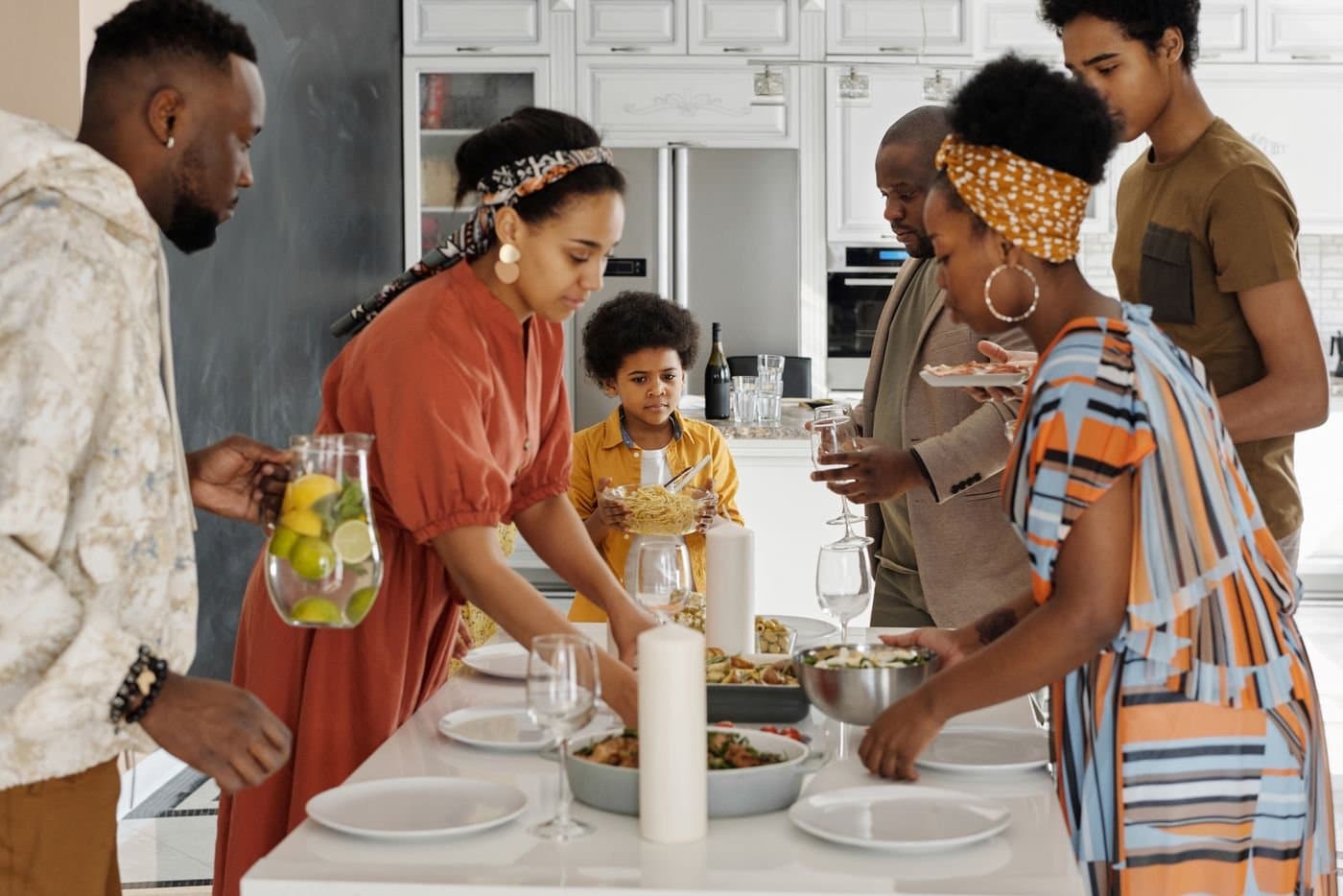
Easy Asian Family Dinners for Tired Nights
Heritage food does not have to mean two-hour recipes after a long day. Simple, warm dinners that keep culture in reach on tired nights.
Sofia Reyes Tan · 7 min read
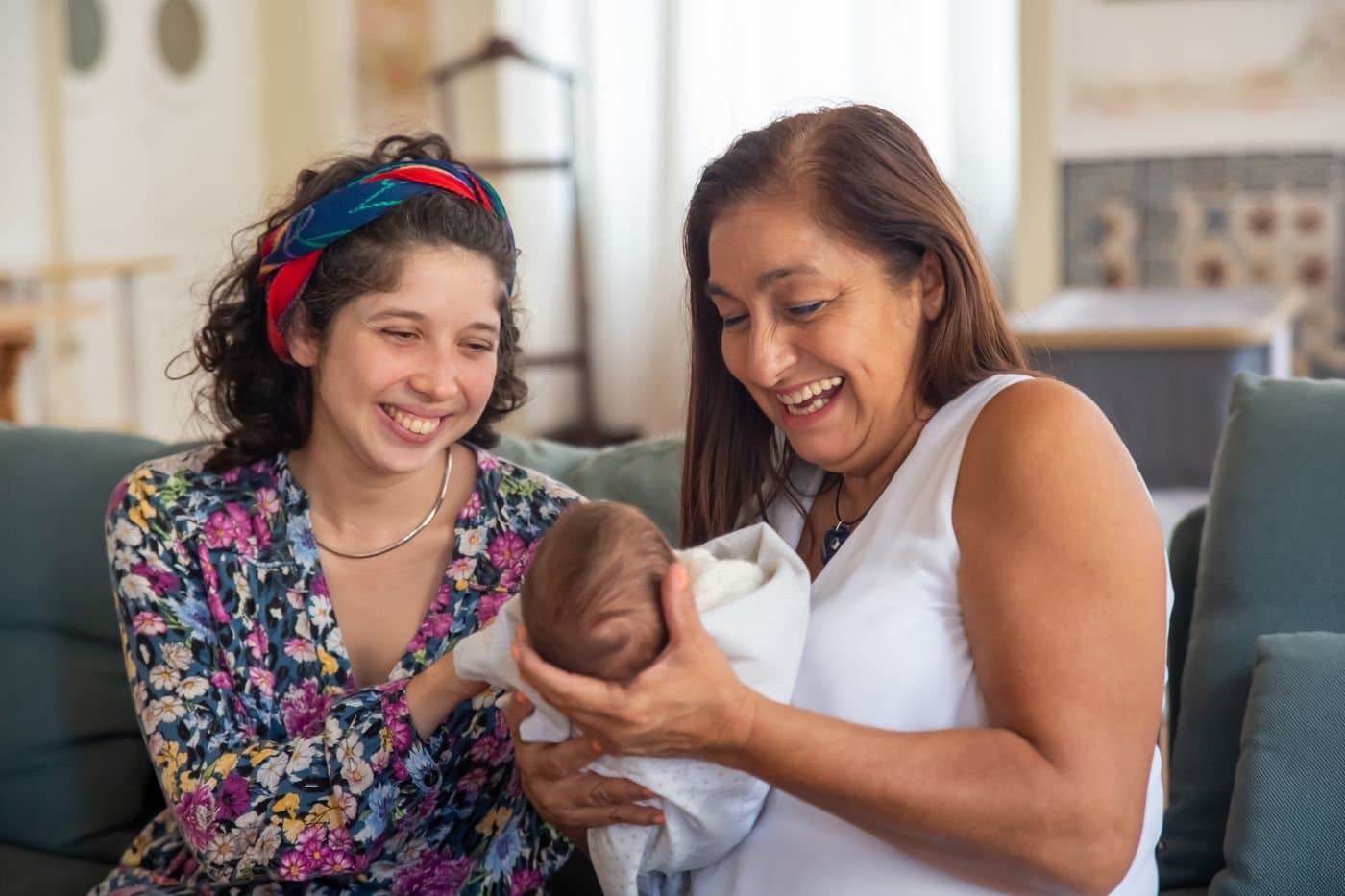
How to Set Boundaries With Grandparents
Scripts and frameworks for diaspora families setting visit limits, childcare rules, and pushback on advice—from drop-ins and weight comments to in-laws who help daily.
Mina Han · 9 min read
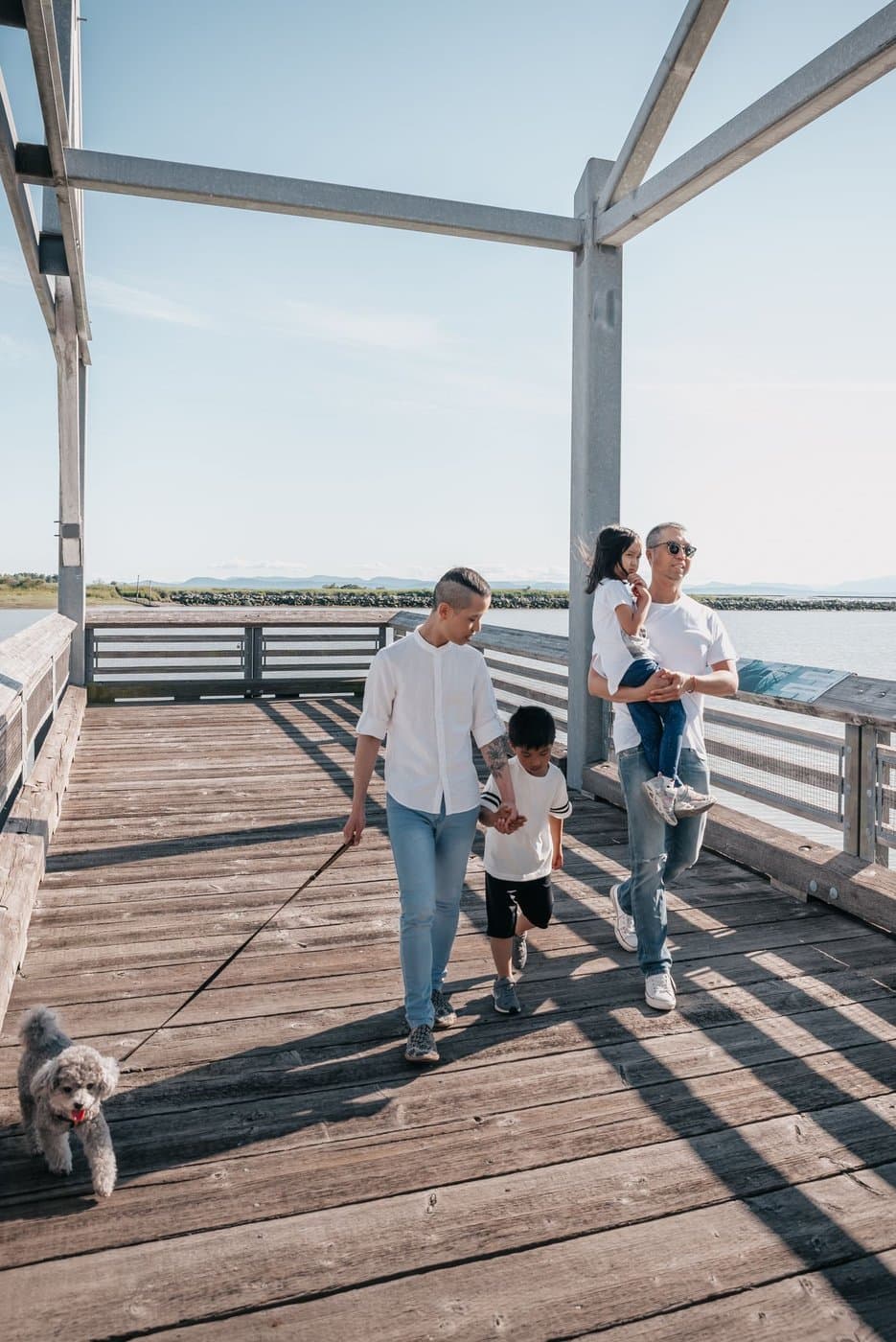
Raising Kids With More Than One Culture
Helping children feel whole across cultures, skin tones, languages, and family backgrounds without treating identity like a checklist to finish by age ten.
Leah Chen · 7 min read