
Fatherhood series
Dad Field Notes
Most parenting media still assumes Mom is the default reader. Dad Field Notes is for fathers who want to be useful during postpartum, emotionally present without becoming someone else, and clear with their own parents when culture pulls them into the middle.
You do not have to become a "girl dad" influencer to matter. You have to show up with hands-on tasks, protect your partner's boundaries with your family, and notice when shame keeps you silent about your own stress.
Related: The Third Person in the Room · Relationships hub · postpartum mental health stigma
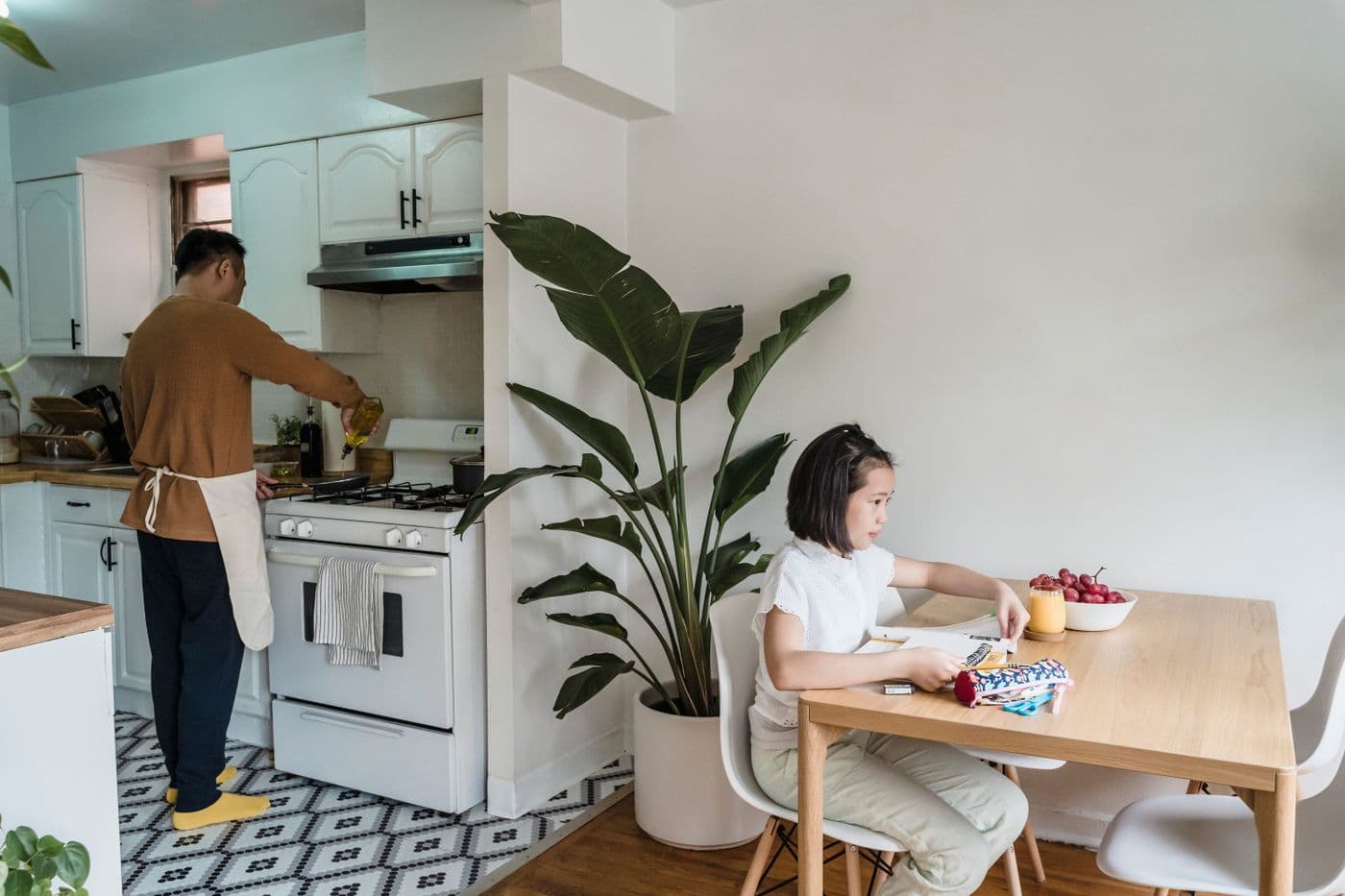
Why dads need their own shelf
Asian and multicultural fathers often hear that providing is enough, or that mental health talk is weak. Meanwhile they are expected to translate between their parents and their partner, sometimes in the same dinner. These guides treat that mediation as work, not a side note in a maternal postpartum article.
Postpartum usefulness, not performance
The first weeks are logistics and emotional weather. Guides here cover night feeds, pediatrician prep, and how to respond when relatives critique your partner's body or milk supply. Being present beats posting about being present.
If your partner is struggling and your family dismisses postpartum depression as weakness, read postpartum mental health stigma together and decide who speaks to whom before the next visit.
Leading your side of the family
Your partner should not have to be the bad guy to your parents. Guides on how fathers handle their own parents after a baby pair with The Third Person in the Room when the pressure is coming from your side of the tree.
When elders offer to move in, you lead the conversation about hours, house rules, and exit plans. That is not disrespect; it is how adults co-parent.
Field checklist
- Do I know our pediatrician's after-hours line and insurance quirks?
- Can I name three concrete tasks I own this week without being asked?
- Will I back my partner when my mom critiques her, even if I stay polite?
- Do I have someone to talk to besides my partner when I am drowning?
Start here
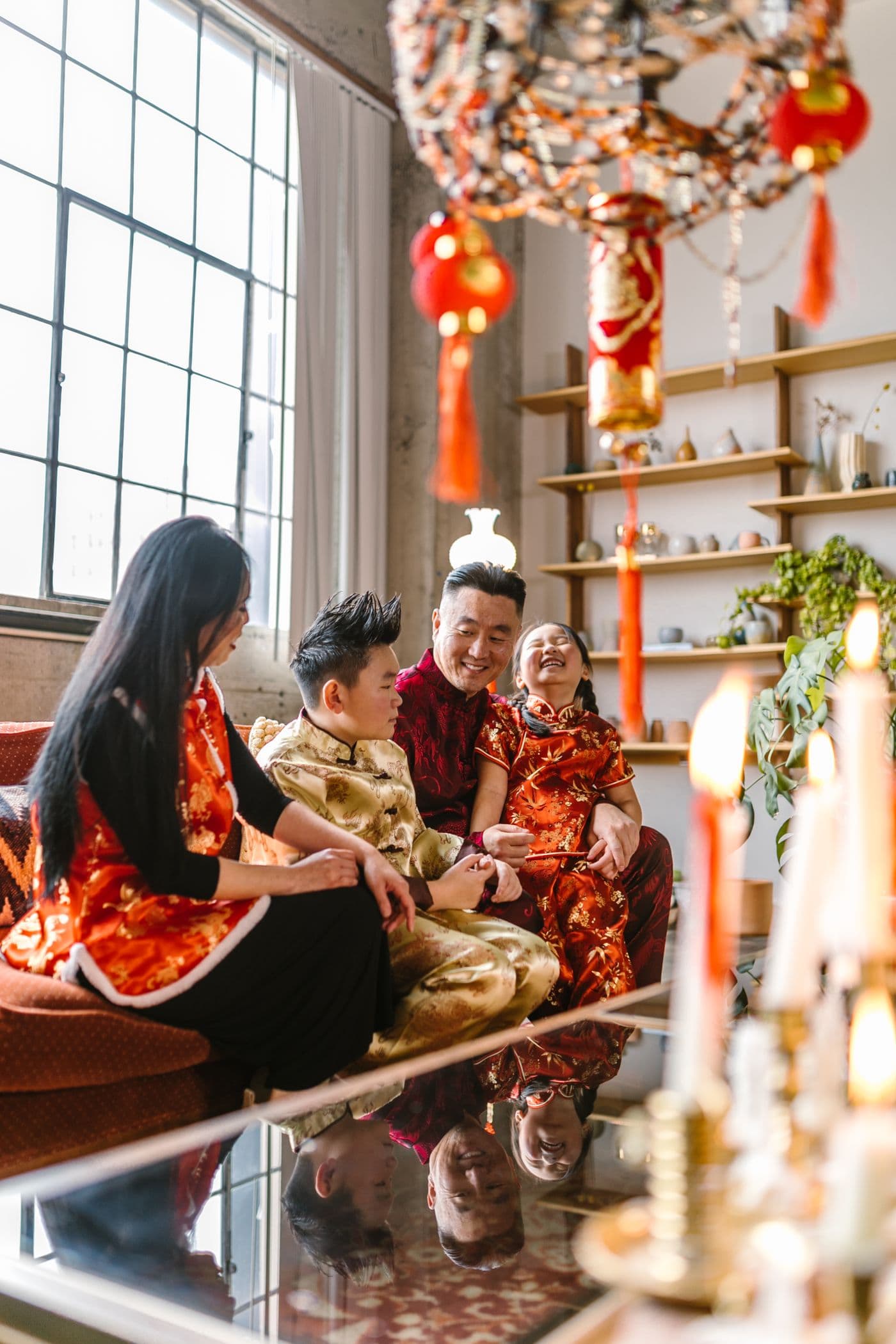
Fun and useful (not either/or)
Play and logistics are not rival personalities. How fathers can be the parent kids light up for and the one who owns bedtime, meals, school bags, and recovery nights, with rituals that do both at once.
Daniel Park
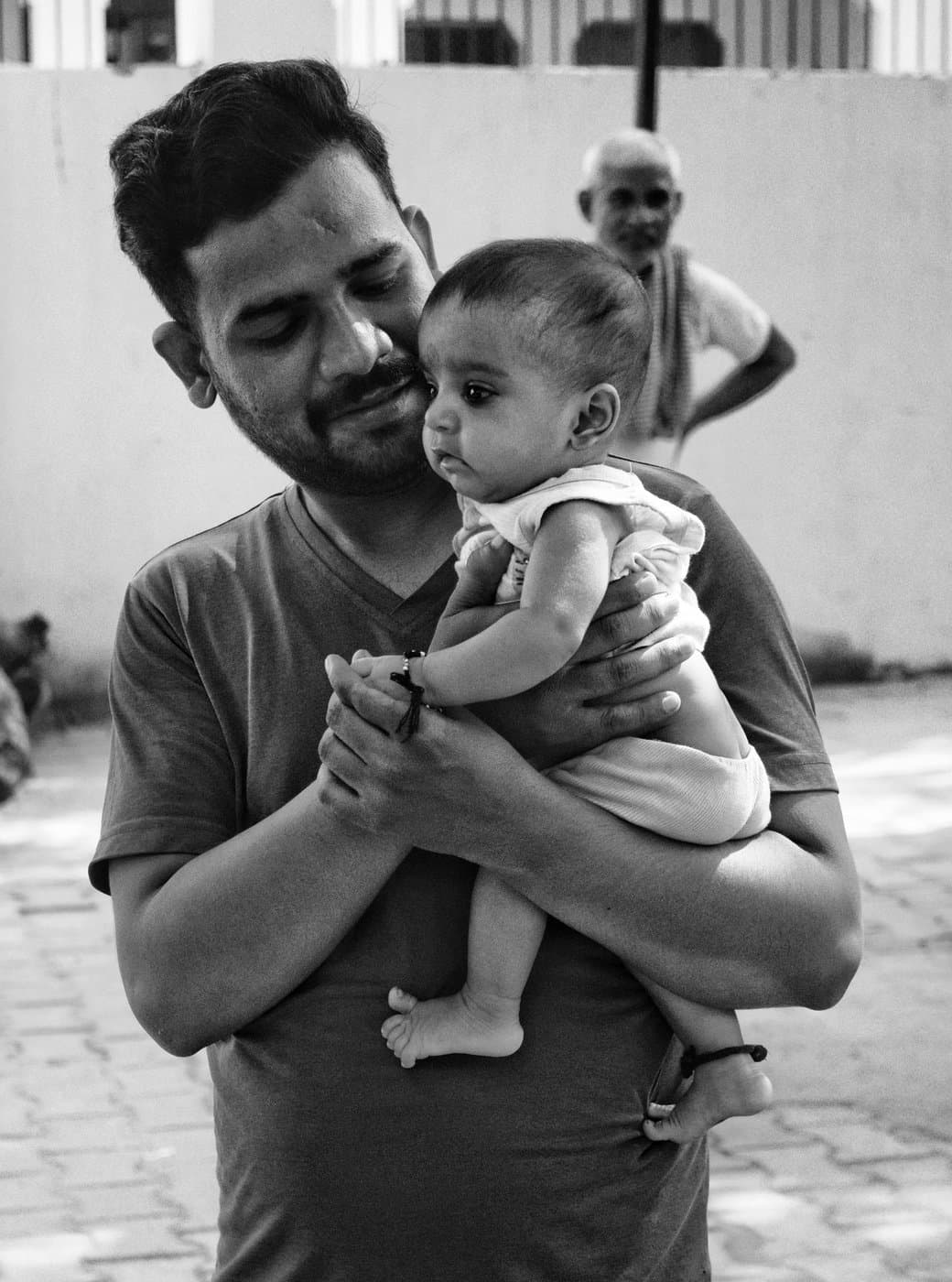
Useful during postpartum (not just 'helpful')
Postpartum is not a vacation for one parent and a project for the other. Concrete ways fathers can be genuinely useful when the house is running on fumes, from night shifts and visitor gatekeeping to inventory, appointments, and emotional support without scorekeeping or performative heroics.
Daniel Park
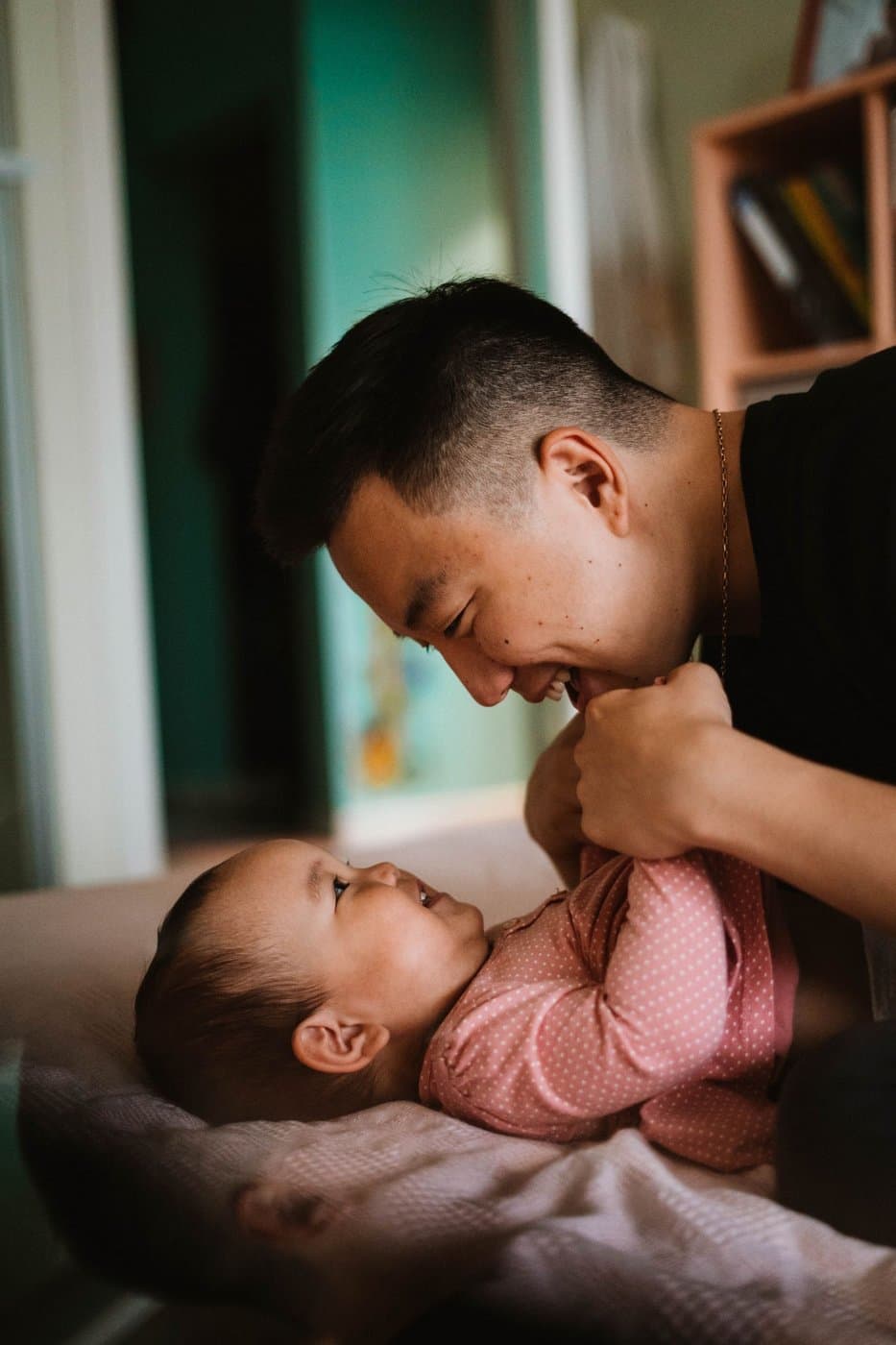
Learning emotional presence
Many fathers were raised to provide and stay steady, not to talk about feelings. Emotional presence is a skill you can learn without becoming someone else, using small rituals, repair, and curiosity instead of dramatic speeches.
Daniel Park
All Dad Field Notes
How to Be the Fun Dad and the Useful Dad (Not Either/Or)
Play and logistics are not rival personalities. How fathers can be the parent kids light up for and the one who owns bedtime, meals, school bags, and recovery nights, with rituals that do both at once.
Daniel Park
A Dad's Guide to Being Useful During Postpartum
Postpartum is not a vacation for one parent and a project for the other. Concrete ways fathers can be genuinely useful when the house is running on fumes, from night shifts and visitor gatekeeping to inventory, appointments, and emotional support without scorekeeping or performative heroics.
Daniel Park
The Asian Dad Learning to Be Emotionally Present
Many fathers were raised to provide and stay steady, not to talk about feelings. Emotional presence is a skill you can learn without becoming someone else, using small rituals, repair, and curiosity instead of dramatic speeches.
Daniel Park

How Fathers Handle Their Own Parents After a Baby Arrives
A new baby rearranges every relationship, including the one between you and your parents. How dads can set boundaries, show gratitude, and stay aligned with their partner when cultural expectations pull hard in every direction.
Daniel Park
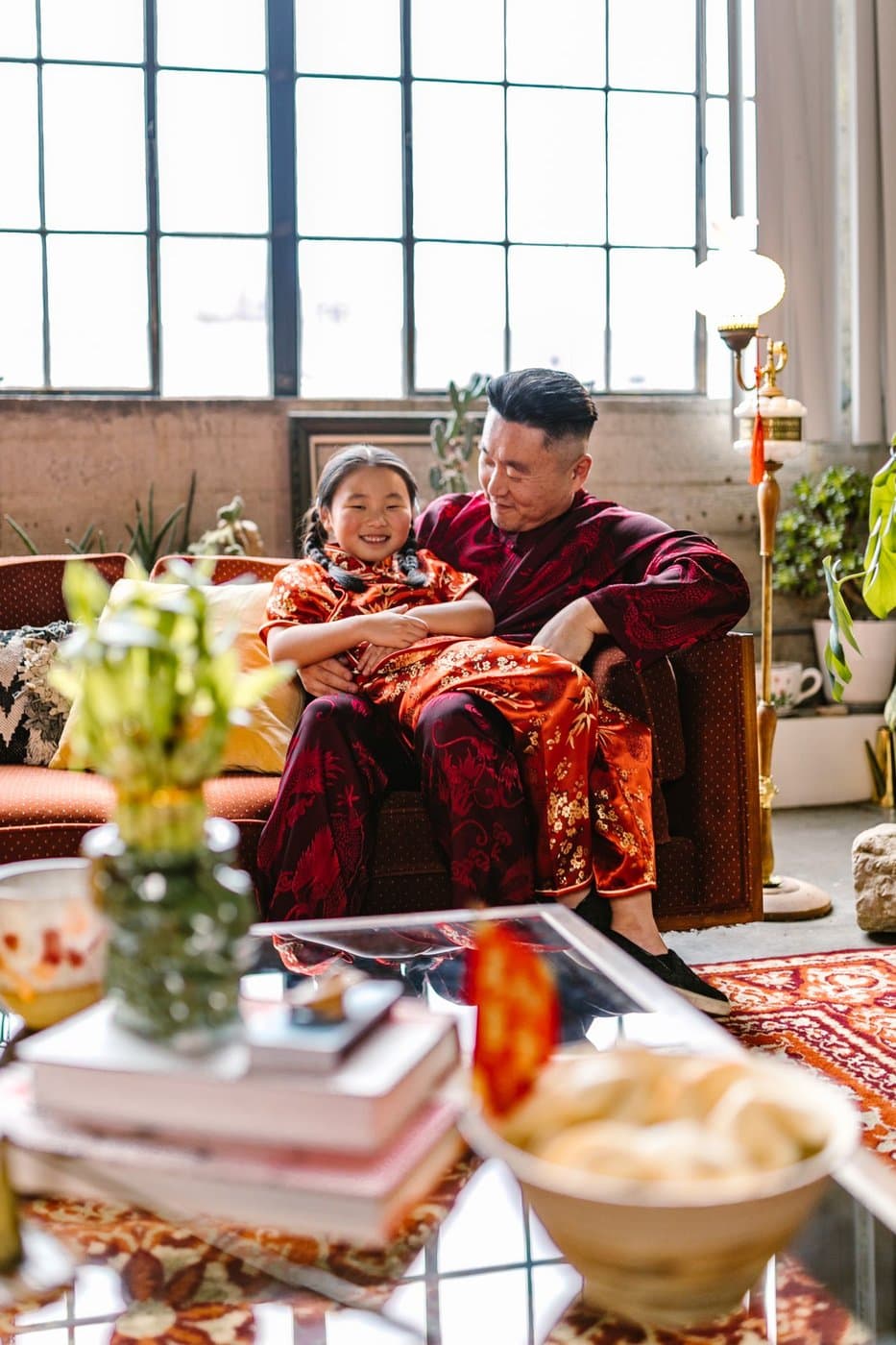
Modern Fatherhood and the Silent Dad
Many men become fathers while still carrying the silent dad model from childhood. How to update fatherhood without losing steadiness or respect, using small verbal habits, tech boundaries, and repair that your children can feel across years instead of inheriting the same lonely distance.
Arjun Patel
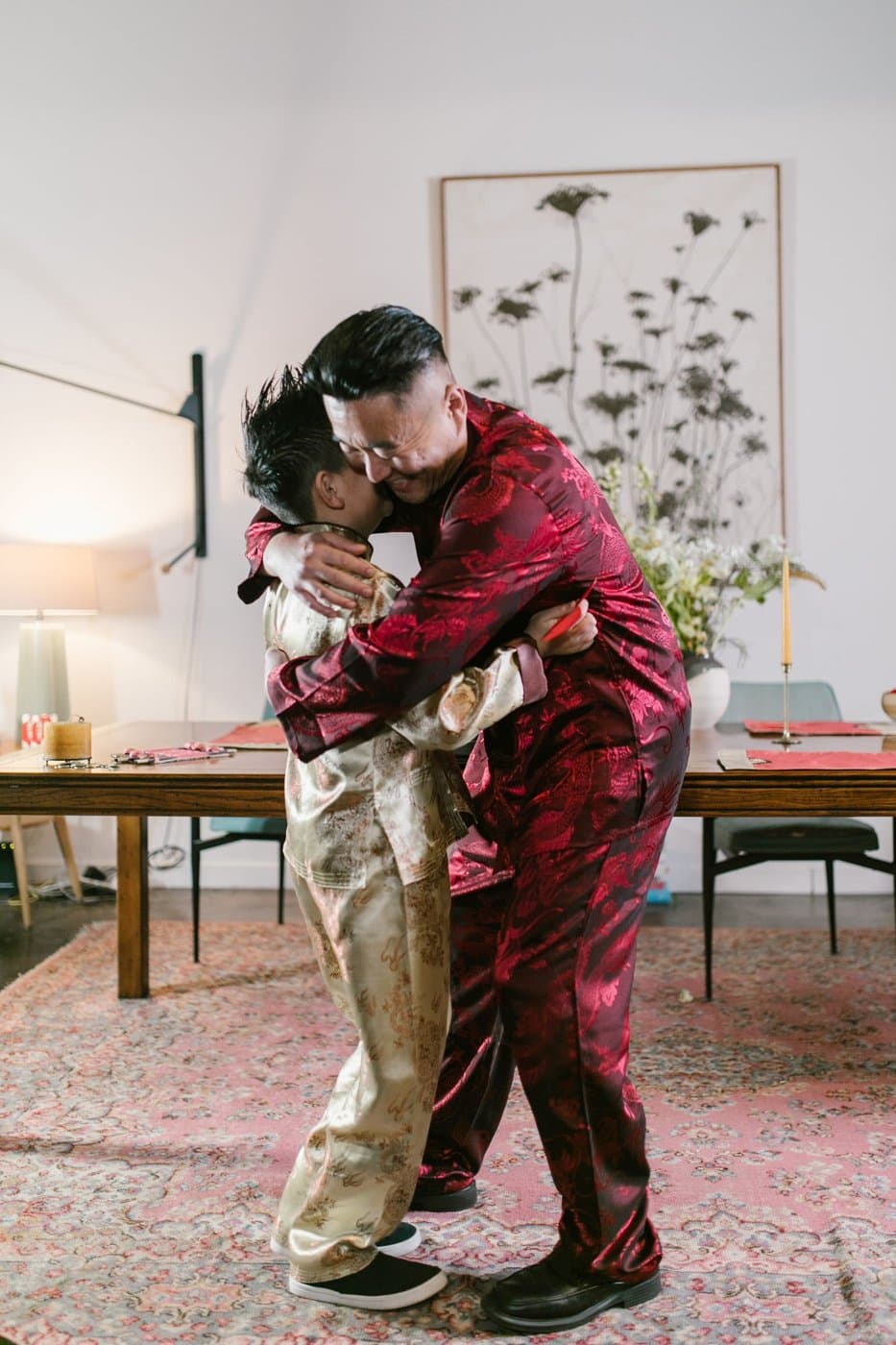
Raising Sons Who Talk About Feelings
Boys in many Asian families learn early to hide sadness, fear, and need. Fathers can change that pattern without making sons soft or ashamed, using modeling, side-by-side talks, and protection from relatives who mock sensitivity or call tears weakness.
Daniel Park
When elders move in
Dads are often expected to mediate between their parents and their partner. Read how fathers handle their own parents after a baby alongside the grandparent cost worksheet if "help" means someone is moving in.