
Culture & Identity series
When you and your grandparents don't share a language
You may love your grandmother deeply and still have almost no conversation beyond greetings. She speaks Korean. You speak English. Your parents translate in the background until you are twelve, then everyone acts like you should have caught up by osmosis.
That gap is not a character flaw. Pew Research Center data on language shift, gerontology studies on immigrant grandparent relationships, and even McDonald's 2024 Sweet Connections campaign (built around Gallup findings that more than 40% of Americans struggle to communicate with grandparents because of language) all point to the same truth: this is one of the most common diaspora heartbreaks, and almost nobody talks about it at dinner.
Language loss often looks polite from the outside. You smile at Lunar New Year. You accept fruit. You nod through stories you only half understand. Inside, you may feel like a guest in your own lineage. Parents who pushed English for school success sometimes feel guilt later; elders who never learned English can feel abandoned without meaning to accuse anyone. Naming the structure helps more than blaming whoever "should have taught you."
This shelf is for the adult who wants a closer relationship now, the parent watching a child and elder bond without sentences, and the person tired of inventing a cheerful answer when friends ask why the grandparents feel distant. Start with the shame and loneliness guide if you need language for yourself. Start with the bonding-without-shared-language guide if you need rituals that work this weekend. Use the recording and heritage-trip pieces when travel or time is running short.
If a child is already the family translator at clinics, read the language-broker guide before the next appointment. If elders live abroad, the long-distance care page matters more than another language app you will abandon. Closeness can be food, photos, music, and presence. Words help, but they are not the only bridge.
Why this series exists
We already publish guides on keeping heritage language alive at home and on relatives who shame kids for answering in English. This shelf is different. It is for the adult or teen who feels lonely at Grandma's table, the parent watching a child and elder love each other without sentences, and the person tired of making up a cheerful answer when American friends ask why they are not close to grandparents. Pair these pages with the bilingual phrase library when you want five usable lines tonight, not a fluency fantasy.
If you searched for…
“Grandma only speaks Korean I only speak English ashamed”
Read the guide →“Why not close to grandparents language barrier explain to friends”
Read the guide →“How to bond with grandparents when you don't speak same language”
Read the guide →“How to keep heritage language alive at home without guilt”
Read the guide →“Relatives shame child for only speaking English at dinner”
Read the guide →
Show all 11 scenarios
“Child translates for parents at doctor language broker”
Read the guide →“Record grandparents stories before they die language barrier”
Read the guide →“Visit home country don't speak language feel tourist”
Read the guide →“Child does not want heritage school / Chinese school fight”
Read the guide →“Is heritage weekend school worth it”
Read the guide →“Raise a bilingual child when parent isn't fluent”
Read the guide →
Guides in this series

When You Couldn't Really Talk to Your Grandparents (Language Barrier)
Grandma only spoke Korean. You only spoke English. The love was real; the conversation wasn't. Research, grief without guilt, and what that distance actually meant.
Leah Chen

Explaining Why You're Not That Close to Grandparents (Language Barrier)
"Are you close with your grandparents?" hits different when love lived in silence. Scripts for friends, partners, and coworkers without oversharing or self-erasure.
Leah Chen
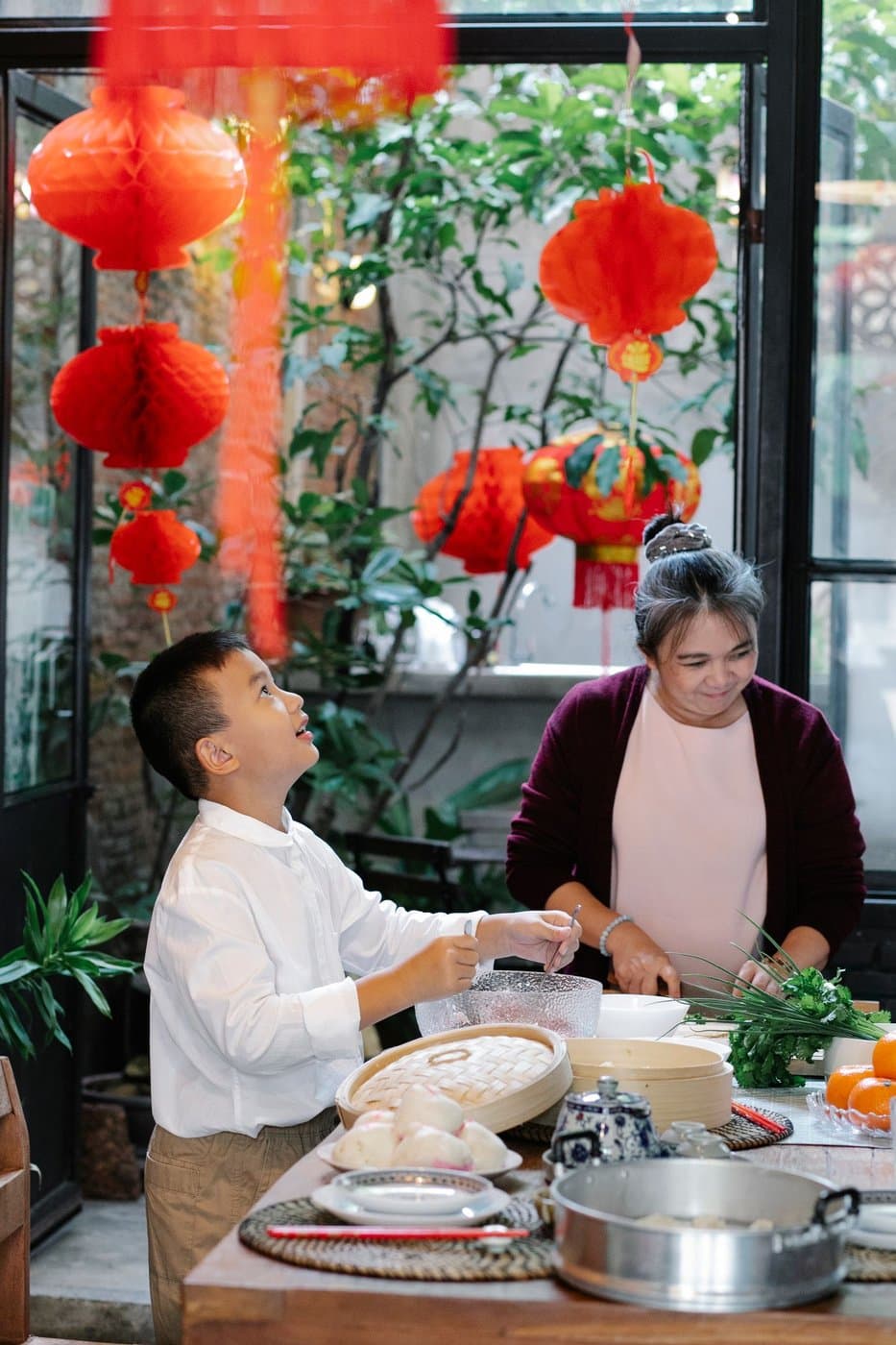
Staying Close to Grandparents When You Don't Share a Language
Food, photos, voice notes, and shared projects when fluent conversation is not on the table: practical rituals for closeness, backed by immigrant grandparent research.
Leah Chen

When You Become the Family Translator (Kids, Elders, Doctor's Office)
The only English speaker at the pediatrician, the bank, and Grandma's appointment: how to hold pride, name burden, and set boundaries when your mouth becomes family infrastructure.
Leah Chen

Recording Your Grandparent's Stories Before the Language Is Gone
A practical guide to voice memos, kitchen-table video, and family archives when elders speak Korean, Mandarin, Vietnamese, Tagalog, or Hindi and you answer mostly in English, including how to invite stories without pressing trauma they will not tell in any language.
Leah Chen
Visiting the "Home Country" When You Don't Speak the Language
The trip everyone said would feel like home: when you land fluent in culture but not words, cousins treat you like a guest, and you need a plan for belonging without fluency theater.
Leah Chen

How to Keep Language Alive at Home
Practical ideas for bilingual and heritage-language families without guilt, perfectionism, or treating fluency like the only proof of love.
Leah Chen

When Elders Say Your Child "Lost" the Heritage Language
"They only speak English now" at dinner, with guilt that sounds like love: how to respond when relatives shame bilingual kids without turning language into a battlefield.
Mina Han
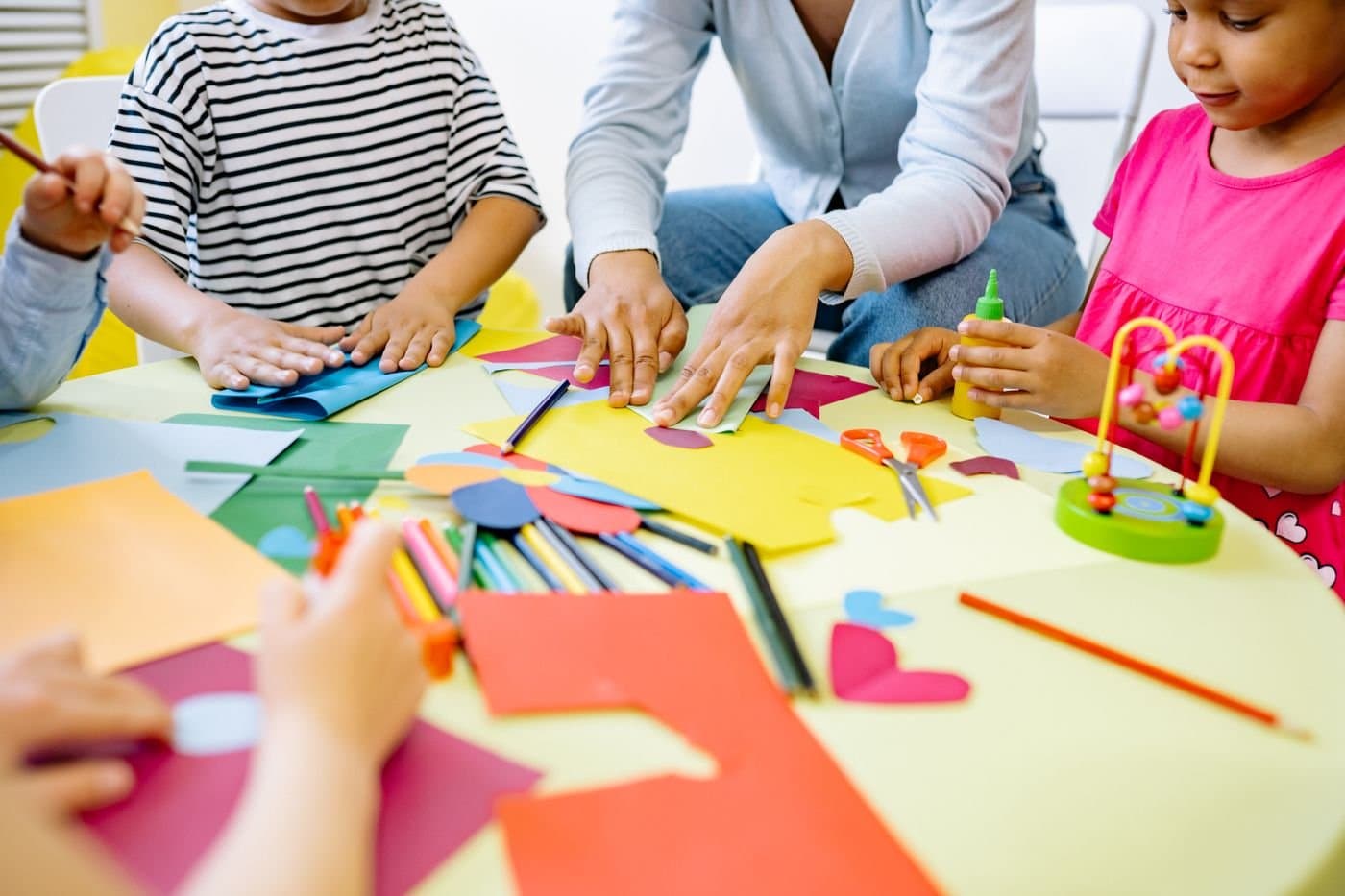
When Your Child Does Not Want to Go to Heritage School
Weekend language and culture classes matter to many families. So does a child's resistance. How to respond without shame or surrender.
Leah Chen

Is Heritage Weekend School Worth It?
What heritage weekend school is, what it costs in major metros, and how diaspora families decide whether Saturday language class fits your child's goals and your household's sleep.
Grace Liu
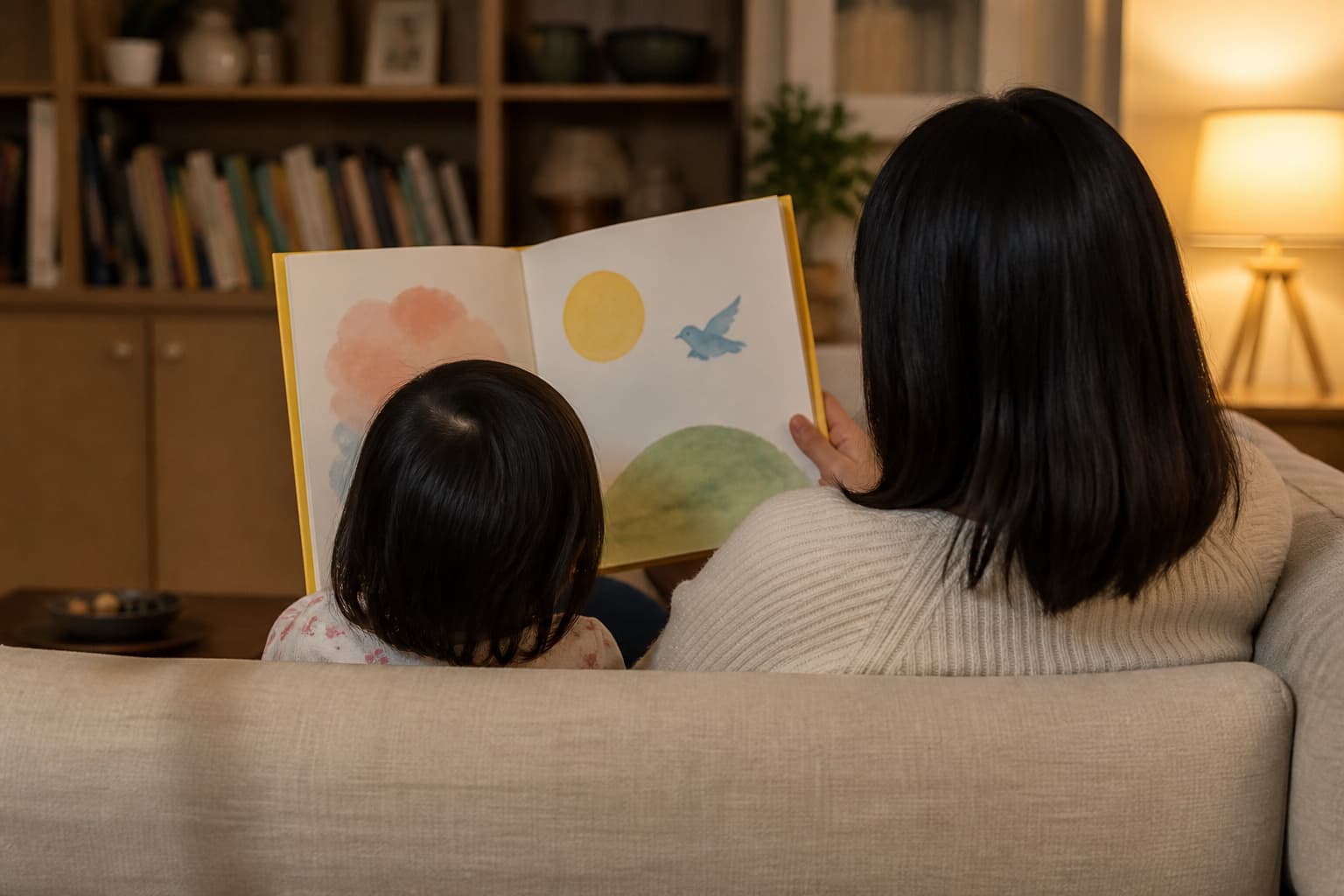
Raising a Bilingual Child When You Aren’t Fluent
You can raise a child with a heritage language even if your own speaking is rusty or mostly gone. Realistic goals, fluent voices you can borrow, and routines that survive a tired week.
Leah Chen
Also explore Modern Life for relatives who shame kids at dinner, and The Third Person in the Room when in-laws sit between you and your partner.