
How to Be the Fun Dad and the Useful Dad (Not Either/Or)
The house does not need a weekend clown and a weekday manager. It needs one dad who can wrestle on the rug and still know where the spare diapers live.
Many dads get cast as either the fun one or the reliable one. Research and real households say you can build both: quality play that teaches regulation, and real ownership of care that keeps your partner from carrying the whole mental load. This guide is the craft of combining them.
Daniel Park writes about fatherhood, co-parenting, and what it looks like when dads show up with more than logistics.
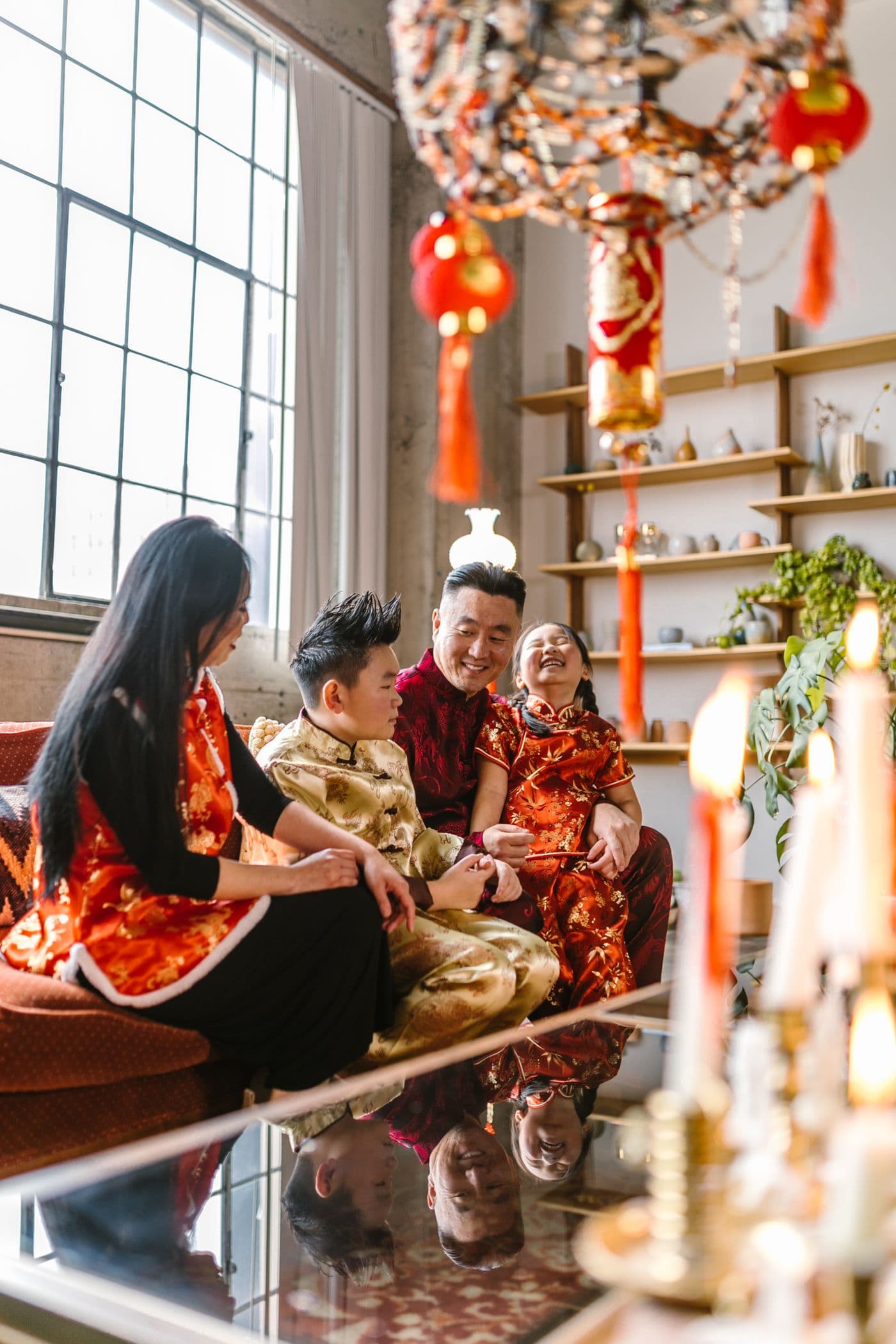
You do not have to pick a lane
"Am I the fun dad or the useful dad" is a search that usually arrives after a long week. You made the kids scream-laugh at the park, then walked into a kitchen where nobody knew dinner plans. Or you crushed bedtime logistics and felt like the boring parent who never gets the giggle.
Those are skills, not personality types. Fathering research has long treated play and caregiving as related but distinct forms of involvement, not a forced choice (see work building on Lamb and Pleck's engagement, accessibility, and responsibility frame, and Pleck's later emphasis on positive engagement plus process responsibility: noticing what needs doing without a prompt).
Kids want joy with you. Partners want the house to run when you are in it. You can train both.
Why play and usefulness belong together
Play is often where fathers shine first. Physical games, silly voices, backyard challenges: kids seek you out for that spark. Paquette's activation-relationship idea (Human Development, 2004) describes a common fathering pattern: excite, surprise, encourage exploration, and still set the safety line. That is useful emotional practice for kids, not only entertainment.
Caregiving is the other half. Diapers, school forms, doctor calls, knowing which aunt is allergic to shellfish: that is how a household stays kind under pressure. Sociologist Allison Daminger's work on cognitive labor (anticipating, deciding, monitoring) is a clean reminder that "helping when asked" is smaller than owning a domain end to end.
The either/or trap appears when fun stays in the living room and usefulness stays on your partner's phone calendar. The craft is stitching them: play that ends in a clean soft landing, and chores kids can join without turning every task into a lecture.
Fun that still lands the plane
Good dad play has an on-ramp and an off-ramp.
Before: clear the sharp toys, agree on the room, check energy (hungry kids make roughhousing mean).
During: let them win sometimes, watch faces, pause when laughter turns sharp. "Stop" means stop the first time.
After: water, hug, tidy the cushions together, move into the next calm thing (bath, snack, story). The soft landing is part of the game. It teaches regulation and keeps play from becoming the thing your partner dreads.
If elders in your family treat loud play as "spoiling," you can still keep the ritual. Short, joyful, then useful: "We wrestled. Now we wash hands and set the table." That sequence is culturally bilingual without a speech.
| Move | Fun version | Useful finish |
|---|---|---|
| Roughhousing | Pillow fort battles, airplane lifts, chase | Reset the room; cool-down song; water |
| Kitchen | Taste tests, silly chef hats, music | They stir; you plate; dishes started before screens |
| Outdoors | Park races, scooter loops, nature scavenger | Shoes by the door; snacks packed; wet clothes in wash |
| Bedtime | Joke of the day, silly voices in one book | Same order every night; lights down; you own the last check |
Adapt intensity for age, sensory needs, and household quiet hours.
Useful that still feels warm
Usefulness is not a mood. It is ownership.
Pick domains you fully run: weekday breakfasts, bath nights, pediatrician portal, Saturday grocery, school bag check. Your partner should not have to assign the playlist every time.
Inside those domains, keep warmth visible. Narrate kindly ("Eggs first, then shoes"). Invite the kid into the skill ("You pour the oats; I watch the stove"). Competence shared with a child is both bonding and labor relief.
Our postpartum usefulness guide goes deep on newborn weeks. This piece is the longer game: after leave ends, fun and logistics still share one calendar.
Rituals that do both jobs at once
Build a short list of double-duty habits and protect them like appointments.
Breakfast captain: you make food, they choose fruit, everyone sits five minutes without phones.
School walk or driveway chat: movement plus one question that is not about grades.
Bath-and-story night: you own water temperature, towels, pajamas, and the book. Fun lives in the story voices; usefulness lives in the setup.
Sunday reset hour: music on, kids sort toys into bins, you handle trash and meal prep. End with a park sprint or board game so the hour does not feel like punishment.
Father involvement at bedtime shows up in sleep research as a protective pattern when routines stay consistent and dads actually take a share (see reviews linking paternal bedtime involvement with fewer settling battles). Playful wind-down plus a predictable sequence is the combo.
Diaspora notes without turning it into a wound story
In many Asian and immigrant families, "good father" still leans provider, educator, and respectful son. Play can look optional. Caregiving can look like Mom's or Grandma's lane. You do not need to reject those values to expand them.
You can keep the provider pride and still be the dad who packs the bag. You can care about school and still wrestle. Hybrid fathering (provider plus hands-on care) shows up in contemporary Chinese and Asian American father research as a lived mix, not a betrayal of tradition.
When grandparents visit, brief them: "He is the bath parent tonight. Please let him finish." You are not asking permission to parent. You are reducing confusion so fun and usefulness can stay yours.
When the house still casts you as only one role
If you are typed as the fun dad, add one boring competence in public: handle the fever night, call the school, cook Tuesday without asking for the recipe mid-chop.
If you are typed as the useful dad, schedule visible delight: a weekly adventure block that is not a reward for finishing chores, but part of the weekly design.
If your partner struggles to share the "right way" to do tasks, agree on good-enough standards and a weekly debrief, not a live critique during every bath. Competence grows with reps. Gatekeeping (even well-meant) shrinks the reps.
Emotional presence still matters. Our guide on Asian dads learning emotional presence pairs here when play is easy but naming feelings is harder.
A simple weekly scoreboard (for you, not Instagram)
Sunday night, ask three questions. Where did I create joy on purpose? Which domain did I own without being managed? What soft landing did I practice after high energy?
If all three answers are blank, you are not failing. You are due for one small design change. Pick tomorrow's breakfast or tomorrow's wrestle-and-reset. Ship that, then build.
Questions dads actually type
Is roughhousing safe? Yes when you watch faces, protect heads and necks, stop at "stop," and end with calm. Quality and limits matter more than intensity.
What if my partner is better at the useful stuff? Borrow her systems once, then run them. Ask for a handoff, not lifelong supervision.
What if I work late most nights? Protect one double-duty block on a realistic night or weekend morning. Consistency beats daily heroics you cannot sustain.
Can grandparents be the fun ones instead? They can share joy. You still need your own play bond and your own logistics ownership. Kids notice who shows up for both.
Does this apply with daughters and sons? Yes. Activation, caregiving, and soft landings are not gendered gifts. Adjust the game, not the standard.