
Grandparent Care Deserves More Than "They're Doing It Wrong"
A November 2 study of 546 young children in rural China found comparable caregiver-child relationship scores for parents and grandparents, even as some parenting practices differed. A practice gap is not proof of a thinner bond, and left-behind rural households are not a stand-in for every diaspora kitchen.
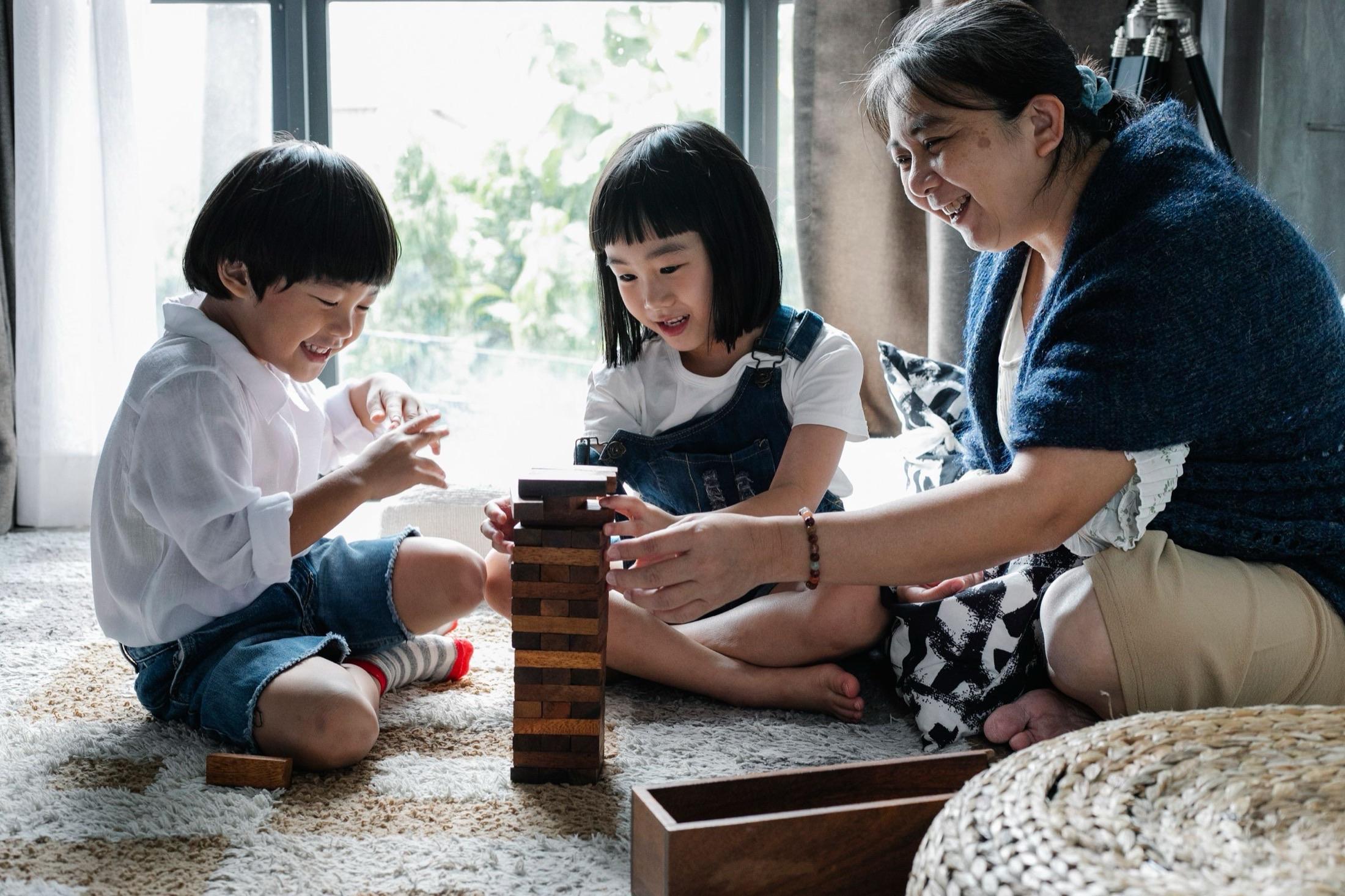
You catch yourself narrating the day your parents are watching the kids: too much screen, too much candy, not enough books, the wrong way to soothe a cry.
The fight is usually about technique. Underneath it sits a quieter charge: that the bond is thinner if the adult is not the parent.
A November 2 paper in Infant and Child Development tests that charge in one setting. Psychologist Yayun Wang of Henan University, Zhengkui Liu of the Chinese Academy of Sciences, and colleagues compared 546 Han Chinese children aged 0 to 3 in impoverished rural China: 237 cared for mainly by parents who stayed, and 309 by grandparents while parents had migrated for work.
Caregiver-child relationship scores did not differ in a meaningful way. Some parenting behaviors did. The developmental paths looked different too.
That split helps households that keep fighting the same fight about snacks and screens.
When grandparents do care differently, families often jump to "they love less." This study separates relationship quality from practice style in one rural Chinese setting, and it warns against treating migrant left-behind households as the template for every intergenerational home.
Relationship held. Practice did not look identical.
Wang and Liu's team asked a comparison many diaspora families make without data: do grandparents raise young children the same way parents do, and does the emotional bond look weaker?
In this rural sample, bond-quality scores showed no gap. Parent-child and grandparent-child relationship scores landed in the same range.
Some parenting behaviors still differed between the two caregiver groups. The paper does not flatten that into a "grandparents worse" scorecard. It treats practice and relationship as separate lanes.
You can still name a snack rule or a nap routine. You do not have to accuse someone of loving the child less to do it.
What predicted kids' skills depended on who was primary
The team then looked at how relationship and parenting scores lined up with five early-development domains.
Among children raised by parents who stayed, the parent-child relationship score predicted personal-social skills. Parental acceptance predicted personal-social and problem-solving skills.
Among children raised by grandparents after parent migration, grandparent acceptance predicted all five developmental domains. A punitive-behavior score also went with higher personal-social scores in that group.
Hold that second finding lightly. It is a correlation inside one rural left-behind sample, not permission for harsh discipline. Acceptance was the broad predictor across domains for grandparent-raised kids. The punitive link is narrow, group-specific, and easy to overread.
What travels is simpler: the same caregiver move did not carry the same weight once the household arrangement changed.
What travels from this sample, and what does not
These were young children in impoverished rural China. Nearly three in five were living through parent-child separation while adults worked elsewhere. That is a different machine from a Vancouver condo where grandma visits three days a week, or a Toronto duplex where three generations share the rent.
Keep the practice-versus-bond split. Leave the rest of the village behind.
If grandparents are primary this week, talk practices as practices: bedtime, food, screens, language, how you soothe. Write the house rules down once. Ask what acceptance looks like in their words: warmth, play, comfort after a fall.
If you are the parent who criticizes from the doorway, separate bond from method before you speak. Start with the concrete ask. "Can we keep candy for after dinner?" lands cleaner than a speech about who loves the child correctly.
And if relatives treat every rural China finding as proof that diaspora grandparents are always the weaker option, push back with the sample. This paper studied separated rural households. It did not study your in-laws' Tuesday pickup.
Pick one practice to settle this week. Say out loud that the bond is not on trial. Save "wrong" for safety, not for a different snack rhythm.