
Who Tells the Grandparents When a Child Is Seriously Ill?
A Swiss GROKids study finds grandparents of children with cancer get most of their information through the child's parents, with little direct contact from clinicians. That leaves parents translating the ward while managing their own fear and the child's care.
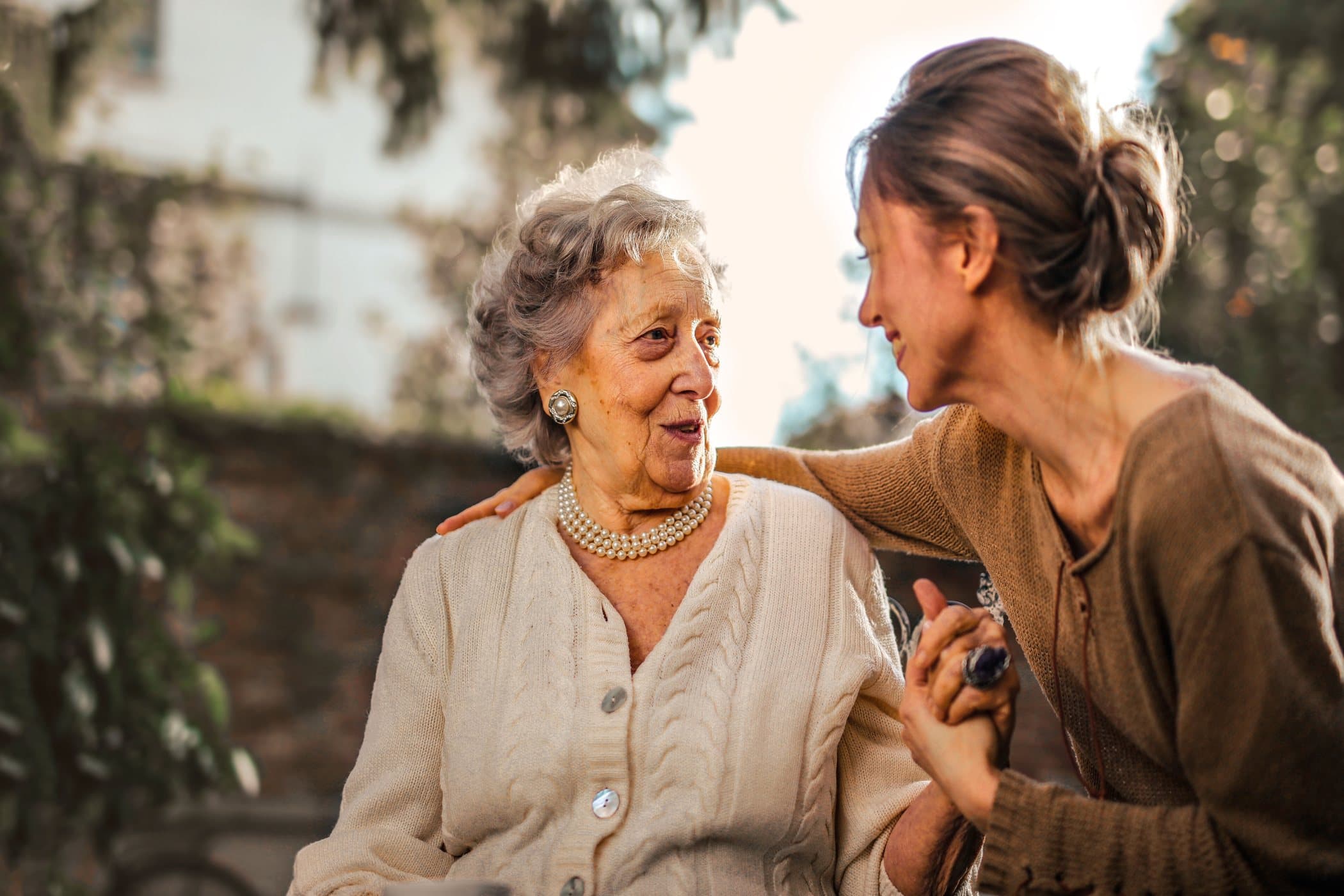
After the oncologist leaves the room, someone still has to call 奶奶.
A new multicenter study from the GROKids Project, published in Patient Education and Counseling, followed grandparents of children treated for cancer at eight Swiss pediatric oncology clinics. The numbers land on a familiar family job: parents as the switchboard.
Ninety percent of grandparents said parents were their most common information source. Sixty-seven percent preferred hearing from parents. Only 14 percent reported getting information directly from healthcare providers.
Families often want it that way. The catch is that the parent who just heard the scan results is the one who has to retell them, while still managing the child's care and their own fear.
When clinicians talk mainly to parents, grandparents stay informed only if a tired parent can still make the call. Name that second job, or it becomes invisible labor.
What grandparents said they heard, and what they missed
Anica Ilic and colleagues at the University of Lucerne surveyed 41 grandparents and interviewed 23. The average age was about 68.
Core medical updates were often available. Harder topics left bigger holes: nearly half reported unmet needs around relapse (48 percent), palliative care (47 percent), and late effects (45 percent).
Psychosocial information lagged further. About half wanted peer support they did not get (52 percent).
Forty-eight percent wanted more on support for the parents. Forty-four percent wanted more on support for the grandchild. Forty percent wanted more on their own support needs.
Those gaps did not shrink in a statistically clear way across the two years of follow-up. The information problem was not only a first-week panic.
Most grandparents said they preferred written material (63 percent). What they usually got was a conversation with their own child.
The extra shift parents are already working
Parents were the default source and the preferred one. Two-thirds of grandparents wanted it that way.
Privacy and family rhythm stay intact that way. The cost lands on the parent as a second clinic day: translate the doctor's language, decide what Mom can hear tonight, and keep the sibling's dinner on the table.
The study's qualitative work points to family dynamics and emotional readiness as the frame around every update. Grandparents wait for parents to be ready. Parents decide how much hope or fear to put in the sentence.
Meanwhile the parent is still the primary contact for nursing notes, school forms, and the child's questions at bedtime. The grandparent call is unpaid interpreting work layered on top of caregiving.
In diaspora households the job can get heavier. One parent may be translating medical English into Mandarin or Korean for elders overseas, then absorbing the panic that comes back on WhatsApp before the next infusion.
What clinics and families can change without rewriting privacy law
Hospitals do not need to put every grandparent on the care team. Direct clinician contact stayed rare for a reason: consent, privacy, and the child's parents as legal decision-makers.
The study still asks for better tools for the people who already carry the news.
Written explainers grandparents can keep. Clear pointers to psychosocial support for the whole family, including the elders. Timing that respects when a parent can talk without collapsing.
If you are the parent in the middle, ask the team for one page you are allowed to forward, and for the name of a social worker grandparents can call with non-medical questions.
If you are the grandparent, ask your child when a good window is, and what they want you to do besides listen.
The paper's title borrows a grandparent's line: the information has never been exactly what they were looking for. Parents already know why. They are writing it while they are living it.