
If Kids Can't Call, Who Calls You?
Mexico's classroom phone restrictions took effect November 3. Parents in violence-hit states told AP they still need a way to reach their kids. The live question is what the school will do when students cannot dial out.
On October 22 in Escuinapa, Sinaloa, a motorcycle attacker fired on a bus carrying more than a dozen high school students. One teenager on the floor asked another whether anyone had cellphone credit.
A mother who lives there heard the news and called her teenage daughter, who had left early with an aunt.
"Just hearing my daughter's voice and knowing she was OK calmed me down," she told the Associated Press. She asked to stay anonymous. She also said she did not hesitate to interrupt class to check.
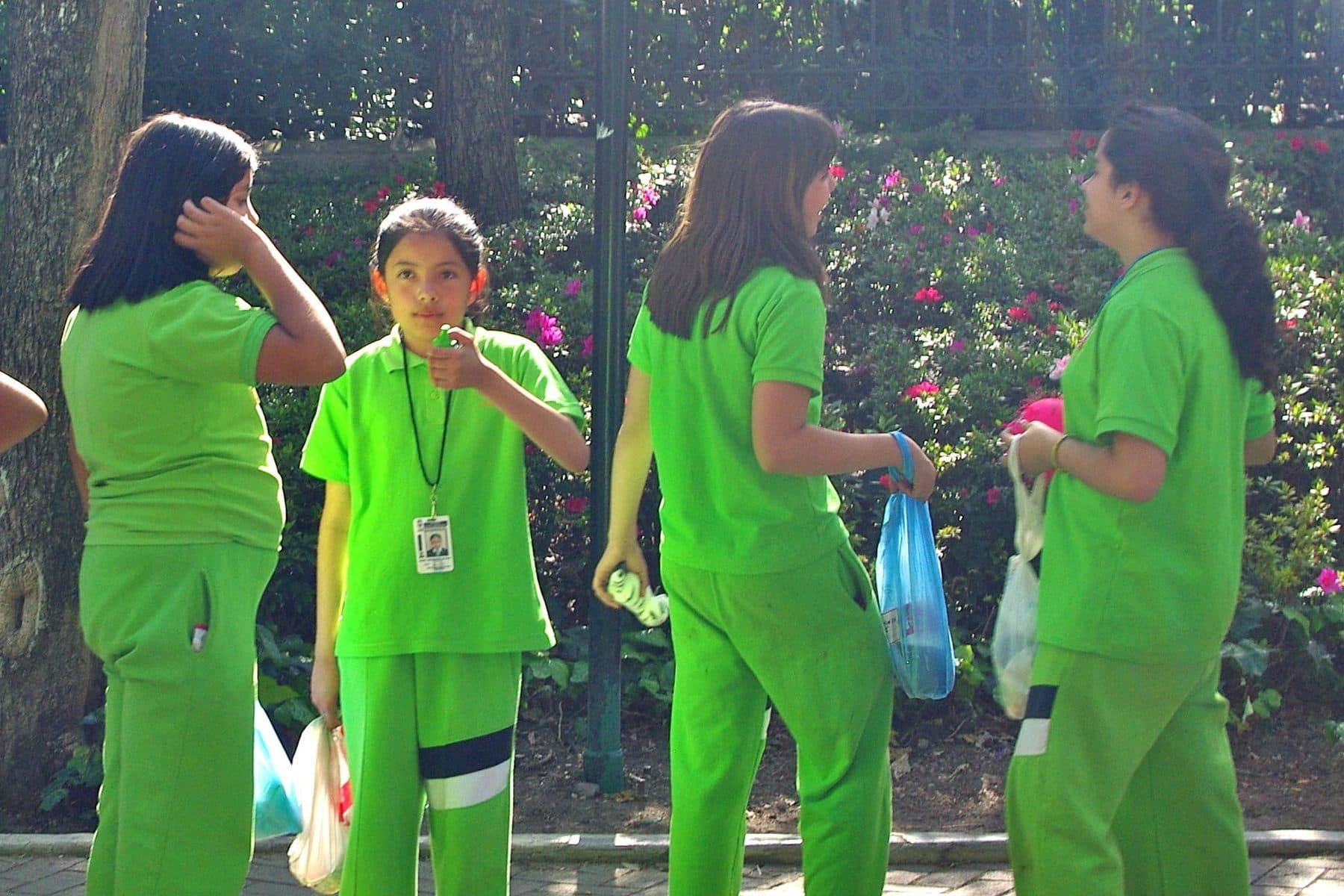
A lot of parents carried that same need into Tuesday, November 3, when Mexico began restricting student phone use in elementary and secondary schools.
Education officials say the change will help attention and mental health. Plenty of parents are asking something simpler: if my child cannot dial me, who dials me?
A phone rule is only half a safety plan. The other half is knowing who calls you, from which number, and what happens if that line fails.
What the rule allows, and what it leaves blank
Phones are not banned from campus. The SEP agreement restricts student use during the school day in inicial, preschool, primaria, and secundaria, including recess.
Kids can still bring a phone in a backpack. A teacher can allow one for a planned lesson. There are also exceptions for personal emergencies, health needs, disability, accessibility, inclusion, and what the text calls extraordinary needs of a school community.
The basic-education handbook is clearer on the first step than on the follow-through. If a student needs help, find a teacher so the school can call home.
SEP Secretary Mario Delgado says the change will help protect attention, friendship, and mental health across a system of about 34.1 million students.
What the national text does not spell out is the call tree: who dials which parent when a building shelters, or when the school landline fails. That stays with each plantel.
The parents who want the line open
In Reynosa, Tamaulipas, father Benigno Gómez told AP he understood the push to cut phone time. He still found it "a little difficult" that students were not allowed to keep a phone for a potential risk.
The Escuinapa mother who reached her daughter after the bus attack put it more simply. Safety comes first, she said, and she doubted full compliance where violence feels close.
AP also cited REDIM, a children's rights coalition: in the first half of 2026, one in ten Mexicans ages 0 to 17 were victims of crimes involving organized crime.
Most school days are ordinary. For some households, that number is still enough to keep a phone in the bag.
In Culiacán, a few schools are already improvising. Víctor Manuel Aispuro, director of Escuela Primaria Estatal Sócrates, told UnoTV that many parents want kids to bring phones for communication. His school asks for academic use only, or phones off or silent in backpacks.
Nearby gunfire or helicopters had forced sheltering at least twice, he said. Teachers keep WhatsApp groups with families for those days.
On day one in Mexico City, Angélica Monroy told El País she wants her sixth grader to carry a phone in case of an earthquake.
Israel Parra took the other side: trust the school. They have your contacts. They know what to do.
Both answers only work if the school can actually complete the call.
Five questions before you settle the backpack
If your child cannot dial you freely, the emergency plan has to live somewhere else. Publimetro's read of the SEP agreement is useful here: exceptions exist, but the national text does not name the channel, the responsible adult, or the backup when the main line fails.
Before you accept "we'll call you," ask for five plain answers.
What is the school's official number during the full day, and does anyone pick it up at recess?
What is the backup if that line is busy or dead: a second number, a WhatsApp broadcast, a radio, or a named staff phone?
Who is assigned to notify families in a medical emergency, a shelter-in-place, or a neighborhood security scare?
Are your contacts, alternate pickups, and medical notes current this week, not last August?
Where do students reunite, and how does the school check who can take a child home?
Aguascalientes already wrote a local rule that privileges the school landline in emergencies and, with staff knowledge, allows a justified student cellphone call. That is one model. It still assumes the landline works and someone can dial fifty families at once.
You can argue about whether the phone belongs in the classroom. First get the school's answer in writing for the day the phone stays put.