
School Phone Bans May Add a Week or Two of Learning a Year
Harvard, Dartmouth, and NWEA researchers tracking 3.3 million students found that strict in-school phone storage was followed by a small rise in math and reading growth, about one to two weeks of instruction a year. The study covers phones during the school day. It does not settle how families should handle screens at home.
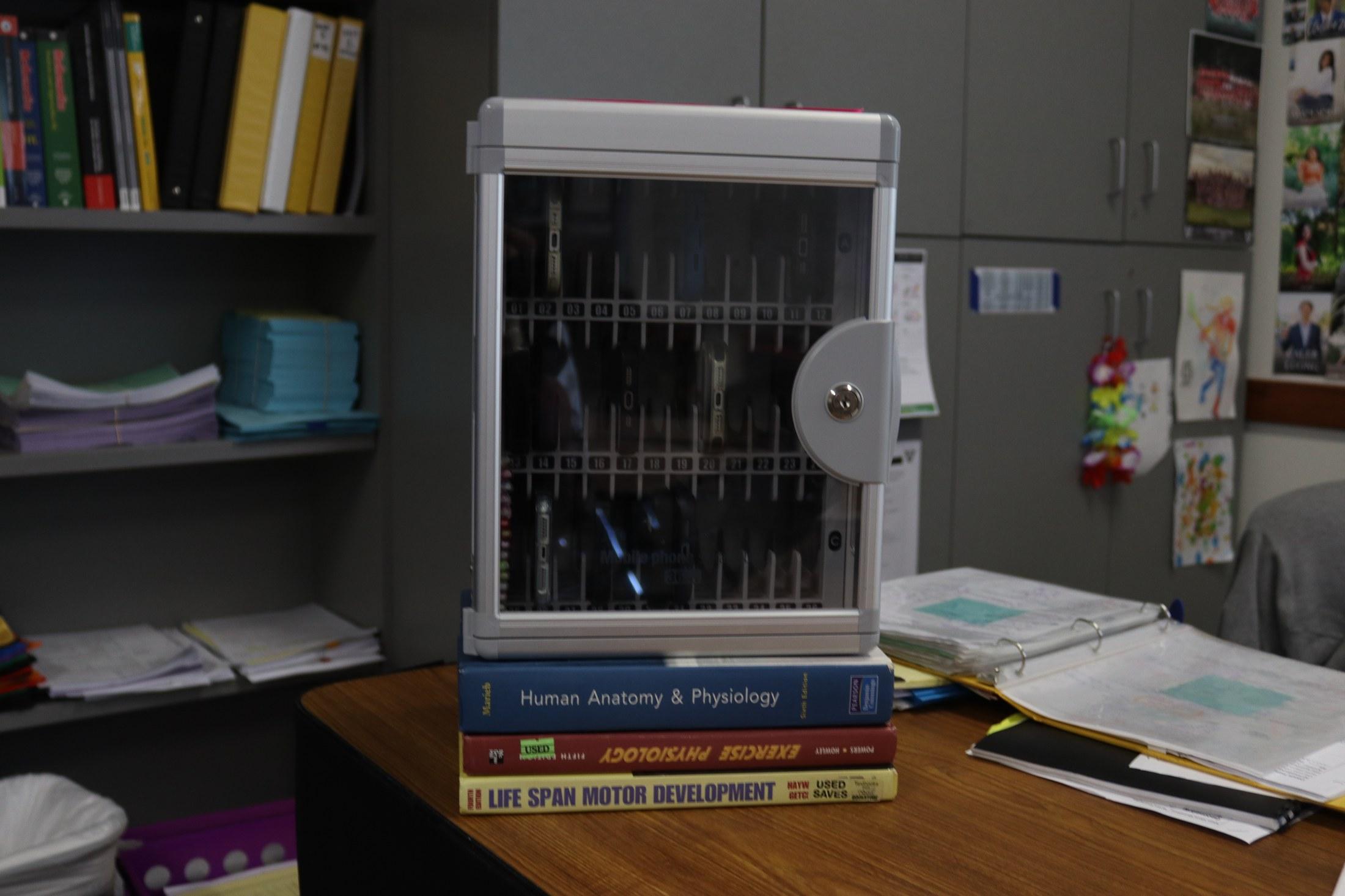
When a school locks phones away for the day, test scores move a little.
A November 2026 report from Harvard’s Center for Education Policy Research, with partners at Dartmouth and NWEA, looked at strict bans that store phones in lockable pouches. Those schools later showed about 0.01 standard deviations more growth in math and reading each year.
The authors call that roughly one to two weeks of extra instructional time. The annual bump is modest. They say small gains can stack, the way the slow post-2013 achievement slide did.
Keeping phones out of reach during class tracks with a small, measurable learning gain. That finding stays inside the school day. It does not prove every home screen is harmful.
What the study measured
The team followed fall-to-spring MAP Growth scores for millions of students in grades 3 through 10. The main comparison was schools that began using Yondr-style lockable pouches between 2022–23 and 2025–26, set against matched schools that did not.
After pouches arrived, average growth rose by about 0.01 standard deviations a year in both math and reading. Gains showed up in the first year and were still visible later, though few schools had three or four years of data yet.
Phone use inside schools fell too. Administrative measures of handsets on site dropped about 20% after adoption. Staff surveys reported less classroom misuse under pouch rules than under looser bans.
The researchers also looked at statewide bans in 2025–26. Point estimates went the same direction, but those states were already on different achievement trends, so the authors treat those numbers cautiously.
How big is a week or two of learning?
By tutoring standards, 0.01 standard deviations is small. Thomas Kane, the Harvard education economist who co-led the work, says as much in a Harvard Gazette interview.
The figure matters next to the slow leak after smartphones spread. From about 2013, U.S. eighth-grade math and reading achievement drifted down by roughly 0.01 to 0.02 standard deviations a year. Over a decade, that became nearly a grade equivalent.
A pouch ban restoring about half of that annual drip is a partial offset, not a full repair. Douglas Staiger of Dartmouth called it a cost-effective way to add one to two weeks of instruction each year if the growth boost keeps showing up.
The study did not find that lower-scoring students gained more from their starting points than higher-scoring peers. It did find fewer students taking large reading losses in a given year when phones were stored. Kane’s view is that some distractible kids may be less likely to have a bad reading year when the phone stays out of the backpack.
What the results leave open
This was not a randomized trial. Schools that buy pouches may change other habits too. The authors matched comparison schools and checked pre-trends, which helps, but the work is still observational, released as a research report rather than a finished journal article.
It also does not measure Chromebooks, classroom projectors, homework laptops, or weekend TikTok. The treatment is strict phone restriction during the school day, mostly through lockable storage.
A separate line of Yondr research, covered by Fortune and NPR and linked to Stanford’s Tom Dee, has looked less encouraging in places, with mixed school-level score patterns. Different samples and methods can disagree. The Harvard-NWEA student-level estimate is one strong data point, not the last word.
The rise of smartphones after 2013 and the fall in scores moved together. That timing alone does not prove phones caused the whole decline.
Kane has said accountability changes were once his preferred U.S. explanation. The international pattern pushed the team to study phones more carefully.
What this means for house rules
A school-day pouch policy speaks to distraction during class. It is thin evidence for a house rule that treats every screen as a learning threat.
Kane notes that out-of-school use, especially late-night social media, may matter more for some lower-scoring students. An in-school ban cannot clear last night’s scroll from a kid’s head. The paper also skips a minute-by-minute plan for phones after dinner.
If your child’s school stores phones, ask how staff enforce it and what happens when a teacher is soft. At home, keep homework focus separate from leisure screens. A Saturday movie is not the same as a buzzing pocket during algebra.
For diaspora households juggling tutoring, heritage school, and group chats with relatives abroad, the phone is often a logistics tool as much as a distraction. Keep emergency and family contact paths clear.
Take the school’s point about constant access during focused work. Decide bedtime, bedrooms, and homework with evidence that speaks to those hours, not with a single school-day finding stretched over the whole week.